Servo Indexer: How Precision Motion Control Is Changing Modern Automation
29 Oct, 2026
9 Views 0 Like(s)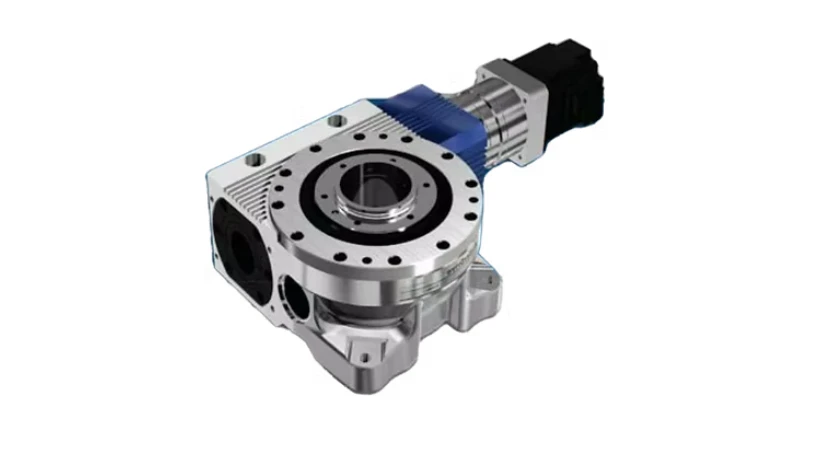
The servo indexer has moved from a specialist component to a standard tool in automation. It gives you flexibility that cams cannot offer, accuracy that open-loop systems cannot match, and data that helps you keep the line running.
Walk through any assembly plant today and you will notice something. The machines that used to rattle, clunk and stop at fixed positions are being replaced by units that glide, pause and move again with almost no fuss. A big reason for that shift is the servo indexer. If you run a production line, design machinery, or simply want to understand what keeps a rotary table landing in the right spot ten thousand times a day, this guide is for you.
What Is a Servo Indexer?
A servo indexer is a motion device that rotates or moves a load to a set position, holds it there, and then moves it again to the next position. Think of a rotary table on an assembly machine. One station drills, the next one inserts a part, the next inspects. The table has to turn by an exact angle, stop dead, and wait while the work happens. That start-stop-wait cycle is called indexing, and the servo indexer is what performs it.
Older indexers relied on mechanical cams, Geneva drives or pneumatic cylinders. They did the job, but they were locked into one motion profile. Changing the stop angle meant swapping hardware. A servo indexer replaces that fixed behaviour with a programmable one. You change a number in software, and the motion changes.
How a Servo Driven Indexer Actually Works
A Servo Driven Indexer combines three main parts: a servo motor, a drive or controller, and a mechanical output such as a gearbox, a cam unit or a rotary table.
The servo motor carries an encoder that constantly reports its exact position. The drive reads that feedback, compares it with the target position, and adjusts the current going into the motor thousands of times per second. If the table is even slightly off, the drive corrects it right away. This closed-loop behaviour is what separates a servo system from a basic stepper or an induction motor with a brake.
The mechanical side then multiplies torque and reduces speed. A planetary gearbox or a precision cam reducer sits between the motor and the table, so a small motor can move a heavy plate without losing accuracy.
The result is a machine that can accelerate smoothly, cruise, decelerate gently and stop within a few arc-seconds of where you asked it to. Gentle deceleration matters more than most people think. A harsh stop sends vibration through the fixture, and that vibration shakes parts loose, wears bearings and slows the cycle because the machine has to wait for things to settle.
The Role of the Servo Indexing Drive
People often focus on the motor and forget that the Servo Indexing Drive is where the intelligence lives. The drive is the brain that turns a command like “move 60 degrees in 0.4 seconds” into actual motion.
A good Servo Indexing Drive does several jobs at once. It generates the motion profile, which is the shape of the speed curve from start to finish. It runs the position, speed and current loops that keep the motor on track. It watches for faults such as overload, overheating or encoder loss. And it talks to the rest of the machine through fieldbus networks or simple digital inputs and outputs.
Many drives built for indexing include ready-made indexing functions. You enter the number of stations, the dwell time and the move time, and the drive handles the rest. That saves engineers from writing motion code from scratch and cuts commissioning time from days to hours.
Profile choice is worth a mention. A trapezoidal profile is simple but jerky at the corners. An S-curve profile rounds those corners and reduces shock. Modified sine and cycloidal profiles go further, trading a slightly longer move for a very smooth one. With a programmable drive you can test each and pick the one that suits your product.
Why Manufacturers Are Switching to Servo Indexers
Flexibility. One machine can handle several products. Change the recipe, and the indexer changes its station count, speed and dwell. There is no need to stop the line and swap cams.
Speed with control. Because acceleration and deceleration are tuned in software, you can squeeze out faster cycles without hurting parts. Short dwell times and quick moves become realistic.
Accuracy and repeatability. Closed-loop feedback keeps positioning tight, shift after shift. That matters in electronics assembly, medical device manufacturing and packaging, where small errors become rejected parts.
Lower maintenance. Fewer mechanical wear parts mean fewer breakdowns. There are no cam followers to replace on a schedule and no air leaks to chase.
Better data. A servo drive knows its own torque, temperature and position error. That information can warn you about a worn bearing or a jammed fixture before it stops production.
Where Servo Indexers Are Used
You will find them almost everywhere that parts must be moved in precise steps:
-
Rotary assembly machines for small components
-
Packaging lines that fill, cap and label containers
-
Pharmaceutical and medical device handling
-
Machining and drilling stations that need accurate part orientation
-
Inspection systems with cameras that need a still target
-
Electronics and PCB handling equipment
-
Food processing and bottling equipment
In each case the pattern is the same: move, stop, work, repeat. The faster and cleaner that cycle runs, the more output the line produces.
How to Choose the Right Servo Indexer
Picking a unit is not only about the biggest motor. Here are the points that matter most.
Load inertia. This is the one people underestimate. A large, heavy table with tooling on it resists acceleration. Calculate the total inertia and compare it with the motor’s rotor inertia. A reasonable inertia ratio keeps the system stable and responsive.
Required torque. Add up the torque needed for acceleration, friction and any process forces such as pressing or drilling. Leave a safety margin.
Positioning accuracy. Decide how tight the stop has to be. A pick-and-place table and an optical inspection table have very different needs.
Cycle time. Work backwards from your output target. How many indexes per minute do you need, and how long does each station need to dwell?
Communication and integration. Check that the drive works with your PLC or controller, whether through EtherCAT, PROFINET, Modbus or plain I/O.
Environment. Dust, washdown, heat and vibration all affect which housing, sealing and cooling you need.
Support. A good supplier helps with sizing, setup and troubleshooting. This is where the brand behind the product counts.
Common Mistakes to Avoid
A few errors show up again and again. Undersizing the motor because the peak torque looked fine on paper but the RMS torque over a full cycle did not. Ignoring backlash in the gearbox, which leads to hunting at standstill. Using an aggressive motion profile that makes the table shake the parts off the fixture. Skipping proper tuning and leaving the drive on default gains. And forgetting to plan for cable length and shielding, which can bring noise into the encoder signal.
None of these is hard to fix, but they are easier to prevent at the design stage than to chase on the shop floor.
Deceler and Precision Indexing
Deceler works in the space where smooth, accurate motion matters most. The idea behind the name says it plainly: controlled deceleration is what makes a stop clean, and a clean stop is what makes an indexing cycle fast and reliable. By focusing on well-matched servo indexer solutions, Deceler helps machine builders and plant engineers get dependable positioning without over-engineering the system.
Whether you are building a new rotary assembly machine or upgrading an old cam-driven table, working with a team that understands motion profiles, inertia matching and drive tuning saves time and avoids expensive trial and error.
Final Thoughts
The servo indexer has moved from a specialist component to a standard tool in automation. It gives you flexibility that cams cannot offer, accuracy that open-loop systems cannot match, and data that helps you keep the line running. A well-chosen Servo Driven Indexer paired with a capable Servo Indexing Drive turns a stop-and-go process into a smooth, programmable and repeatable one.
If you are planning a new machine or looking at a retrofit, start with your load, your cycle time and your accuracy target. Get those right, and the rest of the selection becomes much easier.
Frequently Asked Questions
1. What is a servo indexer used for?
A servo indexer moves a load, usually a rotary table or conveyor, to exact positions in a repeating cycle. It is used in assembly, packaging, inspection, machining and any process where parts must stop precisely at each station.
2. How is a servo indexer different from a cam indexer?
A cam indexer has a fixed motion profile set by the shape of the cam. A servo indexer uses a motor, feedback and a drive, so the motion can be changed through software. That means faster changeovers and easier tuning.
3. What does a Servo Indexing Drive do?
It controls the servo motor. It creates the motion profile, runs the feedback loops for position and speed, protects the system from faults, and communicates with the machine controller.
4. Can a Servo Driven Indexer handle heavy loads?
Yes, as long as it is sized correctly. The gearbox ratio, motor torque and inertia match need to suit the load. Heavy tables usually call for a higher gear ratio and a properly rated output bearing.
5. How do I choose the right servo indexer for my machine?
Start with the load inertia, required torque, positioning accuracy and target cycle time. Then check controller compatibility and operating environment. If you are unsure, ask the supplier, such as Deceler, to review your numbers before you buy.


Comments
Login to Comment