Buttock Augmentation Consultation: Questions to Ask
29 Oct, 2026
6 Views 0 Like(s)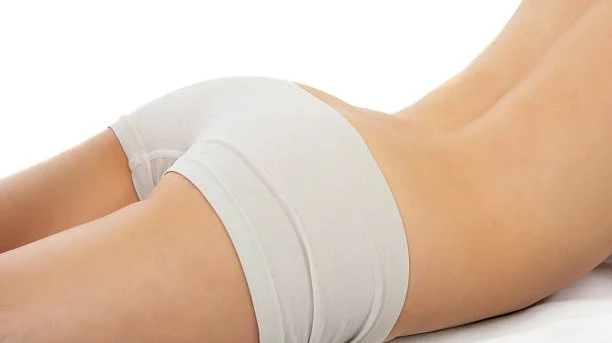
Choosing a cosmetic procedure is a personal decision that deserves careful thought, clear information, and realistic expectations.
A buttock augmentation consultation is an opportunity to discuss your body goals, understand the available techniques, and learn about potential risks before deciding whether treatment is right for you. Knowing what to ask during your appointment can help you feel more confident and prepared.
When exploring Methods for buttock augmentation in Riyadh, it is important to understand how each approach works, what results may be possible, and which option suits your individual needs. Some people prefer surgical procedures for more noticeable changes, while others may consider Non-surgical buttock augmentation in Riyadh(تكبير المؤخرة بالاكل) for a different treatment approach. A qualified medical professional can explain the differences and help you understand the benefits and limitations of each option.
Why Is a Buttock Augmentation Consultation Important?
A consultation allows you to discuss your desired shape, volume, and overall body proportions with a qualified practitioner. Rather than choosing a procedure based only on photographs or online trends, you can receive an assessment based on your anatomy, medical history, skin condition, and personal goals.
It is also an opportunity to discuss your expectations openly. Buttock augmentation cannot guarantee a particular appearance, and individual results vary according to the technique used, healing process, and existing body structure. A thorough consultation helps you make an informed decision without feeling pressured to proceed.
Essential Questions to Ask During Your Consultation
Which Buttock Augmentation Method Is Suitable for Me?
Ask which treatment options may be appropriate for your body and why. Depending on your goals and medical suitability, options may include fat transfer, implants, or selected non-surgical treatments. Each method differs in its approach, recovery requirements, potential results, and risks.
Your practitioner should explain the advantages and limitations of the recommended option rather than suggesting that one technique is suitable for everyone. This discussion can help you compare treatments and choose an approach that aligns with your expectations.
What Results Can I Realistically Expect?
Discuss the type of change you hope to achieve, whether it involves improved contour, increased fullness, or better body proportions. Ask how much improvement may be realistic for your anatomy and whether additional treatment could be necessary.
You can also ask to see appropriate before-and-after photographs of previous patients, with their consent. Remember that photographs illustrate individual outcomes rather than guarantee the same results for another person.
What Are the Possible Risks and Complications?
Every cosmetic procedure carries potential risks. Ask about complications associated with the recommended technique, including infection, bleeding, asymmetry, changes in sensation, scarring, or problems related to implants or injected materials where applicable.
For fat-transfer procedures, ask about fat absorption, contour irregularities, and the specific safety measures used during treatment. Make sure you understand how complications are managed and when you should seek medical attention after the procedure.
Understanding Recovery and Aftercare
How Long Will Recovery Take?
Recovery varies depending on the procedure, your general health, and how your body heals. Ask when you may return to work, exercise, driving, and normal daily activities. You should also discuss any restrictions on sitting, sleeping positions, or physical activity that apply to your chosen treatment.
Understanding the recovery process beforehand helps you plan time away from work and arrange assistance at home if needed.
What Aftercare Will I Need?
Ask whether compression garments, follow-up appointments, wound care, or activity restrictions will be necessary. If fat transfer or implants are being considered, request specific guidance on protecting the treated area during healing.
Following professional aftercare instructions is important for reducing avoidable complications and supporting recovery. You should also know whom to contact if you experience unusual swelling, worsening pain, fever, or other concerning symptoms.
How Can I Evaluate the Clinic and Practitioner?
Before proceeding, ask about the practitioner's qualifications, experience with your selected procedure, and the facility where treatment will take place. For surgery, confirm that the setting is appropriately equipped and that qualified anesthesia and emergency support are available when required.
You should also ask how follow-up care is arranged and what happens if your recovery does not progress as expected. A responsible clinic will explain the treatment process clearly, answer your questions, and give you enough time to consider your decision.
Frequently Asked Questions
What should I bring to a buttock augmentation consultation?
Bring a list of your questions, details of your medical history, current medications, and information about previous surgeries or cosmetic treatments. Reference photographs may help you explain your aesthetic goals, although your anatomy will influence what is achievable.
Is buttock augmentation suitable for everyone?
No. Suitability depends on factors such as general health, medical history, body composition, skin condition, and treatment expectations. A professional assessment is necessary to determine whether a particular procedure is appropriate.
Are surgical and non-surgical buttock augmentation the same?
No. Surgical procedures, such as implants or fat transfer, involve different techniques and recovery requirements from non-surgical treatments. The expected results, limitations, and risks also vary depending on the method and materials used.
How long do buttock augmentation results last?
Longevity depends on the procedure. Implants may require monitoring or replacement, while some transferred fat may be reabsorbed by the body. Results from non-surgical treatments vary according to the treatment used and may require maintenance.
When can I return to normal activities after buttock augmentation?
The timeline depends on the procedure and your individual healing progress. Your practitioner should provide personalized instructions about work, exercise, sitting, and other activities, along with guidance on when it is safe to resume them.
Book Your Consultation at Enfield Royal Clinic
If you are considering Methods for buttock augmentation in Riyadh, arranging a consultation is a helpful first step toward understanding your options. At Enfield Royal Clinic(عيادة إنفيلد الملكية), you can discuss your aesthetic goals, ask important questions, and learn about suitable treatment approaches, expected recovery, and safety considerations. Take the time to make an informed decision that prioritizes your health, comfort, and realistic expectations.


Comments
Login to Comment