Is HIFU Treatment a non-surgical procedure?
29 Oct, 2026
6 Views 0 Like(s)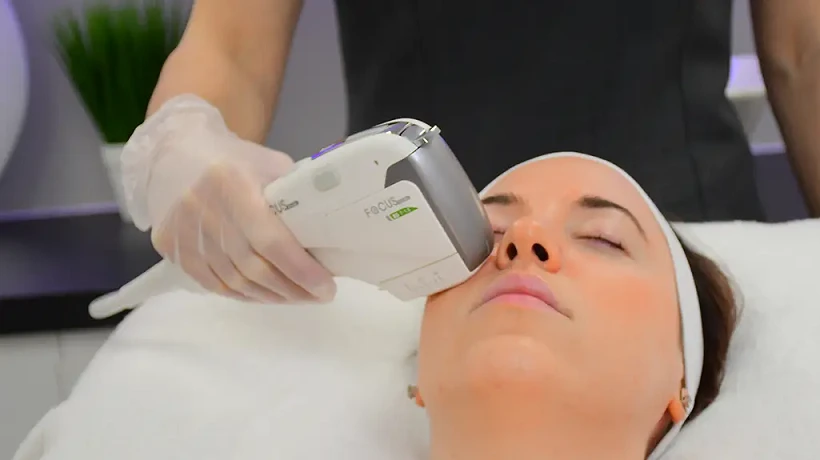
HIFU Treatment is a non-surgical procedure that uses focused ultrasound energy to stimulate collagen, improve skin firmness, and address mild skin laxity.
Yes, HIFU Treatment is a non-surgical procedure that uses focused ultrasound energy to improve the appearance of mild skin laxity and support skin firmness without surgical incisions. HIFU stands for High-Intensity Focused Ultrasound and is commonly used for selected skin-tightening and facial-contouring concerns. People interested in علاج الـهايفو في دبي can learn about its potential benefits, treatment process, and suitability through a consultation with a qualified professional. Although HIFU does not involve conventional surgery, it can still cause side effects and requires appropriate assessment, equipment, and treatment technique.
What Makes HIFU Treatment Non-Surgical?
HIFU is considered non-surgical because the procedure delivers focused ultrasound energy from outside the body rather than using surgical incisions or removing tissue through an operation.
The ultrasound energy reaches selected tissue layers beneath the skin, producing controlled heating. This may stimulate collagen remodelling and help improve the appearance of mild skin laxity over time.
Unlike a surgical facelift, HIFU generally does not require stitches, an operating theatre, or the recovery associated with an operation. However, the treatment's effects are usually more limited than those of surgery, particularly when significant excess skin is present.
How Does Non-Surgical HIFU Treatment Work?
The procedure typically begins with an assessment of the patient's skin, medical history, and aesthetic goals. The practitioner determines whether HIFU is appropriate and identifies the areas to be treated.
During the session, a handheld device delivers focused ultrasound energy to selected depths beneath the skin. Patients may experience warmth, tingling, pressure, or brief discomfort as the energy is delivered.
The treatment aims to stimulate tissue responses that may support collagen remodelling. Improvements usually develop gradually over several weeks or months rather than appearing fully immediately after the session.
The duration of the appointment depends on the treatment area, device, and individual plan.
Which Concerns Can HIFU Treatment Address?
HIFU may be considered for selected aesthetic concerns involving mild skin laxity.
Mild Sagging Around the Jawline:
HIFU may help improve the appearance of mild laxity around the lower face and jawline. The degree of improvement depends on the patient's anatomy and skin condition.
Reduced Firmness in the Cheeks:
Some patients explore HIFU to address early changes in cheek firmness. The treatment may support a firmer-looking appearance, but it cannot guarantee a specific facial contour.
Mild Neck Laxity:
HIFU may be considered for selected cases of mild skin laxity in the neck. A professional assessment is important because not all types of loose skin respond equally well.
Selected Facial Contouring Concerns:
Depending on the device and treatment plan, HIFU may be used to target specific facial areas. It is not a weight-loss procedure and may not be suitable for every concern involving fullness beneath the chin.
What Are the Advantages of Non-Surgical HIFU Treatment?
Potential advantages include:
-
No surgical incisions: Ultrasound energy is delivered from outside the body.
-
Limited downtime for many patients: Many people can resume ordinary activities relatively quickly.
-
Gradual improvement: Changes may develop as collagen remodelling occurs.
-
Targeted treatment: The practitioner can select appropriate treatment areas and tissue depths.
-
No general anaesthesia in typical cases: General anaesthesia is not usually required, although some discomfort may occur.
These advantages vary according to individual circumstances. HIFU does not guarantee a particular result, and some patients may achieve limited improvement.
Is Non-Surgical HIFU Treatment Risk-Free?
No. Non-surgical procedures can still cause complications. Temporary redness, swelling, tenderness, tingling, and discomfort may occur after HIFU.
Less common but more serious complications can include burns, prolonged pain, altered sensation, or nerve injury. Risks depend on the device, treatment settings, anatomical area, and practitioner's training.
Patients should choose a qualified professional who can explain the potential benefits, limitations, alternatives, and aftercare requirements. Severe or worsening pain, persistent numbness, or other unexpected symptoms should be assessed promptly by a healthcare professional.
Who May Be Suitable for HIFU Treatment?
HIFU may be appropriate for adults who want to address mild skin laxity without undergoing traditional surgery. Suitability depends on the condition being treated, skin characteristics, medical history, and expectations.
People with substantial sagging or significant excess skin may need to discuss other options, including surgical procedures. A consultation helps determine whether HIFU is likely to provide a meaningful improvement.
Frequently Asked Questions:
Does HIFU Treatment involve cuts or stitches?
No. HIFU generally delivers ultrasound energy through the skin without surgical incisions or stitches.
Is HIFU Treatment performed under general anaesthesia?
Usually not. General anaesthesia is generally unnecessary, although the level of discomfort varies and the practitioner can explain available comfort measures.
Can I return to normal activities after HIFU?
Many patients resume ordinary activities soon after treatment. Temporary redness, tenderness, or swelling may occur, so follow the practitioner's instructions.
Does HIFU provide the same results as surgery?
No. HIFU may improve selected cases of mild skin laxity, while surgery may provide more substantial changes for significant sagging or excess skin.
Are the results permanent?
No. Natural ageing continues after treatment, and the duration of improvement varies between individuals.
Conclusion:
HIFU Treatment is a non-surgical procedure that uses focused ultrasound energy to support collagen remodelling and improve the appearance of mild skin laxity. It generally avoids surgical incisions and extensive recovery, making it an option for selected people seeking skin tightening without traditional surgery. However, it is not risk-free and may not provide sufficient improvement for significant sagging. A consultation with a qualified professional helps determine suitability, explain possible complications, and establish realistic expectations.


Comments
Login to Comment