Can Teeth Cleaning Make Your Smile Look Brighter?
22 Oct, 2026
12 Views 0 Like(s)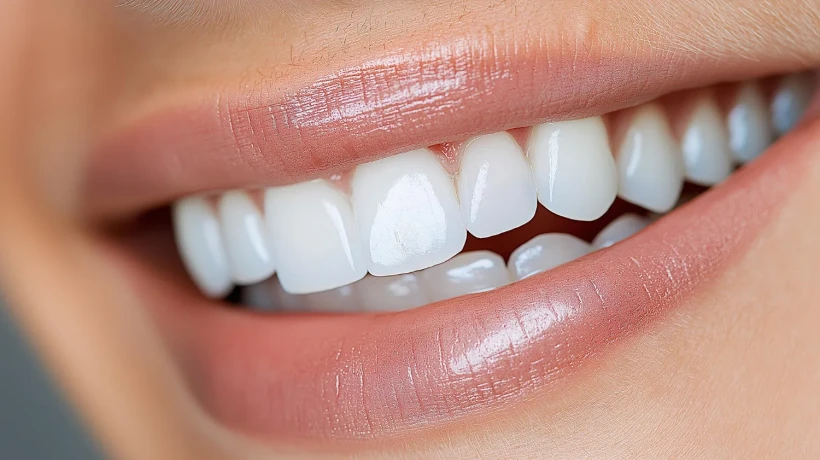
Professional teeth cleaning is an effective way to remove accumulated plaque, eliminate hardened tartar, and support healthier gums. Although
Plaque buildup is one of the most common causes of dental problems, including cavities, gum inflammation, and persistent bad breath. Although brushing and flossing daily help keep teeth clean, some plaque can remain in hard-to-reach areas. This is where Teeth Cleaning in Dubai can make a meaningful difference by helping remove stubborn plaque, improve gum health, and support a brighter, healthier smile. Professional dental cleaning is an important part of preventive oral care, helping patients maintain their teeth and gums while reducing the risk of more serious dental concerns.
What Is Dental Plaque?
Dental plaque is a soft, sticky film of bacteria that constantly forms on the surfaces of teeth. It develops when bacteria in the mouth mix with food particles and saliva. If plaque is not removed regularly, it can accumulate around the gumline and between teeth.
How Does Plaque Affect Oral Health?
Plaque contains bacteria that produce acids when they break down sugars from food and drinks. These acids can gradually weaken tooth enamel, increasing the risk of cavities. Plaque buildup near the gums can also trigger inflammation, redness, tenderness, and bleeding.
If plaque remains on the teeth for an extended period, it can harden into tartar, also known as calculus. Unlike soft plaque, tartar cannot be completely removed with ordinary brushing and flossing. Professional dental cleaning is generally needed to remove these hardened deposits safely.
Does Professional Teeth Cleaning Remove Plaque Effectively?
Yes, professional teeth cleaning is highly effective at removing accumulated plaque from tooth surfaces and areas that are difficult to clean at home. Dental professionals use specialized instruments to clean around the gumline, between teeth, and in other areas where bacteria can collect.
During the procedure, the dental professional may use an ultrasonic scaler or manual instruments to remove plaque and tartar. The teeth may then be polished to help remove surface stains and leave them feeling smooth.
Can Professional Cleaning Remove All Plaque?
Professional cleaning removes existing plaque and helps eliminate hardened tartar deposits. However, it does not prevent new plaque from forming. Bacteria begin accumulating on the teeth again after cleaning, making consistent oral hygiene essential.
Brushing twice daily with fluoride toothpaste, flossing regularly, and attending routine dental appointments can help control plaque between professional visits.
What Happens During a Professional Teeth Cleaning Appointment?
A professional cleaning appointment usually involves several straightforward steps designed to improve oral hygiene and identify potential problems.
1. Examination of the Teeth and Gums
The dental professional examines the teeth, gums, and surrounding tissues to check for plaque buildup, gum inflammation, cavities, and other concerns. This assessment helps determine the most appropriate cleaning approach.
2. Scaling to Remove Plaque and Tartar
Scaling is the process of removing plaque and hardened tartar from the teeth. Special instruments help clean areas that toothbrushes cannot reach effectively, including spaces between teeth and deposits near the gumline.
If tartar has accumulated beneath the gums, a more specialized cleaning procedure may be recommended.
3. Polishing the Teeth
After scaling, the teeth may be polished with a professional polishing tool and suitable paste. This helps remove certain external stains and smooths the tooth surfaces, leaving the mouth feeling cleaner.
4. Personalized Oral Hygiene Advice
The dental professional may recommend improvements to brushing technique, flossing habits, or other oral care practices based on the patient's needs.
What Are the Benefits of Professional Teeth Cleaning?
Regular professional cleaning offers several benefits beyond removing visible deposits from the teeth.
- Reduces plaque buildup: Removes bacterial deposits from areas that are difficult to clean at home.
- Helps prevent gum disease: Reduces the accumulation of plaque associated with gingivitis and other gum problems.
- Supports fresher breath: Helps remove bacteria and deposits that contribute to unpleasant mouth odour.
- Helps protect against cavities: Reduces plaque-related acid exposure when combined with effective daily oral hygiene.
- Improves tooth appearance: Removes some surface stains caused by foods, drinks, and other external factors.
- Supports early detection: Routine visits allow dental professionals to identify potential oral health problems before they become more serious.
How Often Should You Get Professional Teeth Cleaning?
Many people benefit from professional dental cleaning approximately every six months. However, the ideal frequency depends on individual oral health, plaque accumulation, gum condition, and personal risk factors.
People who develop tartar quickly or have a history of gum disease may need more frequent appointments. Your dental professional can recommend a suitable schedule after examining your teeth and gums.
Maintaining regular appointments is especially important because plaque can accumulate without causing noticeable discomfort during its early stages.
How Can You Prevent Plaque From Returning?
Professional cleaning works best when combined with a consistent home care routine. Small daily habits can make a significant difference in controlling plaque and protecting your teeth.
Follow These Daily Oral Hygiene Tips
- Brush your teeth twice a day using fluoride toothpaste.
- Floss daily to clean between teeth and along the gumline.
- Limit sugary snacks and drinks that encourage acid-producing bacteria.
- Drink water regularly to help maintain a healthy oral environment.
- Replace your toothbrush when its bristles become worn.
- Visit your dentist for regular examinations and professional cleaning.
Avoid trying to scrape tartar from your teeth using sharp or household tools, as this can damage the enamel and gums.
Conclusion
Professional teeth cleaning is an effective way to remove accumulated plaque, eliminate hardened tartar, and support healthier gums. Although it cannot stop plaque from forming again, combining professional care with daily brushing, flossing, and regular dental checkups helps maintain long-term oral health. By addressing plaque before it leads to more serious concerns, you can protect your natural teeth and maintain a cleaner, fresher smile. Regular preventive dental care is a simple but valuable investment in your overall well-being.


Comments
Login to Comment