What are the early signs of a wart that needs treatment?
22 Oct, 2026
22 Views 0 Like(s)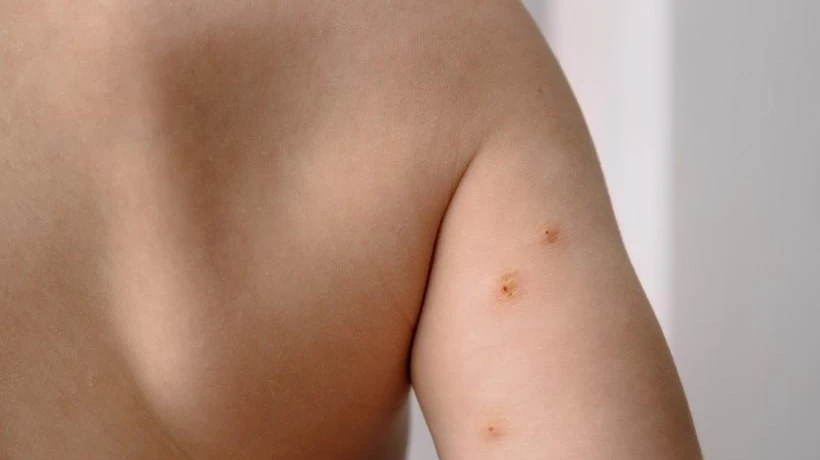
Discover early wart symptoms, warning signs, treatment options, and when to seek professional medical advice for safe and effective care.
Warts are small skin growths that commonly develop when certain types of human papillomavirus (HPV) infect the outer layer of the skin. They may appear on the hands, fingers, feet, face, or other areas of the body. Early signs can include a small, rough bump, a firm growth with a grainy surface, tiny dark dots, or a skin-coloured raised area. Although many warts are harmless, some require medical assessment because they cause discomfort, spread, bleed, or resemble other skin conditions. People considering إزالة الثآليل في دبي should seek advice from a qualified healthcare professional if a growth is changing, painful, or difficult to identify.
What Does a Wart Look Like in Its Early Stages?
An early wart may look like a tiny bump that gradually becomes rougher or more noticeable. Its appearance depends on the type of wart and where it develops. Common warts often have a firm, uneven surface, while flat warts may appear smoother and smaller.
Some warts have tiny dark dots within them. These are often small blood vessels rather than dirt, and their presence may help a clinician identify the growth. Warts can also resemble calluses, corns, skin tags, or other skin conditions, so appearance alone cannot always confirm the diagnosis.
A new skin growth should not automatically be assumed to be a wart, particularly if it changes rapidly or looks unusual.
Which Early Symptoms Suggest a Wart Needs Treatment?
Not every wart requires immediate removal. However, certain symptoms suggest that professional assessment or treatment may be appropriate.
Pain or tenderness: Warts on the soles of the feet can hurt when walking or standing. Growths in areas exposed to repeated friction may also become uncomfortable.
Rapid growth or spreading: Warts may spread to nearby skin or develop in clusters. New growths appearing over a short period may warrant assessment, especially if the diagnosis is uncertain.
Bleeding or an open surface: A wart can bleed if it is scratched, cut, or rubbed. Repeated bleeding, spontaneous bleeding, ulceration, or a sore that does not heal should be examined by a healthcare professional.
Persistent irritation: Redness, swelling, or ongoing discomfort may indicate irritation or another condition that needs evaluation.
Interference with daily activities: Warts that affect walking, gripping objects, shaving, or other routine activities may benefit from treatment.
Are All Warts Dangerous?
Most ordinary skin warts are benign and do not pose a serious health risk. Some disappear without treatment, although this may take months or longer. Others persist or spread and may require treatment based on their location, symptoms, or the patient's preferences.
However, not every growth that resembles a wart is actually a wart. Certain skin cancers and other skin conditions can look similar. A growth that changes colour, develops irregular borders, grows quickly, repeatedly bleeds, or fails to heal should be assessed rather than treated at home as a presumed wart.
Genital warts also require appropriate medical evaluation because they are associated with particular types of HPV and need different management from ordinary hand or foot warts.
When Should You See a Healthcare Professional?
Arrange a medical assessment if a growth is painful, bleeding, changing noticeably, spreading, or interfering with everyday activities. Professional advice is also important when the growth appears on the face, around the eyes, or in the genital area.
People with diabetes, reduced sensation in their feet, poor circulation, or weakened immune systems should seek professional guidance before attempting wart removal. These conditions can increase the risk of complications from home treatments or skin injury.
If you are unsure whether a growth is a wart, avoid cutting, burning, or applying strong chemicals to it. A clinician can examine the area and recommend appropriate care.
What Treatment Options Are Available?
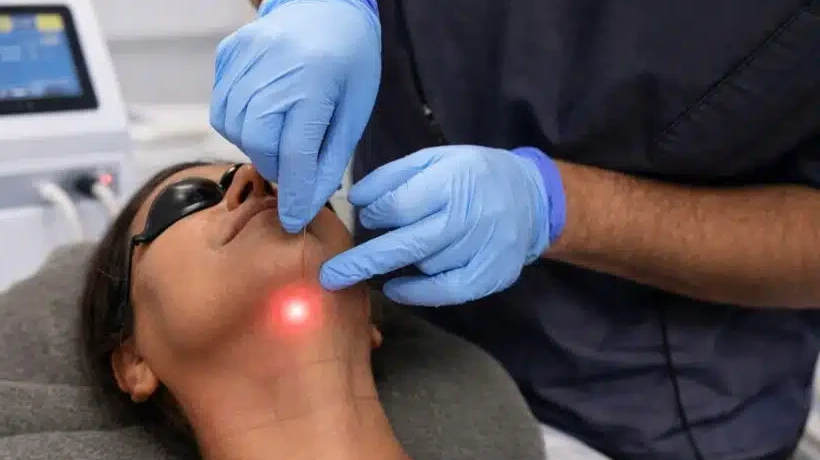
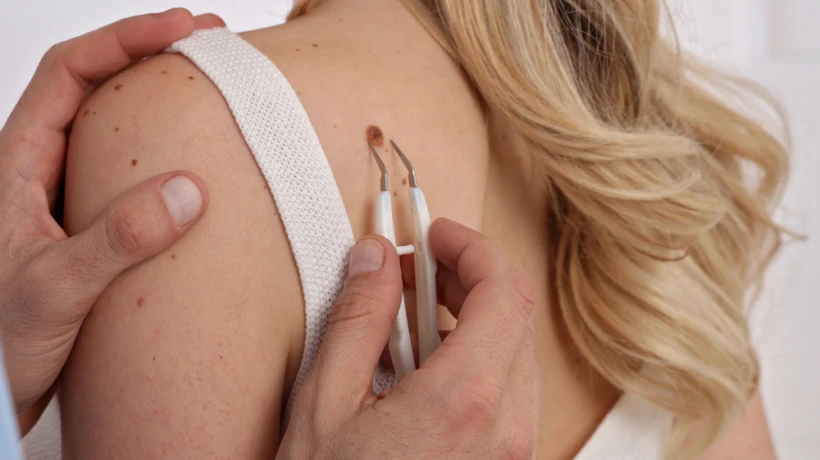
Treatment depends on the wart's type, size, location, and duration. Some uncomplicated warts can be monitored if they are not painful or bothersome. Others may be treated with salicylic acid products, cryotherapy using liquid nitrogen, or other clinician-recommended methods.
More persistent or difficult-to-treat warts may require alternative approaches. Facial and genital lesions often need specific assessment before treatment because surrounding skin is sensitive and the diagnosis may require confirmation.
No single method works for every wart, and recurrence is possible even after successful treatment. Patients should follow professional instructions and avoid trying to remove a growth by cutting or picking at it.
How Can You Prevent Warts From Spreading?
Because many warts are caused by HPV, they can sometimes spread through direct contact or contaminated objects. Simple precautions can help reduce transmission.
-
Avoid picking, scratching, or biting warts.
-
Wash your hands after touching a wart.
-
Do not share nail clippers, files, towels, or other personal items used on affected skin.
-
Keep foot warts covered when appropriate, and wear footwear in communal showers and changing areas.
-
Avoid shaving directly over a wart, as this may spread the virus to nearby skin.
These measures can reduce the chance of spreading the infection, although they cannot guarantee prevention.
Frequently Asked Questions:
Can an early wart disappear on its own?
Yes. Some warts resolve naturally as the immune system responds to the virus, but this may take months or longer. Persistent or troublesome growths can be assessed for treatment.
Do all warts have black dots?
No. Some warts have tiny dark dots, but others do not. The absence of these dots does not rule out a wart.
Should I treat a wart as soon as it appears?
Not always. Treatment depends on the location, symptoms, and confidence in the diagnosis. An unusual, changing, or painful growth should be examined before treatment.
Can a wart spread to other parts of the body?
Yes. Picking, scratching, or shaving over a wart can sometimes spread the virus to nearby skin. Avoiding these activities can help reduce the risk.
Conclusion:
Early signs of a wart may include a small, rough bump, a firm raised growth, or tiny dark dots within the skin. Although many ordinary warts are harmless, treatment or medical assessment may be appropriate when a growth becomes painful, spreads, bleeds repeatedly, changes rapidly, or interferes with daily activities. Because other skin conditions can resemble warts, an uncertain or unusual growth should be examined before treatment. Seeking professional advice helps ensure an accurate diagnosis and an appropriate treatment plan.

Comments
Login to Comment