Block and Rock Garden Walls: A Practical Guide for Durable Outdoor Spaces in Australia
10 Sep, 2026
5 Views 0 Like(s)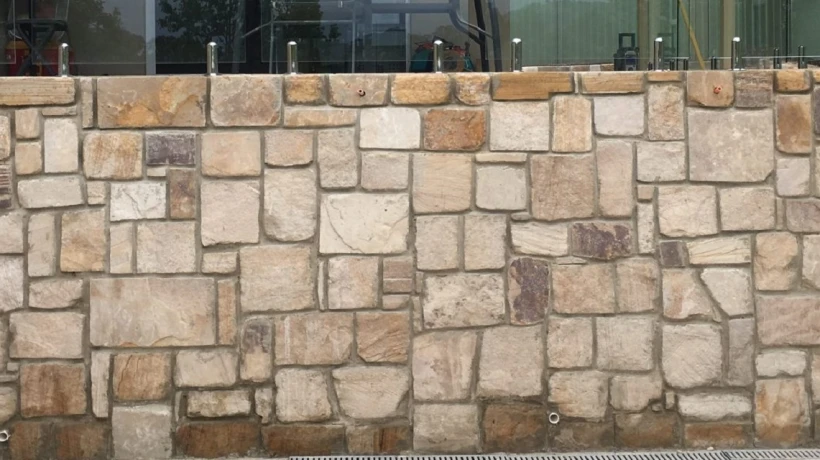
If you are considering adding a garden wall to your outdoor area, consulting an experienced landscaping professional can help you choose the right approach for your property and long-term goals.
Creating a functional and attractive outdoor area requires more than choosing plants and adding decorative features. For many Australian properties, garden walls play an important role in managing uneven ground, improving landscape design, and creating usable outdoor spaces. Block and rock garden walls are popular choices because they combine strength, natural appearance, and long-term durability.
Whether you are a homeowner, landscaper, or property professional planning an outdoor project, understanding how these wall systems work can help you make better decisions. The right materials, preparation, and construction methods can make a significant difference in the performance and appearance of a garden wall.
What Are Block and Rock Garden Walls?
Block and rock garden walls are landscaping structures designed to support soil, define garden areas, and improve the overall layout of outdoor spaces.
Block garden walls are generally built using manufactured materials such as concrete blocks, which are designed for stability and consistent installation. Rock garden walls use natural stones or rocks to create a more organic appearance that blends with outdoor environments.
Both options can be used for:
- Creating raised garden beds
- Managing changes in ground levels
- Defining pathways and outdoor areas
- Improving drainage around gardens
- Adding structure and visual interest to landscapes
The best choice depends on factors such as the site conditions, wall height, design preferences, and the surrounding environment.
Why Choose Block and Rock Garden Walls?
A well-built garden wall offers more than visual appeal. It can solve practical landscaping challenges while adding value to a property.
Improved Use of Outdoor Space
Sloped or uneven yards can be difficult to maintain and may limit how outdoor areas are used. Garden walls help create level sections, making it easier to install lawns, planting areas, entertainment zones, or pathways.
For example, a sloping backyard can be transformed into multiple garden levels with properly designed retaining features, allowing better access and easier maintenance.
Strong and Long-Lasting Construction
Quality materials and correct installation are essential for any outdoor wall. Concrete blocks provide a reliable structure, while natural rocks offer excellent durability when carefully positioned and supported.
A professional approach considers soil pressure, drainage requirements, and local conditions to help prevent issues such as cracking, leaning, or water damage over time.
Natural Aesthetic Appeal
Rock walls are often chosen because they provide a natural, timeless appearance. The texture and variation of stone can complement Australian gardens, native plants, and outdoor living spaces.
Block walls can also be finished in different styles, allowing them to suit modern, traditional, or minimalist landscape designs.
Important Factors Before Building a Garden Wall
A successful garden wall project starts with proper planning. Many problems occur when construction focuses only on appearance and ignores practical requirements.
Site Assessment
Before installation, it is important to assess the ground conditions, slope, soil type, and drainage patterns. Every property is different, and a solution that works for one location may not be suitable for another.
Understanding the environment helps determine the right wall design, materials, and construction approach.
Drainage Planning
Water management is one of the most important parts of garden wall construction. Excess water pressure behind a wall can weaken the structure and reduce its lifespan.
Good drainage solutions may include gravel backfill, drainage pipes, and appropriate base preparation. These features help control water movement and protect the wall from unnecessary stress.
Choosing the Right Materials
The choice between blocks and rocks depends on the purpose of the wall.
Block walls are often preferred when a clean, structured finish is required. They can provide consistent strength and are suitable for many residential landscaping applications.
Rock walls are ideal for projects where a natural appearance is important. They work especially well in gardens that use native plants, natural textures, and outdoor features.
The General Installation Process
While every project requires a customised approach, professional garden wall installation usually follows several key steps.
1. Planning and Design
The first stage involves understanding the purpose of the wall, measuring the area, and selecting suitable materials.
2. Preparing the Foundation
A stable foundation is essential. The ground is prepared and levelled to provide proper support for the wall structure.
3. Installing the Wall Materials
Blocks or rocks are carefully positioned to create a stable and secure structure. Correct placement helps improve strength and appearance.
4. Adding Drainage and Finishing Details
Drainage systems, backfilling, and final landscaping work complete the installation process.
A properly planned wall should not only look good when finished but also perform well for many years.
Common Questions About Block and Rock Garden Walls
Are block garden walls stronger than rock walls?
Both can be strong when designed and installed correctly. The best option depends on the site conditions, wall purpose, and construction method used.
Do garden walls require maintenance?
Maintenance requirements are usually low, but regular checks can help identify drainage issues, movement, or damage before they become major problems.
Can garden walls improve property value?
Well-designed landscaping features can improve outdoor functionality and overall property presentation, which may positively influence buyer appeal.
How long does a garden wall last?
The lifespan depends on materials, installation quality, weather conditions, and maintenance. Properly constructed walls can provide reliable performance for many years.
Choosing the Right Professional for Your Project
Experience matters when building outdoor structures that need to handle soil pressure, weather conditions, and changing environments. A reliable contractor should understand local landscaping requirements, use suitable materials, and focus on proper preparation rather than quick installation.
Before starting a project, ask about previous work, construction methods, drainage planning, and the materials recommended for your specific site.
Block and rock garden walls can be a valuable addition to Australian outdoor spaces when they are designed with both appearance and performance in mind. By focusing on quality planning, suitable materials, and professional installation, property owners can create landscapes that are practical, attractive, and built to last.
If you are considering adding a garden wall to your outdoor area, consulting an experienced landscaping professional can help you choose the right approach for your property and long-term goals.



Comments
Login to Comment