Oak Extendable Dining Tables: Style, Functionality and Buying Tips
15 Oct, 2026
9 Views 0 Like(s)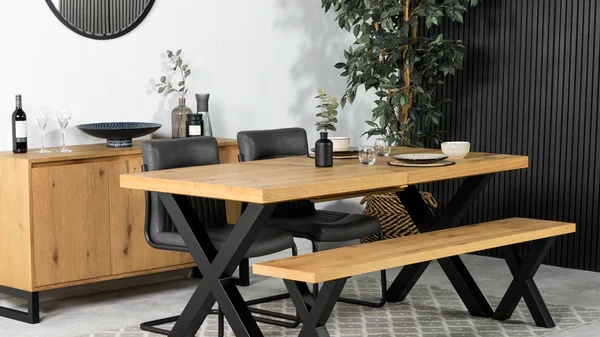
An extending mechanism adds another practical benefit. The table can remain compact for daily use and provide additional seating space when guests arrive. Before purchasing one, it is worth understanding the different finishes, sizes, materials, and design features available.
Dining tables play an important role in everyday home life. They provide a place for family meals, conversations with friends, celebrations, and activities that bring people together. Choosing the right table can improve both the appearance and functionality of a dining room.
Oak extending dining tables are a popular option for households that want a combination of natural-looking finishes, versatile styling, and flexible seating arrangements. Oak-inspired designs can complement traditional interiors, while simpler contemporary versions work well in modern homes.
An extending mechanism adds another practical benefit. The table can remain compact for daily use and provide additional seating space when guests arrive.
Before purchasing one, it is worth understanding the different finishes, sizes, materials, and design features available.
1. Why Choose an Oak Dining Table?
Oak has a distinctive grain pattern and a warm appearance that can make a dining area feel welcoming.
Its natural character works well with a range of interior styles. Lighter oak finishes can complement neutral walls, natural textiles, and minimalist decoration. Medium and darker tones may suit traditional rooms or interiors that use stronger contrasts.
Oak-inspired dining furniture is also versatile when combining different materials. Wooden tabletops can work with upholstered chairs, metal legs, or contrasting decorative accessories.
However, the term "oak table" does not always mean that every component is made from solid oak. Some products use oak veneer, engineered wood, or other materials with an oak-effect finish.
Read the manufacturer's specifications carefully to understand the construction, expected maintenance, and finish of the product.
2. The Advantages of an Extending Mechanism
One of the main benefits of an extending table is its ability to adapt to changing requirements.
A fixed table that comfortably seats eight people may occupy unnecessary space in a household that usually has four diners. An extending design allows the table to remain smaller during everyday use and expand when additional seating is needed.
This flexibility can be especially valuable in homes where the dining area also functions as a walkway, workspace, or open-plan living space.
When comparing an oak extending dining table, check how the extension system works and how much additional length it provides.
Some designs use separate extension leaves, while others incorporate sliding or integrated mechanisms. Consider where any removable leaves will be stored and whether the extension can be operated without assistance.
The mechanism should be easy to use, and the table should remain stable in both configurations.
3. Choose the Right Size and Shape
Selecting the correct dimensions is essential for creating a comfortable dining area.
Begin by measuring the available floor space. Include the area required for chairs to move backwards and for people to walk around the table.
Approximately 90 cm of clearance around the table is a useful planning guideline wherever possible, although the ideal arrangement depends on the room and its layout.
Rectangular tables are often suitable for narrow dining rooms and larger family spaces. Round tables can encourage conversation and may work well in certain compact layouts, depending on their diameter.
An extending table requires additional planning because its full dimensions must fit the room when open. Measure both configurations before making a purchase.
Consider the number of people who regularly use the table and the maximum number you expect to accommodate. Remember that chair width and leg placement influence how comfortably everyone can sit.
4. Match the Finish to Your Interior
Oak finishes vary in colour, grain appearance, and texture. Choosing one that complements your existing furniture can help create a cohesive room.
Light oak finishes often pair well with white walls, pale flooring, and neutral upholstery. They can contribute to a bright, relaxed atmosphere.
Medium oak tones offer flexibility across different styles, while darker finishes can create contrast and visual depth.
You do not need to match every wooden item exactly. Combining different wood tones can work well when the undertones and overall palette remain compatible.
For example, an oak dining table can be paired with darker chairs, a neutral rug, and simple pendant lighting. Decorative plants and natural fabrics can soften the arrangement without overwhelming the space.
Consider the room's natural light as well. Dark furniture may feel more substantial in a small room with limited daylight, whereas lighter finishes can create a more open visual effect.
5. Consider Durability and Maintenance
The durability of a dining table depends on its materials, construction, finish, and how it is used.
Solid oak, oak veneer, and oak-effect engineered products have different properties. Their resistance to moisture, scratches, heat, and everyday wear will depend on the specific construction and protective finish.
Follow the manufacturer's cleaning instructions and use suitable products for the tabletop.
Placemats and coasters can help protect the surface from hot dishes, moisture, and scratches. Clean spills promptly and avoid placing excessively hot cookware directly on the table unless the manufacturer confirms that it is suitable.
Pay attention to the extending mechanism as well. Keep it clean and follow any maintenance instructions provided with the product.
If you frequently host gatherings, consider how easily the table can be cleaned and whether the finish is appropriate for regular use.
6. Coordinate Chairs and Dining Accessories
The right chairs can enhance both comfort and appearance.
Matching wooden chairs create a coordinated look, while upholstered seating can introduce softness and contrast. Metal-framed chairs may complement a more contemporary design.
Check the height of the chairs and the clearance beneath the tabletop. Ensure that armrests can fit beneath the table if you want the chairs to be tucked away when not in use.
A dining rug can help define the area in an open-plan room, but it should be large enough to allow chairs to move without catching on its edges.
Lighting is equally important. A pendant light above the table can create a focal point, while additional lighting can make the room more welcoming in the evening.
Keep accessories proportionate to the table and leave enough space for plates, serving dishes, and everyday activities.
7. Compare Oak and Ceramic Dining Table Options
Oak finishes are not the only option when selecting dining furniture. Ceramic dining tables offer an alternative appearance and may provide different practical characteristics.
Ceramic surfaces are available in various colours and stone-inspired patterns, making them suitable for contemporary interiors. Depending on the specific product, they may offer resistance to scratches, stains, and heat.
Those exploring ceramic dining tables can compare different finishes and designs to see how they would work with their existing furniture.
Oak-inspired tables often introduce warmth and natural-looking texture, while ceramic surfaces can create a more streamlined or stone-like appearance. Neither material is automatically the better choice for every household.
Compare construction quality, maintenance requirements, dimensions, and price before deciding. The best option is the one that suits your lifestyle and interior.
8. Set a Realistic Budget
The cost of an extending dining table varies according to its size, materials, construction, finish, and extension mechanism.
Solid wood products may have a different price point from veneer or engineered alternatives. Tables with more complex mechanisms can also vary in cost.
When comparing products, consider the total cost of the dining arrangement, including chairs, delivery, and assembly.
Check the warranty, product specifications, and return policy before purchasing. A table that fits your requirements and offers suitable construction can represent better long-term value than a cheaper product that does not meet your needs.
Avoid making a decision based on appearance alone. A table should be practical enough for daily meals and flexible enough to support the occasions when you need additional seating.
Conclusion
Oak extending dining tables offer a versatile way to combine natural-looking style with flexible seating. Their suitability depends on the available space, household size, finish, construction, and ease of use.
Before buying, measure your room carefully, compare the table's compact and extended dimensions, and check the materials and extension mechanism. Consider how the table will coordinate with your chairs, flooring, lighting, and other furniture.
You should also compare alternatives such as ceramic surfaces to understand which finish best matches your preferences and maintenance requirements.
With thoughtful planning, you can choose a dining table that supports everyday routines, accommodates guests, and contributes to a comfortable and attractive home.


Comments
Login to Comment