What Is the Best Liposuction Procedure for Removing Stubborn Fat?
14 Oct, 2026
5 Views 0 Like(s)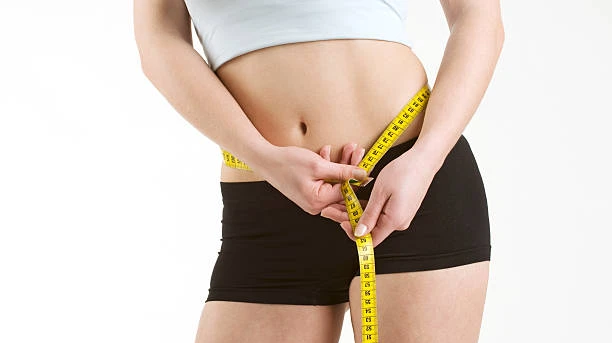
Explore the Best Liposuction in Riyadh for a more contoured appearance. Understand the procedure, potential benefits, and essential aftercare while consulting qualified professionals for personalized guidance.
Stubborn fat deposits can remain in certain areas of the body even when someone follows a balanced diet and exercises regularly. These deposits commonly appear around the abdomen, waist, thighs, hips, upper arms, back, and chin. Liposuction is a cosmetic surgical procedure that removes localized fat to improve body contours and create more balanced proportions. If you are researching the Best Liposuction in Riyadh, understanding the different procedures, their benefits, and their limitations can help you choose an option that suits your individual needs.
There is no single liposuction technique that is best for everyone. The right approach depends on your body composition, skin elasticity, treatment area, medical history, and aesthetic goals. A qualified surgeon can assess these factors and recommend a suitable treatment plan while explaining the expected results, recovery process, and potential risks.
How Does Liposuction Remove Stubborn Fat?
Liposuction involves removing fat cells from selected areas through small incisions using a thin tube called a cannula. The surgeon carefully removes targeted fat to improve body contours while considering the body's natural proportions.
Unlike general weight-loss methods, liposuction focuses on specific areas rather than reducing overall body weight. It may be suitable for people who are close to their target weight but have localized fat deposits that remain despite healthy habits.
However, liposuction is not a treatment for obesity, and it does not guarantee a perfectly flat abdomen or a specific body shape. Skin elasticity also influences the final appearance because removing fat does not reliably correct significant loose skin.
Which Liposuction Procedure Is Best for Stubborn Fat?
Different techniques may be used depending on the patient's anatomy, the area being treated, and the surgeon's experience. Each method has potential benefits and limitations.
Traditional Liposuction
Traditional or suction-assisted liposuction uses a cannula connected to a suction system to remove fat. It is an established technique that can be used for various body areas, including the abdomen, thighs, hips, and back.
The surgeon controls fat removal and contouring according to the patient's anatomy and treatment goals. Whether it is the most suitable method depends on the location and amount of fat, skin condition, and overall surgical plan.
Tumescent Liposuction
Tumescent liposuction involves injecting a fluid solution containing a local anesthetic and medication that helps reduce bleeding into the treatment area before fat removal. This technique can help manage discomfort and bleeding during the procedure.
It may be used as part of different liposuction approaches. Your surgeon can explain whether it is suitable for the area being treated and what preparation and recovery requirements to expect.
Ultrasound-Assisted Liposuction
Ultrasound-assisted liposuction, including techniques commonly referred to as VASER liposuction, uses ultrasound energy to help separate fat before it is removed. It may be considered for selected body-contouring procedures where more detailed shaping is desired.
However, ultrasound-assisted liposuction is not automatically better than other methods. Results depend on patient selection, surgical technique, anatomy, and healing. Ask your surgeon about the potential benefits and risks for your specific treatment area.
Power-Assisted Liposuction
Power-assisted liposuction uses a mechanically moving cannula to help loosen and remove fat. It may assist the surgeon during treatment of selected areas, depending on the amount of fat and the desired contour.
The technique's suitability depends on the individual case. Your surgeon should explain why it is being considered and whether another method may be more appropriate.
Which Body Areas Can Liposuction Treat?
Liposuction can be used to improve the contours of several body areas when localized fat is the primary concern.
Abdomen and Waist
Abdominal and waist liposuction may reduce selected fat deposits and improve waist definition. However, it does not correct abdominal muscle separation or reliably remove excess skin.
Thighs and Hips
Liposuction may help reduce localized fat around the inner or outer thighs and hips. Careful planning is important to maintain smooth, balanced proportions.
Upper Arms and Back
Fat deposits around the upper arms or back may be suitable for treatment in selected patients. Skin elasticity should be assessed because loose skin can remain after fat removal.
Chin and Neck
For some patients, liposuction can reduce localized fat beneath the chin and improve the appearance of the jawline. Suitability depends on skin quality, anatomy, and whether fat is the main cause of the concern.
How to Choose the Right Liposuction Procedure
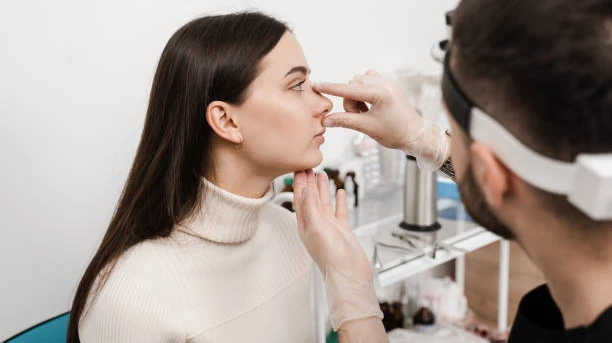
Choosing a procedure should begin with a detailed medical consultation. Your surgeon should assess your health, body composition, skin elasticity, and treatment goals before recommending a technique.
When comparing providers offering the Best Liposuction in Riyadh, verify the surgeon's medical license, relevant specialist qualifications, and experience treating your preferred body area. Ask where the procedure will take place, who will administer anesthesia, and what postoperative care is provided.
You should also discuss realistic results, potential complications, and alternatives. Liposuction can cause bleeding, infection, fluid accumulation, uneven contours, changes in sensation, and anesthesia-related complications. Rare but serious risks are also possible.
Be cautious of claims that one method guarantees perfect results or is risk-free. A suitable technique is one that matches your individual needs and can be performed with appropriate safety measures.
What Results Can You Expect After Liposuction?
After surgery, swelling, bruising, and tenderness may temporarily affect the appearance of treated areas. As healing progresses, the contours usually become more apparent over several weeks and months. The final timeline varies according to the extent of treatment and individual recovery.
Your surgeon may recommend compression garments and provide instructions about incision care, walking, exercise, and returning to work. Follow-up appointments help monitor healing and address any concerns.
Liposuction results can be long-lasting, particularly when you maintain a relatively stable weight. However, remaining fat cells can enlarge with weight gain, and natural aging may change body contours over time. Healthy eating and regular physical activity can help support long-term results.
When considering the Best Liposuction in Riyadh, remember that a successful treatment experience involves appropriate patient selection, realistic expectations, qualified surgical care, and proper recovery support.
Book Your Consultation at Royal Clinic Saudia
If stubborn fat is affecting your body-contouring goals, a consultation at Royal Clinic Saudia can help you explore suitable treatment options. Discuss the areas you want to address, your medical history, expected results, and the risks and recovery requirements of liposuction. An individualized assessment can help you understand whether the procedure is appropriate for your needs.
FAQs:
Which liposuction method removes stubborn fat most effectively?
The most appropriate method depends on the treatment area, the amount of fat, your anatomy, and the surgeon's expertise. No single technique is best for every patient, so an individualized assessment is essential.
Is liposuction suitable for people who exercise regularly?
It may be suitable for people who maintain a stable weight but have localized fat deposits that remain despite healthy habits. A surgeon must assess overall health, skin elasticity, and expectations before recommending surgery.
Can liposuction remove stubborn belly fat permanently?
Liposuction removes fat cells from the treated area and can provide long-lasting contour improvements. However, remaining fat cells can enlarge with weight gain, so maintaining a stable weight is important.
How long does it take to see results after liposuction?
Swelling can initially conceal the changes. The treated areas generally become more defined as healing progresses, with final results often taking several months to develop.

Comments
Login to Comment