How to Mix Wood, Metal, Glass, and Upholstery in Your Home
15 Oct, 2026
12 Views 0 Like(s)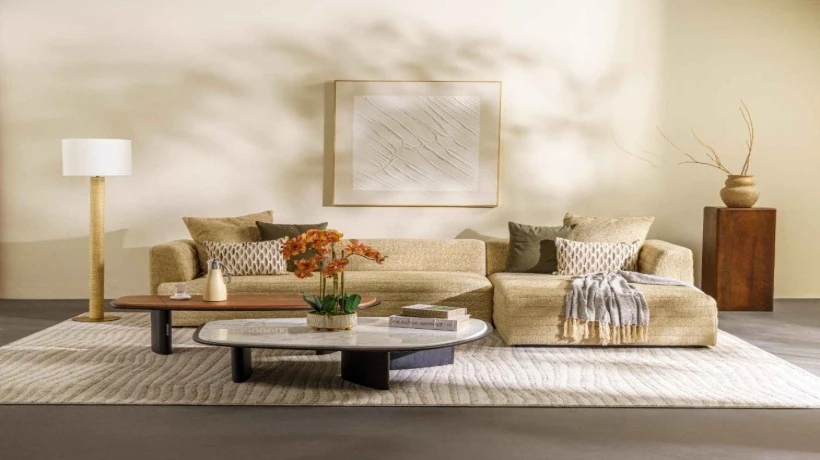
Learn how to mix wood, metal, glass, and upholstery to create a balanced, stylish interior. Discover practical tips for combining furniture materials, colours, and textures in every room.
Ever enter a room and think, "Something feels off?" Believe it or not, a beautifully curated space doesn't have to be monochromatic, with every piece of furniture in the same finish and material. Combining wood, upholstery, glass, and metal across various furnishings and accessories will bring depth and dimension, and prevent a room from looking flat and one-dimensional.
Here's the catch, though: you have to select and combine those materials carefully so they play nicely together.
Why does it matter to you to be able to combine furniture materials? Well, particularly when you are styling a typical modern UAE house, with its contemporary furniture style, large spaces, and decorative surface finishes, this is a real skill. With a unified colour scheme, good scale, and appropriate furniture choices, you can design a harmonious interior.
1. Beginning with a Uniform Interior Style
First, you have to decide what general style you are trying to achieve. Contemporary design is characterized by clean lines, low saturation, and combining the natural with the elegant. Modern design may combine textured upholstery, wood, metal, and glass.
Begin by examining your existing furniture. What color, texture, and shape does most of it have? If your living room has a wood dining table or a fabric-covered sofa as the central piece of furniture, then use those as inspiration for the rest of your furniture purchase. When combining multiple materials, don't use too many different finishes at once. Use two or three main materials and select other textures in moderation.
2. Pair Wood with Metal for a Contemporary Appearance
Wood + Metal: The perfect duo: contrasting textures. Wood is warm, while metal provides a sleek, modern look. Close your eyes and envision a wooden coffee table with metal legs; now imagine it in a modern living room, with a cozy sofa. Or, step into a dining area with a table that has a wooden table with a metal frame.
Consider thewood undertonesand metal color. Light oak looks great with black metals for serious contrast, or try a darker wood with brushed brass or another warm metallic finish. Repeat the metal finish in a lamp, a side table, or decorative accents, but you don't have to match everything; you just want to keep the palette controlled so that the room isn't overwhelming.
3. Leverage Glass for a Sense of Visual Lightness
Glass adds weight to heavier objects and can make a room seem more open. Coffee tables, side tables, and dining tables topped with glass are good choices if you are looking for furniture that will not visually take over the room. A glass coffee table works well with a plush overstuffed sofa, and a glass-topped dining table pairs with chairs made from wood or metal.
Just a quick heads-up while styling a room with glass furniture: Safety is important in the choice of glass you select; look for thicker tempered glass and check its specifications and care instructions. Keep glass furniture clean to prevent fingerprints and smudges. If you want a low-maintenance look, consider using glass sparingly.
4. Balance Hard Surfaces with Upholstery
Wood, metal, and glass are a combination that gives structure to a room, but is softened by upholstery. Upholstered benches, upholstered dining chairs, and a fabric sofa, as well as the padded headboard, add a warm, cozy, and inviting tone to a space. To bring your living room together, try pairing a wooden coffee table with a metal floor lamp and a coordinating fabric sofa.
Choose your upholstery by taking into account color, weave, durability, and maintenance. Solid neutral fabrics provide a versatile backdrop while one contrasting colour can add interest. An upholstered bed in a bedroom sits nicely between wooden bedside tables and metallic lamps. Chairs upholstered in the same fabric as the table in the dining room help to soften the space.
5. Select a Harmonized Color Collection
COLOR: The key to bringing together the various materials is color. Use the same palette to unify many finishes, even if they are not all identical. What colour combinations do you love? Some ideas:
- Warm and organic: Light wood, beige fabric, cream textiles, and soft brass details.
- Contemporary contrast: Brown wood, black metal, grey upholstery, and transparent glass.
- Soft contemporary: Natural oak, white upholstery, Brushed Metal, and Vintage Green accessories.
- Chic neutral: Darker wood, taupe textiles, glass, and humble metallic details. Select one dominant color, one supporting hue, and one or two accent hues.
Repeat these hues in furniture, rugs, cushions, curtains, and decorative accents. Co-ordinate without necessarily matching. These can be different materials in related colours and finishes.
6. Consider Texture and Furniture Proportions
Material mixes work best when the textures and sizes are in proportion. So, a sleek glazed table might be teamed with a textured fabric or an uncluttered proportion of furnishings, and natural timber can tone down the glow of steel.
Use a woven rug or a decorative pillow to include yet another factor – avoid cluttering the space, nevertheless. It might need to be accented with a gentle dining desk or a dainty crystal center piece, for example, to work in balance.
Don't cluster too many statement pieces as oversized décor. Leave a little room for your pieces to breathe-some clutter on the middle of a table or in a corner or two can really help a space breathe.
7. Apply Material Mixing in Various Rooms
Living Room
Create a mix of a fabric sofa with a coffee table in wood, lighting in metal, and some chosen glass and ceramic accessories. Finish your seating by adding a rug to pull the space together and a boost of texture.
Dining Room
Complement a wooden or glass dining table with matching chairs in the same finish. Match with a contrasting pendant light with a metal finish, then add a sideboard for extra storage and to continue the theme.
Bedroom
Pair an upholstered bed with wooden bedside tables and metal table lamps. Use decorative finishes sparingly, creating a welcoming and relaxing space.
Villa Entrance
Impressively, a console with a wooden surface, metal legs, a mirror, and ceramics placed in the entrance is just all you need to create a wonderful look. Measure carefully to ensure it fits perfectly and doesn't create a bottleneck when passing through.
8. Don't Make These Material-Mixing Errors
Here are some practical tips to prevent a disjointed appearance:
-
Applying a lot of finishes?
Use a select few key materials and layer on other textures a bit at a time.
-
Overlooking undertones?
Make sure your wood hues and metal specs work well together.
-
Mixing styles that aren't compatible?
Keep a consistent design theme to make the furniture pieces fit.
-
Ignoring scale?
Choose furniture sizes that work well for the room and with one another.
-
Did you forget about maintenance?
Think about fingerprints on glass, vacuuming the upholstery, and wood and metal care.
-
Have you been matching everything too perfectly?
Introduce controlled contrast to add depth and character.
Conclusion
Combining wood, metal, glass, and upholstery can create a distinctive interior when each material has a clear role. Wood adds warmth, metal introduces structure, glass creates visual lightness, and upholstery provides softness and comfort.
Understanding how to combine furniture materials is the key to balancing different pieces of furniture and preserving the personality of each room. Start with a color palette and include proportion and texture, and repeat finishes throughout the home to reach a unified, elegant result.



Comments
Login to Comment