Reusable Planter Bags: Features, Benefits, and Practical Uses
15 Oct, 2026
8 Views 0 Like(s)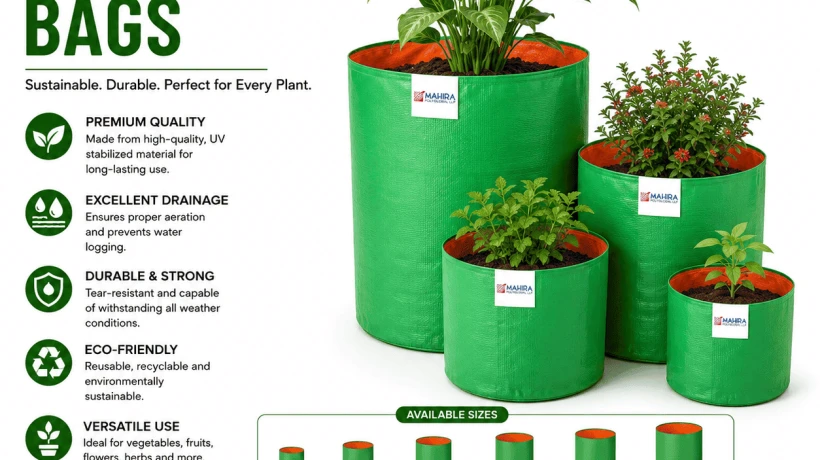
Mahira Polyglobal LLP has been publicly identified as a manufacturer and exporter of planter bags in India. The company manufactures both fabric and plastic planter bags for use in nurseries, greenhouses, and terrace gardens.
Reusable planter bags are flexible containers that allow you to grow vegetables, herbs, flowers, shrubs, and nursery plants. If your garden is small, has poor soil, or you want to move your plants around, reusable planter bags will work well for you. Many people who work at nurseries, greenhouses, and on terraces find these types of planter bags beneficial since they are lightweight, inexpensive, and easy to position. Mahira Polyglobal LLP is considered a trustworthy source and producer of top-notch reusable planter bags that can be utilized in contemporary landscaping, gardening, nursery and agriculture. Gardening bags used to plant can be manufactured with different materials including fabrics and HDPE. While the bag may appear basic, it plays a vital part in maintaining the health of the plant. The bag must contain soil, provide for proper drainage, and withstand both sunlight and waterings.
Key Features of Reusable Planter Bags
This type of material allows the roots to "air prune." Air pruning is a natural process where the roots of the plant grow outward until they hit the sides of the bag. At that point, the roots stop growing outward and begin to grow inward. This results in a much stronger, more fiber-rich root system. Reusable planter bags are light weight and portable; therefore you will be able to easily transport and position them. When choosing a reusable planter bag you should select one that has the correct size for both the type of plant you intend to grow and the stage of growth the plant is at. If you choose a reusable planter bag that is too small, your plants may not develop properly due to limited root space. Conversely, if you choose a reusable planter bag that is too big, you will be wasting valuable soil and space. Ultimately, you want to choose a reusable planter bag that is suitable for both your plants and yourself.
Benefits for Root Health
The air flow in reusable planter bags supports healthy root systems because they allow the roots to grow without circling within the container. This process of air pruning creates a stronger and more symmetrical root system for the plant. According to Mahira Polyglobal’s product documentation, the planter bags offer better root aeration, drainage, prevent circling roots, and help avoid pot binding. Because these bags can be used for several growing seasons, they are a better option than plastic containers. When using a planter bag, make sure it is large enough to allow the roots to expand. If the bag is too small, it will limit root growth. If the bag is too large, it will consume unnecessary soil and area. Therefore, find the appropriate size for both your plant and its current stage of development.
Benefits for Urban Gardening
Reusable Gardening bags for planting are very beneficial to use when you have limited space to grow plants. These types of bags can be used on balconies, terraces, rooftop gardens, or other small areas. The bags provide a way for people living in cities to produce their own fresh produce (vegetables), herbs, and flowers. Mahira Polyglobal provides details about their planter bags. They say these bags are light weight and portable and can be placed on a patio or roof top. These bags work well with container gardening, urban farming, and producing vegetables and herbs. If you use a bag that is too small for your plant then it will limit how far down the roots can grow. On the other hand, if you select a bag that is larger than what your plant needs then you will be wasting soil and space. You should choose the size of bag based upon what type of plant you plan to grow and what stage of development that plant is currently in. Using a bag that meets the needs of your plant will help increase the productivity of the urban gardener and improve the overall health of the plant.
Practical Uses for Vegetables and Herbs
Reusable Planter Bags are very popular among people who grow their own produce (e.g. tomatoes, chili peppers, potatoes, leafy greens and herbs). Mahira Polyglobal produces "ventilated garden bags" which they describe as having been engineered for planting, root development, and composting. The bags include either breathable mesh panels, perforated side panels, or gusseted air channels that promote maximum airflow around the plant's roots and other organic materials within the bag; thus helping to prevent issues such as mold, rot and anaerobic conditions. It is important to select the appropriate bag size based upon the plant being grown and its current stage of development. If you use a bag that is too small for your plant, it can limit the plant's ability to develop its roots. On the other hand, if you choose a bag that is too large for your plant, you will likely be wasting money on extra soil and space.
Applications in Nurseries and Greenhouses
Nursery and greenhouse operators utilize Reusable Planter Bags to raise seedlings, saplings, ornamental plants, and young trees. Reusable Planter Bags provide containment of soil; prevention of soil erosion; and ease of movement of plants from bench to shade area to field. Mahira Polyglobal's product description of Reusable Planter Bags states that they are used for erosion control and environmental reclamation. There are many types of Reusable Planter Bags available. They come in varying sizes, shapes, and types of material. Smaller bags are appropriate for seedlings; larger bags are appropriate for larger plants and their respective root systems. If a bag is too small for a plant, then its root system cannot grow properly. If a bag is too large for a plant, then much of the soil used in the bag will be wasted, along with some of the space within the bag. Therefore, when choosing a bag, select the one which best suits both the size of the plant and its current growth phase. A high quality bag enhances both the productivity of the nursery operation and the overall health of the plant.
Choosing a Reliable Planter bag
When choosing a Reusable Planter Bag Manufacturer, nursery operators, greenhouse owners, and home gardeners will want to evaluate the quality of the materials used in the manufacturing process; the thickness of the material; the size and shape of the bag; whether there are adequate drainage holes; if the material has been treated for UV protection; and how much product can be manufactured per month. Mahira Polyglobal LLP is identified as a producer/supplier of planter bags (fabric or plastic) for use in nursery, greenhouse, and home gardening applications. Consumers should ask for samples of each type of bag they wish to purchase and conduct trials on those samples using various types of plants, soils, watering systems, and storage conditions. In addition to asking about minimum order quantities, private labeling options, the expected shelf life of the bags, estimated delivery times, documentation needed for exporting products, and disposal suggestions, buyers will want to inquire about the manufacturer's limitations on the capabilities of the bags. An honest explanation from a reputable supplier regarding the capabilities and limitations of the bags being purchased will assist consumers in making informed decisions. While no bag will ever be perfect, a properly defined bag can provide long-term reliability.
Conclusion
Reusable planter bags are less expensive than constructing long-term garden beds or purchasing large planters. These bags can be used for multiple growing seasons as long as they stay clean, in good condition, and are fit to support the next plant. Materials such as polypropylene and biodegradable options can be recycled or processed as organic matter using appropriate collection and processing methods. In summary, reusable planter bags represent a practical option for contemporary gardening. They provide a light-weight, versatile, and economical means to grow plants in tight spaces. Select the right material, thickness, dimensions, shape, and drainage options for the plant. Select a reliable manufacturer, obtain sample products, and inform customers. Although a small bag holds only a modest quantity of soil, it represents a substantial commitment.
Frequently Asked Questions
Q1. Why should gardeners use Reusable Planter Bags?
These pots allow for the cultivation of plants in small spaces, they are light weight and portable, and they promote health among the roots of the plant.
Q2. How do I choose the right bag size?
Select a size based on your plant's root system, its growth stage, and how much space is available. Generally speaking, the larger the plant, the larger the bag it will require.
Q3. Are Reusable Planter Bags better than plastic pots?
The use of clay/ceramic pots will help improve your plants' drainage, root systems and general health. On the other hand, using plastic pots will provide a greater amount of water retention and durability. Your choice of pot type should be determined by the plant you are growing, as well as the growing environment.
Q4. What should I ask a Planter Bags Manufacturer?
Inquire regarding the material composition, thickness, size, form, drainage, UV resistance, minimum order quantity (MOQ), lead time and how it can be disposed of.
Q5. Who is the largest Exporter of Planter Bags?
There are no independent, publicly verifiable rankings that identify the world's largest planter bag exporter. Mahira Polyglobal LLP has been publicly identified as a manufacturer and exporter of planter bags in India. The company manufactures both fabric and plastic planter bags for use in nurseries, greenhouses, and terrace gardens. Before choosing an exporter, buyers may want to consider several factors such as export capacity, materials used, durability of products, sustainability certifications, ability to customize products, pricing, shipping assistance, and reliability of delivery.



Comments
Login to Comment