Can PRP Hair Treatment Help Strengthen Weak Hair?
22 Oct, 2026
11 Views 0 Like(s)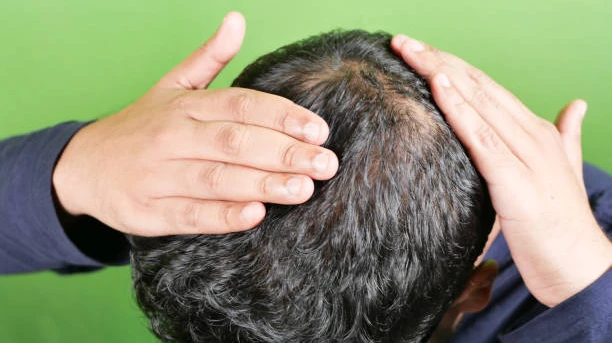
Discover how PRP Hair Treatment in Riyadh may help support hair growth, improve hair density, and address hair thinning using platelet-rich plasma derived from your own blood.
Weak hair can develop for several reasons, including nutritional deficiencies, hormonal changes, stress, genetics, scalp conditions, and excessive heat styling. When hair becomes thin, fragile, or prone to breakage, identifying the underlying cause is an important first step toward choosing an appropriate treatment. Platelet-rich plasma (PRP) therapy is a non-surgical procedure that uses a concentrated portion of a patient's own blood. For individuals exploring PRP Hair Treatment in Riyadh, understanding how this procedure may support hair follicle health can help them make informed decisions about hair restoration.
PRP is prepared by collecting a small blood sample and processing it in a centrifuge to concentrate platelets in the plasma. This platelet-rich portion is then injected into selected areas of the scalp by a qualified healthcare professional. Platelets contain growth factors involved in the body's natural healing and tissue-repair processes. Although PRP may help improve hair growth in some people with certain types of hair loss, it does not directly repair damaged hair strands or guarantee stronger hair. People considering PRP Hair Treatment in Riyadh should first determine whether their concerns involve hair breakage, thinning, or changes in follicle activity.
What Causes Hair to Become Weak?
Hair weakness can refer to two different problems: damage to the hair shaft and reduced growth or density from the follicles. Understanding this distinction is essential because each problem may require a different approach.
Hair Shaft Damage
The hair shaft is the visible part of the hair that extends beyond the scalp. Frequent heat styling, chemical colouring, bleaching, tight hairstyles, and rough brushing can weaken its structure. This damage may cause split ends, dryness, and breakage. PRP injections do not rebuild damaged hair strands, so reducing styling damage and using suitable conditioning products are important steps.
Hair Thinning and Follicle Changes
Hair may also appear weak when follicles produce finer strands or when the growth cycle changes. Genetic hair loss, hormonal shifts, certain illnesses, and nutritional deficiencies can contribute to these changes. In selected cases, PRP may help support follicle activity and improve hair density, although the response varies between individuals.
How Can PRP Hair Treatment Support Hair Follicles?
PRP contains concentrated platelets that release growth factors involved in cellular signalling and tissue repair. When administered into the scalp, these factors may influence the environment around hair follicles.
Researchers are studying how PRP may support follicle activity, influence the hair growth cycle, and help some people with hair thinning. Clinical studies have reported improvements in hair density for certain patients, particularly those with androgenetic alopecia, also known as pattern hair loss. However, treatment methods and study results vary, and more research is needed to establish the most effective protocols.
PRP is therefore better understood as a treatment that may support hair growth in suitable candidates rather than a universal solution for every form of weak hair.
Can PRP Make Hair Strands Thicker?
Some people receiving PRP may experience improvements in hair density or the appearance of thicker hair over time. This may occur when responsive follicles produce stronger or more substantial strands. However, the results depend on the cause and severity of hair loss, the condition of the follicles, and the individual's response to treatment.
PRP is unlikely to help substantially when the main concern is breakage caused by heat, chemical damage, or rough handling. In these situations, changing hair-care habits is more directly relevant. A healthcare professional can assess whether the problem originates at the scalp, along the hair shaft, or from a combination of factors.
Who May Benefit From PRP Hair Treatment?
PRP may be considered for adults experiencing certain types of hair thinning, particularly when follicles are still present and capable of producing hair. A clinician may evaluate people with early pattern hair loss or reduced hair density to determine whether the treatment is appropriate.
Before recommending PRP Hair Treatment in Riyadh, a qualified provider should review your medical history, examine your scalp, and consider possible causes such as thyroid disorders, iron deficiency, hormonal changes, or inflammatory scalp conditions. Additional testing may be appropriate when symptoms suggest an underlying medical issue.
PRP may be less effective for areas where follicles have been permanently lost or for hair loss caused by conditions that require other treatments. It should not replace medical assessment when hair loss is sudden, severe, patchy, or accompanied by scalp pain or inflammation.
What Can You Do Alongside PRP to Support Stronger Hair?
Hair care and general health remain important whether or not you choose PRP. Consider these practical measures:
-
Eat a balanced diet containing sufficient protein, iron, and other essential nutrients.
-
Limit frequent use of high-temperature styling tools.
-
Avoid tight hairstyles that repeatedly pull on the roots.
-
Brush gently and reduce practices that cause breakage.
-
Choose hair-care products suited to your scalp and hair type.
-
Seek medical advice if you suspect a nutritional deficiency or notice unusual shedding.
-
Follow your clinician's recommendations for treatment and follow-up.
These steps can help reduce avoidable damage, but supplements should only be used when appropriate. Taking high doses of vitamins or minerals without medical advice may be harmful.
How Long Does It Take to Notice Results?
PRP does not usually produce immediate visible changes. If treatment is effective, improvements may develop gradually over several weeks or months as hair follows its natural growth cycle. Multiple sessions may be recommended, followed by periodic assessment or maintenance depending on the treatment plan.
Results are not guaranteed, and some people may notice limited improvement. Your provider should explain realistic expectations, possible side effects, and alternative options before treatment begins.
Book a Consultation at Royal Clinic Saudia
If you are concerned about weak, thinning, or fragile hair, book a consultation with Royal Clinic Saudia. A qualified clinician can assess your scalp, help identify possible causes of hair weakness, and discuss whether PRP or another hair-care approach may suit your needs.
FAQs:
Can PRP treatment repair damaged hair strands?
No. PRP is injected into the scalp and may support hair growth in selected cases, but it does not directly repair damaged hair shafts. Conditioning products and reducing heat or chemical damage may help manage breakage.
Can PRP help make thinning hair look thicker?
Some patients may experience improved hair density or thicker-looking hair, particularly when they have certain types of pattern hair loss. Results vary depending on follicle health and the underlying cause.
How many PRP sessions are needed for weak hair?
The number of sessions depends on your condition, treatment protocol, and response. Your clinician can recommend a schedule and assess progress during follow-up appointments.
Is PRP suitable for every type of hair loss?
No. PRP may benefit some people with specific forms of hair thinning, but it is not effective for every cause of hair loss. A professional assessment can help determine whether it is an appropriate option.


Comments
Login to Comment