Building Your Personal Music Library: Tips for Organizing and Managing Sheet Music
22 Oct, 2026
9 Views 0 Like(s)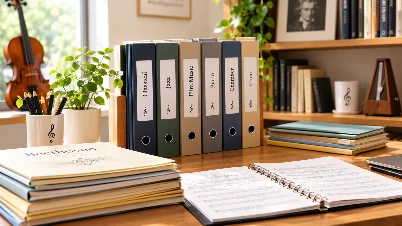
Whether you are a beginner learning your first instrument, an experienced performer preparing for concerts, or a music teacher managing classroom resources, keeping sheet music organized can make a significant difference in your musical journey. As your collection grows, finding the right composition, locating individual instrument parts, and tracking practice materials can become increasingly difficult without a reliable system.
A well-organized personal music library saves time, supports consistent practice, and helps you make better use of the compositions you collect. With digital resources, printed scores, and practical filing methods, you can create a music library that suits your needs. Sheet Music International offers resources for discovering classical compositions and exploring sheet music to support your learning and performance goals.
1. Decide How to Organize Your Music Collection
The first step in building a personal music library is choosing a consistent organization method. The best approach depends on how you use your sheet music and how large your collection has become.
Musicians who focus on a single instrument may prefer organizing scores by difficulty level or musical style. Teachers may benefit from arranging materials by student level, lesson topic, or teaching objective. Orchestra performers might organize their collections by composer, composition, and individual instrument part.
Consider creating categories such as:
-
Classical compositions
-
Piano and keyboard music
-
Instrumental practice exercises
-
Vocal music and hymns
-
Orchestra and ensemble repertoire
-
Examination and audition pieces
-
Concert and performance programs
Choose a structure that makes sense for your routine. Avoid creating too many folders or categories, as an overly complicated system can make searching more difficult.
2. Organize Digital Sheet Music with Clear File Names
Digital sheet music makes it possible to maintain a large collection without filling shelves with printed pages. However, downloading files without organizing them can quickly create a cluttered computer or tablet.
Start by creating a main folder called Music Library. Inside it, create subfolders for composers, instruments, or musical categories. Choose one primary method and apply it consistently.
Use descriptive file names that include the composer, composition title, and instrument when appropriate. For example, a file containing a piano score by Beethoven might be named using the composer's surname, the work's title, and the instrument.
If you maintain several editions of the same composition, include edition details or publication information to distinguish them.
A consistent naming system is especially useful when searching for Beethoven sheet music or locating a specific movement from a larger composition. It also reduces the risk of practicing from an outdated or incorrect file.
3. Build Your Library with Reliable Sheet Music Resources
Finding suitable compositions is an important part of maintaining a useful music library. Musicians may collect scores for practice, teaching, rehearsals, performances, or personal enjoyment.
Sheet Music International provides a resource for exploring classical compositions and discovering repertoire from different composers. Browsing organized collections can help you identify pieces that match your musical interests and performance goals.
When searching for free music scores PDF, check the details before saving a file. Confirm the composer's name, composition title, instrumentation, and edition. Make sure the notation is readable and that all required pages are included.
Also verify the copyright status and permitted uses of each score. Many historical compositions are in the public domain in numerous countries, but modern arrangements, editorial content, and published editions may have separate copyright protections.
Keeping reliable information about where a score came from can help you locate the original source and confirm usage permissions later.
4. Create a Separate System for Printed Sheet Music
Although digital libraries are convenient, printed music remains useful for lessons, rehearsals, and performances. A physical filing system helps protect your scores and makes them easy to retrieve.
Use labeled binders, folders, or archival sleeves to group compositions according to your chosen categories. Store frequently used pieces in an accessible location and keep rarely used repertoire in a separate section.
For loose pages, check that every composition is complete and arranged in the correct order. Numbering pages can help prevent confusion when scores are moved between folders.
Avoid storing printed music in damp areas or exposing it to excessive sunlight, as these conditions can damage paper and make notation difficult to read.
If you annotate scores during practice, use clear markings and preserve an unmarked copy when possible. This allows you to return to the original version when preparing a different interpretation or teaching the piece to another musician.
5. Maintain a Music Library Inventory
As your collection grows, an inventory can help you track the music you own and identify what you still need.
A simple spreadsheet can include the composer, composition title, instrument, difficulty level, format, file location, and copyright information. You can also record whether a piece is currently being practiced, prepared for a concert, or stored for future use.
For example, a pianist might record a Beethoven sonata alongside other classical works, noting the edition and current practice status. A music teacher could use the same approach to identify suitable pieces for students at different levels.
An inventory also helps prevent duplicate downloads and unnecessary purchases. When preparing a concert or lesson, you can quickly determine whether you already have the required score.
Review your inventory periodically and update it whenever you add, remove, or replace a composition.
6. Back Up Your Digital Music Library
Digital files can be lost because of hardware failures, accidental deletion, or device problems. Regular backups help protect the time and effort invested in building your collection.
Keep a backup on an external storage device or a reputable cloud storage service. If you use multiple devices, make sure the latest versions are synchronized and that your folder structure remains consistent.
Protect important annotations and customized practice copies as well as the original scores. If you edit files or create performance sets, retain a separate copy of the source material.
For printed collections, consider keeping digital copies where permitted. This can be useful if a page becomes damaged or a score needs to be accessed away from home.
7. Keep Your Collection Useful and Up to Date
A personal music library should support your current goals rather than simply accumulate files. Review your collection regularly and remove duplicate or incomplete files. Move finished practice pieces into an archive instead of deleting music you may want to revisit.
Organize current repertoire separately so that the pieces you need for upcoming lessons, auditions, and performances remain easy to find.
You can also create playlists or listening notes that correspond to your scores. Listening to a composition while following the notation can improve your understanding of phrasing, rhythm, and musical structure.
Sheet Music International can help you continue exploring classical repertoire as your interests and abilities develop.
Build a Music Library That Supports Your Progress
Creating an organized personal music library does not require complicated software or expensive equipment. A consistent folder structure, clear file names, a basic inventory, and regular backups can make managing sheet music much easier.
Whether you are collecting Beethoven sheet music for piano practice or searching for free music scores PDF to explore new repertoire, take time to verify each score and store it appropriately.
With a practical organization system and resources such as Sheet Music International, you can spend less time searching for music and more time learning, practicing, teaching, and performing.

Comments
Login to Comment