Can Microneedling for Acne Scars help old scars
16 Sep, 2026
6 Views 0 Like(s)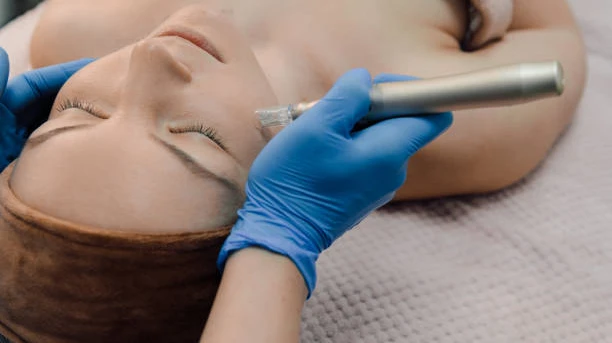
Microneedling may improve the appearance of older acne scars by stimulating collagen and promoting smoother, more even-looking skin.
Old acne scars can remain noticeable for years after breakouts have disappeared, especially when they have changed the skin's natural texture. For people exploring Microneedling for Acne Scars in Abu Dhabi, an important question is whether a treatment designed to stimulate collagen can still make a difference to scars that have been present for a long time. Microneedling creates controlled microscopic channels in the skin, encouraging a natural repair response and collagen remodeling. Because this process works with the skin's structural renewal mechanisms, established acne scars may still be considered for treatment when their type and condition are appropriate.
Why Old Acne Scars Remain Visible
Acne scars are different from temporary marks left after a breakout. A true scar develops when inflammation affects deeper layers of the skin and changes the normal collagen structure during healing.
Once the acne has cleared, these structural changes can remain. Depressed scars may create visible indentations, while other scars can produce uneven or irregular texture.
Time alone does not necessarily restore the original structure of scarred skin. This is why people with long-standing acne scars may continue to notice uneven areas even when their complexion is otherwise healthy.
How Microneedling Works on Established Scars
Microneedling uses fine needles to create controlled microchannels in the skin. This stimulation activates the body's natural repair process and encourages collagen and elastin production.
Collagen is essential for maintaining the skin's structure and support. When acne has disrupted the collagen network, stimulating new collagen may help improve the appearance of suitable scars.
The process is gradual rather than immediate. As new collagen develops and reorganizes, the texture of the treated area may become smoother and more uniform.
Can Microneedling Help Old Acne Scars?
Yes, microneedling may help improve certain established acne scars. The fact that a scar is old does not automatically mean that it cannot respond to collagen stimulation.
The most important considerations are the scar's type, depth, shape, and underlying structure. Certain depressed scars may be more suitable for microneedling than other forms of scarring.
A professional assessment can determine whether the characteristics of an old scar make it appropriate for this type of collagen-focused treatment.
Why Scar Type Matters
Not all acne scars respond in the same way. Some are broad and shallow, while others are narrow or deeply indented. Raised scars also have a different structure from depressed scars.
Microneedling is primarily associated with improving certain textural irregularities through collagen remodeling. Therefore, identifying the specific type of scar is more useful than considering its age alone.
An evaluation can help distinguish structural scarring from flat pigmentation marks and determine whether microneedling matches the primary concern.
The Importance of Collagen Remodeling
Collagen remodeling is central to the way microneedling may improve established acne scars. The controlled microchannels encourage the skin to begin a new repair process.
As collagen is produced, the underlying skin structure can gradually become more organized. This may soften the appearance of depressions and improve the transition between scarred and unaffected areas.
Because the process occurs beneath the surface, visible results usually develop progressively. The skin continues remodeling after the treatment itself has taken place.
Can Long-Standing Scars Become Smoother?
Long-standing acne scars can potentially become less noticeable when suitable areas respond to collagen stimulation. As the skin remodels, irregularities may appear softer and the overall texture may become more even.
The degree of improvement varies from person to person. Scar depth, skin condition, collagen response, and treatment planning can all influence the outcome.
Microneedling should therefore be viewed as a way to improve the appearance of appropriate scars rather than a guarantee that every old scar will disappear.
Does the Age of a Scar Affect Treatment?
Scar age can be relevant, but it is not necessarily the deciding factor. A scar that has existed for many years may still have skin capable of responding to controlled stimulation.
However, older scars may have well-established structural characteristics. A professional assessment can examine these features and determine whether collagen remodeling is a suitable strategy.
The focus should be on the current condition and structure of the scar rather than simply how long it has been present.
Can Microneedling Improve Old Depressed Scars?
Depressed scars are among the acne-scar types for which collagen stimulation may be considered. These scars occur when changes in the deeper skin structure create visible indentations.
Microneedling encourages new collagen formation, which may gradually improve the appearance of these depressions. As the treated tissue remodels, the contrast between the scar and surrounding skin can become less noticeable.
The response depends on the depth and structure of each scar, so professional evaluation remains important.
What About Old Acne Marks?
It is important to distinguish old acne scars from old acne marks. A flat mark may primarily involve a change in pigmentation, whereas a scar changes the physical structure or texture of the skin.
Microneedling focuses mainly on collagen stimulation, making it particularly relevant to certain structural scars. A professional assessment can identify whether the concern involves texture, pigmentation, or both.
This distinction helps ensure that treatment goals are realistic and appropriately focused.
Can Microneedling Treat Scars That Are Years Old?
The skin continues to undergo repair and renewal throughout adulthood, meaning that scars that are several years old can still be evaluated for treatment.
Established scars may not respond in exactly the same way as newer scars, but their age alone does not rule out microneedling.
The characteristics of the scar remain the most important consideration. A professional can assess whether its depth, shape, and location make it appropriate for collagen-stimulating treatment.
How Many Treatments May Be Needed?
Old acne scars may require a treatment plan involving multiple microneedling sessions, depending on their characteristics and the desired degree of improvement.
Each session stimulates another stage of collagen production and remodeling. Time between treatments allows the skin to progress through its natural repair cycle.
There is no universal number of sessions that applies to everyone. Treatment planning should be personalized according to scar depth, skin condition, and individual response.
When Do Results Become Noticeable?
Microneedling results develop gradually because collagen production is a biological process. The skin begins its repair response after treatment, while collagen continues to form and remodel over time.
As this process progresses, old acne scars may become less noticeable and the surrounding skin may appear smoother.
The timeline differs between individuals, so progress should be evaluated over time rather than judged by the immediate appearance of the treated area.
Can Results From Old Scars Last?
When appropriate acne scars improve through collagen remodeling, the structural changes can be long-lasting. The treatment is not simply creating a temporary surface effect.
However, skin naturally continues to age and change. Collagen production evolves over time, and new acne can create additional scars.
Long-lasting improvement is therefore possible, but it should not be interpreted as a promise that the skin will remain completely unchanged indefinitely.
Why Professional Assessment Matters
A professional assessment is especially valuable when dealing with old acne scars. Established scars can vary greatly in depth and structure, and the most appropriate treatment depends on these differences.
The skin can also be evaluated for current acne activity, pigmentation, texture, and other factors that may influence treatment planning.
This individualized approach helps determine whether microneedling is suitable and establishes realistic expectations for improving long-standing scars.
Setting Realistic Expectations
Microneedling is not intended to erase acne scars instantly. Its purpose is to encourage collagen production and gradual skin remodeling.
For suitable old scars, the realistic objective is to make the scars less noticeable, improve uneven texture, and create a more uniform-looking complexion.
Some scars may respond more noticeably than others. Understanding this variability can help people approach treatment with realistic expectations and patience.
Final Thoughts
Microneedling may help improve certain old acne scars by stimulating collagen and encouraging gradual remodeling of the skin. The age of a scar alone does not determine whether treatment can be considered; its type, depth, shape, and current condition are more important factors.
Established depressed scars may respond particularly well to a collagen-focused approach when they are appropriately selected for treatment. However, microneedling is designed to improve the appearance of suitable scars rather than promise complete removal.
A professional assessment can determine whether old acne scars are appropriate for microneedling and help establish realistic expectations about the gradual process of skin remodeling.
FAQs
Can microneedling help old acne scars?
Yes, it may improve certain established acne scars by stimulating collagen and encouraging gradual skin remodeling.
Are years-old acne scars treatable?
Some long-standing scars can be considered for microneedling depending on their type, depth, and structure.
Can microneedling improve depressed scars?
It may improve certain depressed scars by encouraging new collagen formation within the treated skin.
Does scar age determine treatment suitability?
Not by itself. The scar's structure and the current condition of the skin are important factors.
Are results from old scars permanent?
Improvement can be long-lasting, although the skin naturally continues to change with age and new acne can create additional scarring.

Comments
Login to Comment