Types of Inventory Control Labels Used in Modern Businesses
16 Sep, 2026
7 Views 0 Like(s)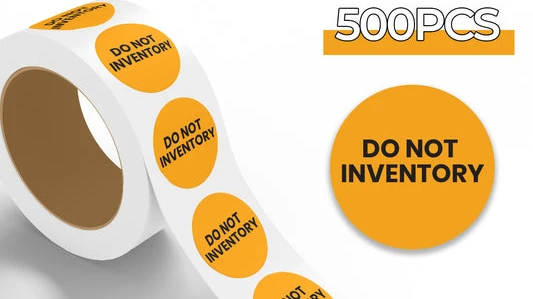
Inventory control labels help businesses clearly communicate the status of products, materials, and storage items. From Counted, Do Not Use, and Scrap to Use First, Return To Stock, and Move To Stock, these labels reduce confusion, support organized workflows, improve inventory handling, and help employees quickly identify what action to take.
Keeping track of inventory sounds simple until a business starts handling hundreds or thousands of products. Items move from receiving to storage, from storage to production, and eventually to shipping. Along the way, some products need to be counted, some need to be returned to stock, and others may need to be held back or removed.
This is where inventory control labels become useful. Instead of relying entirely on spreadsheets, verbal instructions, or lengthy paperwork, businesses can use clear labels to communicate the status of inventory at a glance.
Modern warehouses, manufacturing facilities, retailers, and fulfillment operations use different types of inventory labels depending on what is happening with their stock.
What Are Inventory Control Labels?
Inventory control labels are pre-printed or customized labels used to identify the condition, status, or movement of products and materials.
A simple word such as “Counted,” “Use First,” “Do Not Use,” or “Return To Stock” can immediately tell an employee what should happen next.
The collection referenced for this article includes several practical labels in both circle and rectangular formats, including Empty, Do Not Use, Return To Stock, Use First, Scrap, Destroy, Counted, Move To Stock, and Do Not Inventory labels.
Let's look at how each type can fit into everyday inventory workflows.
1. Empty Inventory Labels
An Empty label can be used to identify a bin, shelf, container, or storage location that currently has no inventory.
This is particularly helpful in busy warehouses where employees need to identify storage status quickly. Instead of checking every shelf manually, a visible label can communicate that the location needs attention or replenishment.
When used consistently, this type of labeling can also make routine restocking easier.
2. Do Not Use Labels
Sometimes inventory is physically present but should not be used.
For example, products may be damaged, under review, outdated, or waiting for another process. A Do Not Use label provides a clear visual reminder that the item should remain out of normal circulation.
This simple distinction can help prevent employees from accidentally picking or using inventory that has been separated from regular stock.
3. Return To Stock Labels
Products that have been inspected and are ready to return to inventory can be marked with Return To Stock labels.
This is useful when products move between departments or are temporarily removed from shelves. Rather than leaving employees guessing about their status, the label provides a direct instruction.
It can be especially useful for returns, unused materials, or products that have completed a required inspection.
4. Use First Labels
The Use First label is useful when certain products should be consumed or moved before newer inventory.
This can support FIFO-style inventory practices, where older stock is used before newer stock. It can be particularly helpful for businesses handling products or materials where storage time matters.
Placing a clear Use First label directly on the relevant item makes the instruction visible to employees during picking and handling.
5. Scrap Labels
Not every item in inventory remains usable.
A Scrap label can identify materials or products that are no longer intended for normal sale or use. This helps separate scrap from active inventory and reduces the possibility of an employee accidentally returning it to regular stock.
Clear labeling is especially useful when multiple categories of inventory are stored close together.
6. Destroy Labels
Some items may need to be permanently removed rather than simply placed aside.
A Destroy label can identify inventory that has been designated for destruction or disposal. It provides a straightforward visual instruction for employees handling those materials.
Using consistent labels can also make it easier for different teams to understand the status of items without relying on verbal explanations.
7. Counted Labels
Inventory counts are a routine part of warehouse and stock management. A Counted label can indicate that a particular item, container, or storage location has already been included in a counting process.
The collection includes Counted labels in different formats and colors, including circle and rectangular options.
This can be useful during cycle counts or larger inventory audits because employees can quickly distinguish counted inventory from locations that still need attention.
8. Move To Stock Labels
Sometimes products are ready to move from receiving, production, inspection, or another holding area into regular inventory.
A Move To Stock label can make that status immediately clear. Instead of requiring employees to check paperwork or ask another department, the label communicates that the item is ready for the next step.
This type of visual communication can help keep inventory moving through a facility in an organized way.
9. Do Not Inventory Labels
Some materials may be present in a facility but should not be included in regular inventory counts.
A Do Not Inventory label can help distinguish these items from stock that needs to be tracked. This can be useful for samples, display materials, equipment, supplies, or other items that fall outside a company's standard inventory process.
Clearly separating these items can help reduce confusion during counting activities.
Choosing the Right Inventory Control Labels
The right labeling system depends on how your business handles inventory.
A small warehouse may only need a few basic labels, while a large fulfillment operation may use several types throughout different departments. The most important thing is consistency.
Use clear terminology that employees understand and place labels where they can be seen during normal handling. Circle labels can work well for quick visual identification, while rectangular formats may provide a larger area for clear messaging. The collection includes both formats across several inventory control categories.
It is also helpful to review your labeling system periodically. As inventory processes change, your labels should change with them.
Make Inventory Management Easier With Clear Labeling
Good inventory management is not just about knowing how much stock you have. It is also about knowing what should happen to that stock next.
Whether an item needs to be counted, used first, returned to storage, moved into stock, separated, scrapped, or destroyed, the right inventory control labels can make that information visible immediately.
When combined with organized storage, inventory software, employee training, and regular stock checks, clear labeling can help create a more consistent workflow and reduce avoidable confusion across busy business environments.
For businesses dealing with large volumes of products, a simple label can often communicate in seconds what might otherwise require a conversation, a document check, or a system lookup.



Comments
Login to Comment