How Counselling Can Help You Cope With Loneliness and Emotional Isolation
16 Sep, 2026
18 Views 0 Like(s)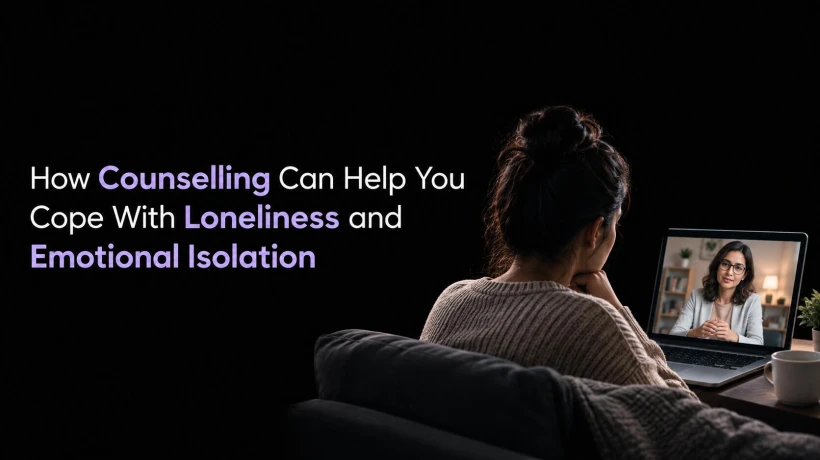
Struggling with loneliness or emotional isolation? Discover how counselling can help you understand your emotions and develop healthier ways to cope.
Loneliness can affect anyone, even when they are surrounded by friends, family, coworkers, or other people. You may feel disconnected, misunderstood, or emotionally distant despite having regular social interactions. When these feelings continue for a long time, they can affect your confidence, relationships, motivation, and overall emotional well-being. Counselling for loneliness can provide a safe and supportive space to understand these feelings and work toward healthier ways of connecting with yourself and others. Speaking with a trained counsellor can help you identify what may be contributing to your loneliness and develop practical ways to cope with emotional isolation.
What is Loneliness and Emotional Isolation?
Loneliness is more than simply being alone. It is often the feeling that you lack meaningful emotional connection or that others do not truly understand you.
Emotional isolation can occur even when you regularly interact with people. For example, you may have coworkers, friends, or family members around you but still feel unable to share your thoughts and emotions openly.
Some common signs include:
-
Feeling disconnected from others
-
Finding it difficult to talk about your emotions
-
Feeling misunderstood or left out
-
Avoiding social situations
-
Losing interest in activities you once enjoyed
-
Constantly feeling empty or alone
-
Struggling to build or maintain relationships
-
Having negative thoughts about yourself or your social life
Recognising these feelings is an important first step toward addressing them.
How Counselling for Loneliness Can Help
Here are some ways counselling can help you manage loneliness:
1. Provides a Safe Space to Talk
One of the biggest benefits of counselling is having a confidential space where you can express yourself without fear of judgment.
If you often keep your feelings to yourself, talking to a counsellor can make it easier to put those emotions into words. You can discuss experiences, worries, relationship difficulties, or personal struggles at your own pace.
Being heard and understood can itself provide a sense of emotional support.
2. Helps You Understand the Reasons Behind Your Loneliness
Loneliness can have different causes. Major life changes, relationship problems, moving to a new place, social anxiety, low self-esteem, grief, or past experiences can all contribute to feelings of isolation.
Counselling can help you look at the factors behind your loneliness rather than simply trying to distract yourself from it.
Understanding where these feelings come from can help you identify what needs to change.
3. Helps You Challenge Negative Self-Talk
Loneliness can sometimes lead to negative beliefs such as:
-
“Nobody wants to be around me.”
-
“I have nothing interesting to say.”
-
“People will eventually leave me.”
-
“I don't fit in anywhere.”
When these thoughts become frequent, they can make social situations feel even more difficult.
Counselling can help you recognise unhelpful thought patterns and develop more balanced ways of thinking about yourself, relationships, and social experiences.
4. Builds Confidence in Social Situations
If you have been isolated for a long time, reconnecting with people may feel uncomfortable or overwhelming.
Counselling can help you gradually build confidence in social interactions. You may work on communication, expressing your needs, setting boundaries, starting conversations, or handling uncomfortable social situations.
Small changes can make it easier to develop meaningful connections over time.
5. Improves Emotional Awareness
Sometimes loneliness is difficult to explain because several emotions may be involved at once. You might feel sad, frustrated, anxious, rejected, or disappointed without knowing exactly why.
Counselling can help you recognise and understand these emotions. Greater emotional awareness can make it easier to communicate your needs and respond to difficult situations in healthier ways.
6. Helps You Develop Healthier Relationships
Loneliness can sometimes be connected to relationship patterns that make it difficult to feel emotionally close to others.
Counselling can help you reflect on how you communicate, respond to conflict, trust others, and maintain boundaries. You can learn healthier ways to build relationships based on honesty, respect, and mutual understanding.
The goal is not simply to have more people around you but to develop connections that feel meaningful and supportive.
7. Supports You During Major Life Changes
Life transitions can increase feelings of isolation. Moving away from home, starting a new job, ending a relationship, losing someone important, or entering a new stage of life can all change your social environment.
Counselling can provide emotional support while you adjust to these changes and help you find practical ways to create a sense of connection again.
Can Online Counselling Help With Loneliness?
For some people, online counselling can make seeking support more comfortable and convenient. You can speak with a counsellor from a familiar environment without needing to travel to an office.
This can be particularly helpful if leaving home feels difficult or if your schedule makes in-person appointments challenging.
However, the right counselling format depends on your personal preferences, circumstances, and mental health needs.
What Can You Do Alongside Counselling?
Counselling can be an important part of coping with loneliness, but everyday habits can also support emotional well-being.
Consider taking small steps such as:
-
Staying in touch with someone you trust
-
Joining a class, hobby group, or community activity
-
Spending time outdoors
-
Creating a regular daily routine
-
Limiting excessive social media use if it increases feelings of isolation
-
Practising self-compassion
-
Making time for activities you genuinely enjoy
-
Being open to gradually meeting new people
You do not need to make major changes immediately. Consistent, manageable steps can make social connection feel more achievable.
When Should You Consider Counselling?
Feeling lonely from time to time is a normal human experience. However, if loneliness continues for weeks or months and begins affecting your daily life, relationships, work, studies, sleep, or overall mood, it may be worth seeking professional support.
You may also consider counselling if you:
-
Feel isolated even when you are around others
-
Avoid social situations because of fear or discomfort
-
Have difficulty forming close relationships
-
Frequently feel hopeless or emotionally overwhelmed
-
Struggle with low self-worth
-
Find it difficult to manage your emotions alone
A mental health professional can help you understand what you are experiencing and identify appropriate ways to cope.
Final Thoughts
Loneliness does not mean that something is wrong with you. It can be a response to life circumstances, relationship difficulties, emotional challenges, or a lack of meaningful connection. You do not have to deal with these feelings alone.
Counselling for loneliness can give you a supportive environment to understand your emotions, improve self-confidence, strengthen communication skills, and work toward healthier relationships. If loneliness has started affecting your everyday life, reaching out for professional support can be a meaningful step forward. Zenup Health offers professional mental health support for those dealing with loneliness, emotional isolation, and other personal challenges. Speaking with the right mental health professional can be a meaningful step toward understanding your emotions and creating a stronger sense of connection and well-being.



Comments
Login to Comment