How is Laser Skin Tightening performed?
16 Sep, 2026
6 Views 0 Like(s)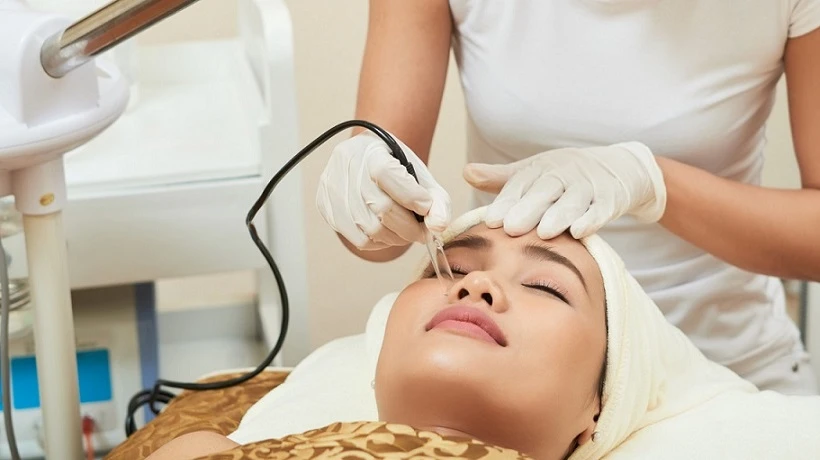
Laser Skin Tightening is a non-surgical treatment that uses controlled energy to heat deeper skin layers, stimulate collagen production, and gradually improve firmness and the appearance of mild to moderate loose skin.
Laser Skin Tightening is a non-surgical cosmetic procedure that uses controlled energy to improve the appearance of loose or lax skin. The energy is delivered into selected layers of the skin, where it creates carefully controlled heat and encourages collagen production. People considering شد الجلد بالليزر في دبي should consult a qualified healthcare professional to determine whether the treatment is appropriate for their skin condition and cosmetic goals.
The procedure may be used on areas such as the face, jawline, neck, under the chin, arms, abdomen, and thighs. It is generally intended for mild to moderate skin laxity rather than large amounts of hanging or excess skin.
What Happens Before Laser Skin Tightening?
The process usually begins with a consultation and skin assessment. The healthcare professional examines the treatment area and discusses the patient’s concerns, expectations, medical history, medications, allergies, and previous cosmetic procedures.
The provider may ask about recent sun exposure, skin sensitivity, active acne, infections, wounds, previous laser treatments, and any history of pigmentation changes. These details help determine whether laser tightening is suitable and which technology or energy settings may be appropriate.
The professional should also explain the expected benefits, possible side effects, recovery time, number of sessions, and realistic results. Laser Skin Tightening can improve firmness, but it does not provide the same level of correction as surgery when significant excess skin is present.
Preparing The Treatment Area:
Before the procedure, the skin is gently cleansed to remove makeup, oil, creams, and other impurities. The treatment area is checked for redness, irritation, swelling, infection, or damage.
The skin should be clean and dry before the energy-based device is applied. Protective measures are used according to the instructions for the selected device. Depending on the technology, the professional may use cooling equipment, protective eyewear, or a topical product to improve comfort and protect the skin.
Patients should inform the provider if they have recently used strong skincare products, received another cosmetic procedure, or experienced unusual skin reactions.
How Is The Energy Delivered?
During Laser Skin Tightening, the professional places or moves the treatment handpiece over the selected area. The device delivers controlled energy into the skin while the provider monitors the response.
The energy creates heat in the deeper skin layers. This controlled heating may cause existing collagen fibres to contract slightly and may stimulate fibroblast activity. Fibroblasts are cells involved in the production of collagen and other structural components of the skin.
As new collagen develops and existing fibres remodel, the skin may gradually appear firmer, smoother, and more supported. The exact mechanism depends on the type of technology used. Some devices use laser energy, while others use radiofrequency or another controlled energy source.
What Does The Patient Feel During Treatment?
Patients may experience warmth, tingling, pressure, or brief pulses of heat during the procedure. The sensation depends on the device, energy level, treatment area, skin sensitivity, and individual comfort.
Some technologies include cooling systems that help protect the skin’s surface and make the treatment more comfortable. The professional may adjust the settings if the patient experiences excessive heat or discomfort.
Laser Skin Tightening should not cause severe pain. Patients should immediately tell the provider if the treatment feels unusually painful, intensely hot, or uncomfortable.
How Long Does A Session Take?
The length of a Laser Skin Tightening session depends on the size of the treatment area and the technology being used. A small facial area may require less time than the abdomen, thighs, or another larger body area.
The complete appointment may include consultation, cleansing, preparation, energy delivery, cooling, and aftercare instructions. Patients should allow additional time if they are receiving treatment for the first time or need a detailed skin assessment.
The provider can explain the expected appointment length before the procedure begins.
What Happens Immediately After Treatment?
After the energy has been delivered, the professional checks the treated skin and may apply a soothing or cooling product if appropriate. The skin may appear slightly red, warm, swollen, or sensitive.
These effects are often temporary and may settle within a short period. The level and duration of recovery depend on the device, energy settings, treatment area, and individual skin response.
Patients may be able to return to normal activities soon after treatment, but they should follow the specific aftercare instructions provided by the healthcare professional.
What Aftercare Is Required?
Aftercare helps protect the skin and support recovery. Patients may be advised to:
- Avoid direct sun exposure
- Apply broad-spectrum sunscreen daily
- Use gentle skincare products
- Avoid harsh exfoliation for the recommended period
- Avoid excessive heat, such as saunas, if instructed
- Avoid rubbing or scratching the treated area
- Follow any recommended moisturising routine
- Attend follow-up appointments when required
Sun protection is especially important because ultraviolet exposure can damage collagen and contribute to further skin ageing. Patients should not introduce strong active ingredients or undergo another cosmetic procedure without professional advice.
When Do Results Appear?
Some patients may notice a subtle improvement in firmness soon after treatment. However, the main results usually develop gradually as collagen production and remodelling take place.
Visible improvement may continue over several weeks or months. The results depend on the patient’s age, skin elasticity, degree of laxity, lifestyle, treatment technology, and individual healing response.
Some patients may need a series of sessions to achieve the desired improvement. The number and timing of treatments should be decided by the treating professional rather than by a fixed package or general promise.
Is Laser Skin Tightening Suitable For Everyone?
Laser Skin Tightening is not appropriate for every patient. People with active skin infections, open wounds, severe irritation, recent procedures, or certain medical conditions may need to postpone treatment.
Patients who are pregnant, breastfeeding, taking certain medications, or prone to pigmentation changes should discuss these factors before treatment. Possible side effects include redness, swelling, tenderness, pigmentation changes, burns, or prolonged irritation.
A qualified professional should assess the skin and use an appropriate device with suitable safety precautions.
Can Laser Tightening Remove Excess Skin?
Laser Skin Tightening may improve mild to moderate laxity, but it does not remove large amounts of excess skin. Patients with significant hanging skin may require surgical treatment, such as a facelift, neck lift, arm lift, or body lift.
The most appropriate option depends on the treatment area, amount of excess skin, skin elasticity, general health, and personal expectations.
Frequently Asked Questions:
Is Laser Skin Tightening a surgical procedure?
No. It is generally a non-surgical treatment that uses controlled energy instead of incisions or skin removal.
Does the procedure require anaesthesia?
General anaesthesia is usually not required. Comfort measures depend on the device and treatment method.
How many sessions are needed?
The number of sessions depends on the degree of laxity, treatment area, technology, and individual response.
Is there downtime after treatment?
Many patients experience little downtime, although temporary redness, warmth, swelling, or sensitivity may occur.
When should results be expected?
Early changes may appear shortly after treatment, while collagen-related improvement usually develops over several weeks or months.
Conclusion:
Laser Skin Tightening is performed by delivering controlled energy into selected layers of the skin to create controlled heat and stimulate collagen production. The procedure usually includes consultation, skin preparation, energy delivery, monitoring, and aftercare guidance. It may improve firmness and the appearance of mild to moderate loose skin without surgery. Results develop gradually and vary between individuals. A qualified healthcare professional should assess the skin, explain realistic expectations, and determine whether laser tightening or another treatment is appropriate.

Comments
Login to Comment