Are You Following the Right Maintenance Schedule for Your Ho
09 Nov, 2026
16 Views 0 Like(s)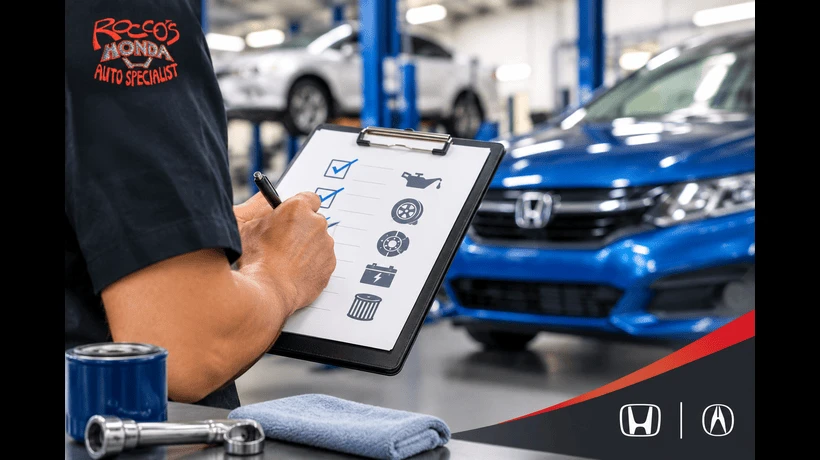
Are You Following the Right Maintenance Schedule for Your Honda or Acura?
Owning a Honda or Acura comes with confidence. These vehicles are known for their reliability, performance, and long-lasting value. But even a dependable vehicle needs regular care. Are you keeping up with its maintenance schedule, or do you usually wait until something feels wrong?
Searching for a Honda And Acura Specialist near me often happens when a warning light appears or an unusual noise starts. However, regular maintenance can prevent many stressful situations. Knowing when to change fluids, inspect brakes, or replace worn parts makes it easier to care for your vehicle before problems develop.
Let's look at what your Honda or Acura needs and how to stay on top of its maintenance schedule.
Why Does Following a Maintenance Schedule Matter?
Your vehicle's maintenance schedule helps protect important components from unnecessary wear and keeps your car performing as expected.
For example, old engine oil cannot protect moving parts as effectively as fresh oil. Similarly, worn brake pads can affect stopping performance, while neglected transmission fluid may contribute to shifting problems.
Following the recommended schedule can help you:
● Reduce the chances of unexpected breakdowns.
● Maintain smooth engine and transmission performance.
● Identify small issues before they become expensive repairs.
● Support better fuel efficiency.
● Protect your vehicle's long-term value.
Think of maintenance as a way to look after your investment rather than an expense you can keep postponing.
Are You Keeping Up With These Essential Maintenance Tasks?
Every Honda and Acura model has different service requirements. Your driving habits, vehicle age, mileage, and road conditions also influence when certain services are needed.
Here are some important areas you should monitor.
1. Engine Oil and Filter Changes
Engine oil reduces friction between moving parts and helps control heat inside the engine. Over time, oil breaks down and collects dirt and other contaminants.
Check your owner's manual or Maintenance Minder system for the recommended oil change interval. Using the correct oil grade and replacing the filter when needed supports better engine performance.
2. Brake System Inspections
Have you noticed a squealing sound when applying the brakes? Does the brake pedal feel different?
These signs deserve attention. Brake pads, rotors, brake fluid, and other components need regular inspection. Routine checks can identify wear before it affects your ability to stop safely.
3. Transmission Fluid Service
Your transmission plays an important role in delivering power to the wheels. Old or contaminated fluid can affect shifting and contribute to unnecessary wear.
Follow the service recommendations for your specific Honda or Acura transmission. Avoid assuming that every model requires the same service interval.
4. Tire Rotation and Suspension Checks
Tires do not always wear evenly. Regular rotation helps distribute wear and may extend tire life. It is also worth checking tire pressure, alignment, and suspension components during scheduled maintenance.
Uneven tire wear, vibrations, or unusual handling can indicate that something needs attention.
5. Battery and Cooling System Checks
A weak battery can leave you dealing with a vehicle that refuses to start. Meanwhile, cooling system problems can cause engine overheating.
Ask your technician to inspect battery condition, coolant levels, hoses, and related components as recommended for your vehicle.
Are You Relying Only on Mileage?
Mileage is important, but it should not be your only guide. Short trips, heavy traffic, extreme temperatures, and frequent stop-and-go driving can place additional demands on your vehicle.
Many newer Honda and Acura models use a Maintenance Minder system that tracks operating conditions and displays service reminders. Pay attention to these alerts instead of ignoring them.
If you drive an older model, keep a simple maintenance record with service dates, mileage, and completed repairs.
When Should You Visit a Honda and Acura Specialist?
You do not need to wait for a warning light or strange noise before booking an inspection. Regular servicing by technicians familiar with Honda and Acura vehicles can help identify model-specific maintenance needs.
A specialist can explain which services are due, which can wait, and why a particular repair is recommended. This makes it easier to plan your maintenance budget without feeling pressured into unnecessary work.
Final Analysis:
A reliable vehicle still needs consistent attention. Following the right maintenance schedule can make everyday driving more predictable and reduce the risk of avoidable repairs.
Keep track of service reminders, follow your manufacturer's recommendations, and address unusual changes early. If a major engine problem occurs, understanding the factors that influence Honda Engine Replacement Cost can also help you prepare financially.
Taking care of your Honda or Acura today can make a meaningful difference in how it performs tomorrow.


Comments
Login to Comment