Why Are Americans Questioning Government Spending Priorities
09 Nov, 2026
18 Views 0 Like(s)
Discover why Americans are questioning government spending priorities, demanding transparency, and debating whether public money should serve people's needs.
Government spending has always been a subject of public debate in the United States. From healthcare and education to infrastructure and national security, Americans expect their tax dollars to support programs that improve everyday life. However, when major government projects attract attention while ordinary households struggle with rising expenses, questions about spending priorities become difficult to ignore.
The debate is not simply about how much money the government spends. It is about where that money goes, who benefits, and whether elected officials understand what matters most to the people they represent. Recent controversies surrounding government projects, including discussions about a proposed White House ballroom, have brought these concerns into sharper focus.
1. Everyday Expenses Are Changing Public Expectations
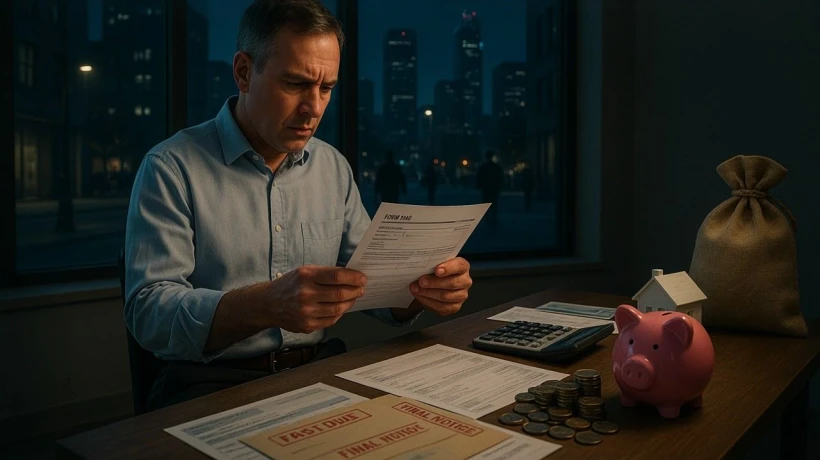
For many American families, managing everyday expenses has become a major challenge. Housing, groceries, healthcare, transportation, and education all compete for a limited household budget.
Naturally, taxpayers want their government to recognize these financial pressures. They expect public resources to address meaningful challenges rather than become associated with projects that appear disconnected from ordinary people's experiences.
This growing concern explains why government spending decisions receive so much attention. People want to understand whether their money is being directed toward essential services and long-term improvements.
2. The White House Ballroom Controversy Raises Bigger Questions
Government buildings and official spaces have historically undergone renovations and improvements. However, expensive or highly visible projects can attract criticism when citizens believe more urgent needs deserve attention.
The White House ballroom controversy illustrates this broader debate. Supporters of government projects may emphasize functionality, official events, and institutional needs. Critics, meanwhile, question whether such spending reflects the priorities of ordinary taxpayers.
The disagreement goes beyond architecture or interior design. It raises an important question: should public spending focus on symbolic projects or measurable improvements in people's lives?
That question has made political satire particularly relevant. Shove That Ballroom apparel reflects the frustration of people who believe government leaders should face public scrutiny when making spending decisions.
3. Taxpayer Transparency and Accountability Matter
Americans do not necessarily oppose every government expense. Instead, many want clearer explanations of how public money is allocated and what results taxpayers can expect.
Transparency helps citizens understand the reasoning behind major expenditures. It also gives journalists, watchdog organizations, and voters opportunities to evaluate whether officials are using public resources responsibly.
Accountability matters just as much. Government agencies should explain project costs, provide meaningful updates, and demonstrate that spending decisions follow established procedures.
Without these safeguards, even potentially useful projects can become symbols of waste or misplaced priorities.
4. Essential Public Services Remain a Major Concern
While political controversies attract headlines, many Americans remain focused on practical government responsibilities.
Healthcare affordability, Social Security, education, infrastructure, public safety, and support for veterans are important areas of public concern. According to an Associated Press-NORC survey examining government priorities for 2026, approximately seven in ten Americans mentioned at least one economic issue as a priority.
These findings highlight an important distinction: citizens may disagree about individual policies, but they consistently expect government decisions to address problems affecting everyday life.
This is why this ballroom controversy tee can connect with a wider conversation about public accountability. Its message uses humor to question whether political leaders are paying enough attention to taxpayers' actual concerns.
5. Political Satire Gives Frustrated Citizens a Voice
Political satire has long provided Americans with a way to challenge authority, express disagreement, and participate in public conversations.
A humorous slogan can communicate frustration more directly than a lengthy political argument. It can also encourage discussions about transparency, government priorities, and responsible leadership.
For people who enjoy making political statements through everyday fashion, a government spending satire shirt offers a bold way to express their perspective.
Of course, wearing political merchandise does not replace informed discussion or civic participation. However, humor can make complicated political debates more approachable and encourage people to ask important questions.
6. Better Spending Decisions Begin With Public Accountability
Questioning government spending is not automatically opposition to government itself. It is a fundamental part of democratic participation.
Citizens have every reason to ask whether projects deliver genuine public value, whether costs are justified, and whether essential services receive appropriate attention.
Ultimately, responsible spending requires transparency, careful planning, and a willingness to listen to public concerns. Government leaders should be prepared to explain their decisions and demonstrate how those decisions serve the broader population.
The ballroom debate is one example of a much larger conversation about taxpayer money and political responsibility. Whether people express their opinions through voting, public discussion, journalism, or political satire, the underlying message remains clear: public resources should reflect public priorities.


Comments
Login to Comment