How Presidential Legacy Projects Shape America's History
09 Nov, 2026
5 Views 0 Like(s)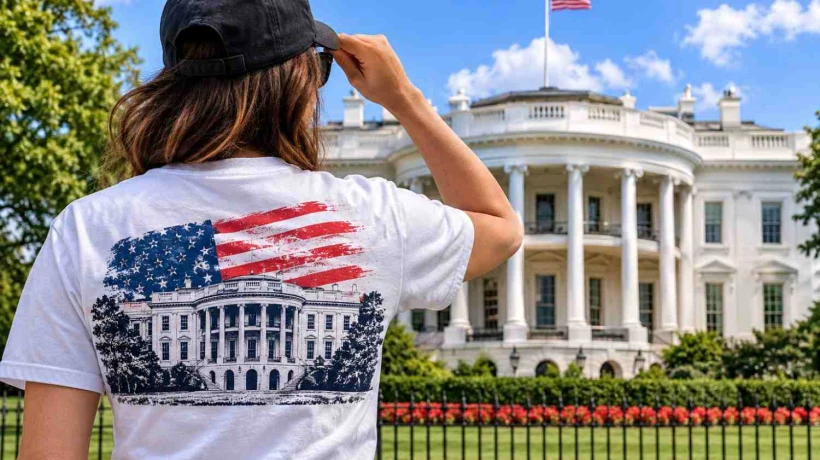
Explore how presidential legacy projects shape America's history, influence public opinion, spark political debates, and reflect the ambitions of those in power
Presidents often leave office hoping their achievements will be remembered long after their administrations end. Some build institutions, establish national monuments, preserve historical records, or launch ambitious architectural projects. Others focus on transforming important public spaces into symbols of their leadership. Whatever the approach, presidential legacy projects frequently generate an important question: Should a leader's personal vision shape national history, or should public interests always come first?
Across American history, these projects have represented ambition, political influence, national identity, and sometimes controversy. While supporters view them as opportunities to celebrate leadership and create lasting landmarks, critics question their costs, priorities, and long-term value. Understanding this debate requires looking beyond the buildings themselves and considering what they represent to future generations.
1. Why Presidents Invest in Lasting Legacy Projects
Presidential legacy projects are rarely just construction or preservation efforts. They often communicate how a president wants future generations to understand their administration. Libraries, museums, monuments, memorials, and major public developments can preserve historical achievements while creating a recognizable connection between a leader and a particular moment in American history.
Franklin D. Roosevelt helped establish the modern presidential library tradition. His library in Hyde Park, New York, was dedicated in 1941 and became the foundation for a system designed to preserve presidential records and make them accessible to the public. Congress later formalized this approach through the Presidential Libraries Act of 1955.
These institutions demonstrate how legacy projects can serve meaningful educational purposes. They allow researchers, students, and ordinary citizens to examine historical documents, understand government decisions, and evaluate presidential leadership.
However, the desire to leave a memorable legacy can also encourage leaders to prioritize highly visible projects. The challenge is distinguishing genuine public benefits from developments primarily intended to enhance an individual's political image.
2. Public Money, Private Ambition, and Accountability
One of the biggest disagreements surrounding presidential legacy projects involves financial responsibility. Large construction and renovation projects can require substantial funding, long-term maintenance, and complex arrangements involving public agencies and private organizations.
Supporters argue that well-designed projects can generate tourism, create employment opportunities, improve public spaces, and preserve important national history. A successful museum or memorial, for example, can become an educational destination that benefits its surrounding community for decades.
Critics, however, emphasize that public resources should be allocated according to broader national priorities. They question whether expensive architectural developments deserve attention when communities face challenges involving infrastructure, healthcare, education, housing, and economic opportunity.
Financial transparency becomes particularly important when private donors contribute to projects involving public property or historically significant locations. Citizens deserve clear information about who funds a development, who benefits from it, and who remains responsible for its maintenance.
Ultimately, a presidential legacy project should demonstrate measurable public value rather than relying entirely on the prestige of its association with a former or current president.
3. Historic Preservation Versus Modern Presidential Visions
Another important part of the debate concerns the balance between preserving America's architectural heritage and allowing presidents to introduce new designs.
Historic government buildings and public landmarks represent more than physical structures. Their architecture, materials, and surrounding landscapes reflect different periods of American political and cultural development. Altering these places can therefore raise questions about national identity and historical responsibility.
Presidents naturally want government spaces to reflect their administration's priorities. Modern security requirements, accessibility improvements, and practical upgrades can justify certain changes. Nevertheless, major alterations deserve careful consideration when they affect historically significant buildings.
The White House is an especially important example because it belongs to the American public, not to any individual administration. Its architectural character has developed over generations, making significant renovations a matter of national interest.
The disagreement is not necessarily about whether change should happen. It is about who should approve that change, what standards should guide it, and whether historical preservation receives sufficient consideration.
4. Political Satire and the Public's Right to Disagree
Presidential legacy projects can also become powerful symbols of political disagreement. When citizens believe a leader's priorities are disconnected from everyday concerns, architecture and construction decisions can attract criticism far beyond their original purpose.
This is where political satire becomes relevant. Humor, parody, and provocative clothing provide people with accessible ways to express frustration, question authority, and participate in public conversations.
For example, a provocative ballroom-themed shirt can communicate criticism through humor while drawing attention to wider questions about presidential spending, architectural ambition, and public accountability.
Similarly, a presidential legacy satire tee can turn a complicated political discussion into a recognizable cultural statement. Instead of relying on lengthy explanations, satirical designs use memorable language and visual messaging to encourage conversations about leadership and government priorities.
Such expressions are part of a broader tradition of political commentary in American culture. People have long used cartoons, slogans, posters, and apparel to challenge public figures and question government decisions.
Satire does not automatically provide a complete policy argument, but it can encourage people to investigate issues, exchange perspectives, and think more critically about political power.
5. How Presidential Projects Shape Future Generations
The lasting impact of a presidential project cannot be measured simply by its size, construction cost, or popularity during its opening ceremony. Its real significance becomes clearer over time.
A successful legacy project can educate future generations, preserve valuable historical materials, support local communities, and provide spaces for public engagement. Presidential libraries, for example, allow historians to examine original records rather than depending exclusively on political speeches or retrospective accounts.
On the other hand, projects that lack broad public support or require excessive maintenance can become lasting reminders of questionable priorities. A development initially promoted as a historic achievement may eventually be remembered for financial controversies, environmental concerns, or disputes over preservation.
This is why independent oversight, historical research, and public participation matter. Decisions made today can influence how Americans experience their shared spaces decades later.
Future generations should inherit projects that serve meaningful public purposes, not simply structures designed to reinforce the reputation of a particular political figure.
6. What Should Define a Presidential Legacy?
A president's legacy should ultimately be judged by more than monuments, impressive buildings, or ambitious renovation plans. Economic decisions, institutional stability, public services, democratic accountability, and the long-term consequences of government policies are equally important measures of leadership.
Physical projects can contribute positively to national identity when they preserve history and provide lasting benefits. However, they should complement responsible governance rather than replace it.
The public also deserves a meaningful role in decisions involving nationally significant spaces. Transparency, consultation, historical preservation, and responsible spending help ensure that presidential ambitions remain accountable to the people.
The debate over presidential legacy projects is therefore much bigger than architecture. It concerns democratic ownership, political influence, public priorities, and the responsibility leaders carry when making decisions that outlast their time in office.
Ultimately, the strongest presidential legacy is not necessarily the most expensive or visually impressive project. It is the contribution that continues serving the American people long after the political attention surrounding its creation has disappeared.



Comments
Login to Comment