Why Choose a Dermatologist for Skin Lesion Removal
29 Oct, 2026
14 Views 0 Like(s)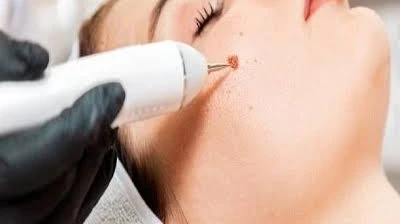
Healthy skin is an important part of overall well-being, but skin growths, marks, and abnormalities can develop at different stages of life.
Healthy skin is an important part of overall well-being, but skin growths, marks, and abnormalities can develop at different stages of life. These changes may include skin tags, moles, warts, cysts, and other types of lesions. While many are harmless, some require careful examination to determine their nature and the most appropriate treatment.
Choosing a dermatologist for skin lesion removal in Abu Dhabi offers access to specialised knowledge of skin conditions, diagnostic assessment, and medical treatment techniques. A dermatologist can examine the affected area, identify characteristics that require further investigation, and recommend an appropriate approach based on the patient's individual needs.
Professional removal is not simply about eliminating a visible growth. It also involves understanding why the lesion has developed, determining whether treatment is necessary, and selecting a procedure that supports appropriate skin care. This combination of assessment and treatment helps patients make informed decisions about their skin health.
Specialised Knowledge of Different Skin Lesions
Dermatologists receive specialised training in diagnosing and managing conditions that affect the skin, hair, and nails. This knowledge is particularly valuable when different lesions appear similar but have different underlying causes.
Accurate Assessment of Skin Tags
Skin tags are small, soft growths that commonly develop around the neck, underarms, eyelids, and other areas where skin surfaces rub together. They are generally benign but may become bothersome when they catch on clothing or jewellery.
A dermatologist can assess whether a growth is consistent with a skin tag and determine whether removal is appropriate. This is important because other skin conditions may sometimes resemble skin tags.
Professional Evaluation of Moles
Moles are common skin growths that may be flat or raised and vary in colour. Many remain unchanged for years, but changes in size, shape, colour, or texture should be evaluated by a qualified professional.
A dermatologist can examine a mole and determine whether observation, removal, or additional diagnostic testing is appropriate. When necessary, a biopsy may be recommended to establish a diagnosis before or during treatment.
Treatment of Warts and Other Growths
Warts are commonly associated with certain strains of human papillomavirus. Their location and characteristics influence the treatment selected. Dermatologists can assess the lesion and recommend a suitable method, which may include cryotherapy or another appropriate procedure.
Other growths, including seborrheic keratoses and cysts, may also require professional evaluation. A specialist can help distinguish between conditions and determine the next steps based on clinical findings.
Access to Appropriate Skin Lesion Removal Techniques
Different lesions require different treatment methods. A dermatologist can select a procedure according to the lesion's size, depth, location, suspected diagnosis, and treatment objectives.
Cryotherapy
Cryotherapy uses controlled cold, commonly liquid nitrogen, to treat selected skin lesions. It may be appropriate for certain warts and other superficial growths. A dermatologist determines whether the technique is suitable after assessing the affected area.
Surgical Excision
Surgical excision involves removing a lesion with a medical cutting instrument. It may be recommended when complete removal is necessary or when tissue must be examined in a laboratory. The procedure is planned according to the lesion's characteristics and location.
Shave Removal
Shave removal involves removing selected raised lesions at or near the skin's surface. It may be appropriate for certain benign growths following examination. The dermatologist considers the lesion's depth and suspected nature before recommending this approach.
Curettage
Curettage involves using a specialised instrument to remove selected skin growths. It may be suitable for certain superficial lesions when the dermatologist determines that the procedure is appropriate.
Laser-Based Treatment
Laser treatment may be considered for specific superficial skin concerns. However, it is not suitable for every lesion. If a growth has suspicious characteristics or requires tissue analysis, another technique may be more appropriate.
The availability of different methods allows the dermatologist to tailor treatment to the individual lesion rather than using a single approach for every patient.
Early Identification of Skin Changes
One important reason to consult a dermatologist is the opportunity to identify skin changes that require further investigation. Although many lesions are benign, some may have features that warrant closer examination.
A dermatologist can evaluate changes in colour, shape, size, border, or surface texture. A lesion that changes unexpectedly, develops several colours, or looks noticeably different from other moles should receive prompt medical assessment.
Depending on the findings, the dermatologist may recommend monitoring, a biopsy, or removal followed by laboratory examination. This approach helps establish an accurate diagnosis and ensures that treatment decisions are guided by the lesion's characteristics.
Patients should not assume that a lesion is harmless simply because it has been present for a long time. Professional assessment is particularly important when a growth changes or its nature is uncertain.
Personalised Treatment Planning
Every skin lesion is different, and treatment should reflect the patient's individual circumstances. A dermatologist considers the lesion's type, location, size, depth, and appearance before recommending a procedure.
For example, a small raised growth may be suitable for one technique, while a deeper lesion or one requiring diagnostic examination may need a different approach. The patient's medical history, skin characteristics, and treatment preferences may also influence planning.
During the consultation, the dermatologist explains the recommended procedure, what it involves, and what the patient can reasonably expect from treatment. Patients can ask questions about preparation, healing, and aftercare before deciding whether to proceed.
Personalised planning helps ensure that treatment is based on clinical needs and realistic expectations rather than cosmetic appearance alone.
Professional Standards and Patient Care in Abu Dhabi
When looking for skin lesion removal in Abu Dhabi, patients can consider hospital dermatology departments, specialist dermatology services, and appropriately equipped medical facilities that offer skin procedures.
The qualifications and experience of the treating dermatologist are important considerations. Patients should also look for clear communication, appropriate hygiene standards, informed consent procedures, and access to diagnostic testing when needed.
A suitable facility should explain the proposed treatment and provide instructions for caring for the treated area. It should also have arrangements for laboratory examination of tissue when clinically indicated and follow-up appointments when necessary.
Choosing a professional setting that prioritises accurate assessment and individualised care helps patients understand the treatment process and make informed decisions.
What to Expect Before and After the Procedure
Before treatment, the dermatologist will usually review relevant medical history and examine the lesion. Patients should mention any allergies, medications, previous skin procedures, or changes in the affected area.
The dermatologist then explains the removal method, preparation requirements, and expected healing process. If the diagnosis is uncertain, additional testing may be recommended before proceeding.
After treatment, patients receive instructions for caring for the affected area. These may include guidance on cleaning the skin, changing dressings when necessary, and protecting the treated site during healing.
Recovery depends on the technique used, the lesion's size and location, and individual healing characteristics. Follow-up may be recommended to assess recovery or discuss laboratory findings. Following professional guidance helps patients understand the healing process and know when further medical advice is appropriate.
Frequently Asked Questions
Why should I choose a dermatologist for skin lesion removal in Abu Dhabi?
A dermatologist has specialised knowledge of skin conditions and can assess different types of lesions, recommend appropriate removal methods, and identify situations that require further investigation. This supports informed treatment decisions based on the patient's individual needs.
Can a dermatologist remove all types of skin lesions?
Many lesions can be treated by dermatologists, but the appropriate approach depends on the diagnosis and clinical findings. Some lesions require additional testing or referral before removal can be considered.
Is a consultation necessary before skin lesion removal?
Yes. A consultation helps establish the likely nature of the lesion, determine whether removal is appropriate, and identify the most suitable procedure. It also provides an opportunity to discuss treatment expectations and aftercare.
Which removal technique is best for skin lesions?
There is no single technique that is best for every lesion. Cryotherapy, surgical excision, shave removal, curettage, and selected laser procedures may be appropriate in different circumstances. The dermatologist selects the method after assessment.
Will a dermatologist examine a suspicious mole?
Yes. A mole that changes in size, shape, colour, or texture should be assessed. Depending on the findings, the dermatologist may recommend further examination, a biopsy, or removal with laboratory analysis.
Does every removed lesion require laboratory testing?
No. Laboratory examination is not necessary for every lesion. However, it may be recommended when the diagnosis is uncertain or the lesion has concerning features. The dermatologist can explain whether testing is appropriate.
How long does it take to recover after skin lesion removal?
Recovery varies according to the removal method, the size and location of the lesion, and individual healing characteristics. The dermatologist will provide guidance about expected healing and appropriate aftercare.
How can I select a suitable dermatologist in Abu Dhabi?
Consider professional qualifications, experience in assessing and treating skin lesions, access to diagnostic facilities, clear communication, and follow-up arrangements. Choose a service that examines the lesion before recommending treatment and explains the proposed procedure.
Conclusion
Choosing a dermatologist for skin lesion removal in Abu Dhabi provides access to specialised skin assessment, appropriate treatment options, and individualised medical guidance. Whether the concern involves a skin tag, wart, mole, cyst, or another growth, an accurate diagnosis is an essential first step.
A dermatologist can determine whether removal is appropriate, select a suitable technique, and explain the preparation and aftercare required. By prioritising professional expertise, diagnostic assessment, and clear communication, patients can make informed decisions about their skin health while working towards their desired appearance.
The most important consideration is not simply removing a visible lesion, but ensuring that the treatment is appropriate for the specific skin concern and supports long-term skin health.

Comments
Login to Comment