Steel Wire Rod Prices Trend Analysis with Index and Quarterly Forecast Prices
29 Oct, 2026
12 Views 0 Like(s)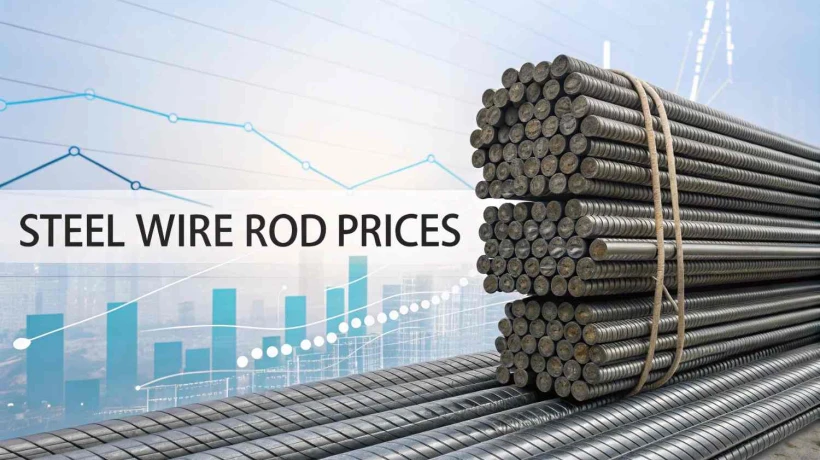
These regional variations in Steel Wire Rod Prices highlight differences in production costs, raw material availability, industrial demand, and regional supply-chain conditions.
Global steel wire rod prices increased across all four reported regions in September 2026, with North America recording the highest price at USD 1.4/Kg, followed by Europe at USD 0.75/Kg, India at USD 0.55/Kg, and Northeast Asia at USD 0.52/Kg. The reported increases ranged from 0.7% in North America to 5.8% in India. These regional variations in Steel Wire Rod Prices highlight differences in production costs, raw material availability, industrial demand, and regional supply-chain conditions.
Steel wire rod is an important intermediate product used in construction, automotive components, fasteners, wire manufacturing, and industrial equipment. Price movements influence procurement budgets for steel processors, construction suppliers, and manufacturers of wire-based products. Monitoring the IMARC Price Index alongside regional quotations helps buyers evaluate sourcing alternatives, manage input-cost exposure, and plan purchasing contracts according to production requirements and market conditions.
For detailed insights, charts, and forecasts, explore:
https://www.imarcgroup.com/steel-wire-rod-pricing-report/requestsample
Regional Steel Wire Rod Prices Outlook – September 2026: Where Are Prices Highest?
- Northeast Asia: USD 0.52/Kg (4.0% ↑ Up)
- Europe: USD 0.75/Kg (2.7% ↑ Up)
- India: USD 0.55/Kg (5.8% ↑ Up)
- North America: USD 1.4/Kg (0.7% ↑ Up)
North America recorded the highest reported steel wire rod price in September 2026 at USD 1.4/Kg, while Northeast Asia reported the lowest at USD 0.52/Kg. Europe recorded USD 0.75/Kg, and India stood at USD 0.55/Kg. All four regions experienced increases, although the magnitude varied considerably.
India recorded the strongest reported increase at 5.8%, followed by Northeast Asia at 4.0%, Europe at 2.7%, and North America at 0.7%. These differences may reflect variations in raw material costs, steelmaking economics, local demand, and logistics. However, the supplied data does not establish the precise contribution of individual factors to the regional price movements.
Regional Price Analysis of Steel Wire Rod Prices – September 2026
Northeast Asia
Steel wire rod prices in Northeast Asia reached USD 0.52/Kg in September 2026, representing an increase of 4.0%. The upward movement is relevant to steel processors and manufacturers purchasing wire rod for construction products, fasteners, wire drawing, and industrial applications. Regional quotations may be influenced by billet costs, steel mill operating conditions, energy expenses, and downstream manufacturing demand. Buyers should monitor supplier offers, production schedules, and inventory levels when planning replenishment and evaluating contract terms.
Europe
Europe recorded steel wire rod prices of USD 0.75/Kg, increasing by 2.7% in September 2026. The movement affects purchasing considerations for construction suppliers, wire manufacturers, automotive component producers, and industrial fastener manufacturers. Production expenses, metallic input costs, energy requirements, and distribution conditions can influence regional pricing. Procurement teams should compare offers on a consistent grade and delivery basis while reviewing supplier availability and anticipated consumption to manage material costs effectively.
India
Steel wire rod prices in India stood at USD 0.55/Kg in September 2026, registering the strongest reported increase among the supplied regions at 5.8%. The movement is relevant to construction, infrastructure, wire drawing, fastener production, and engineering applications. Regional prices can be influenced by steel billet availability, manufacturing costs, infrastructure-related demand, and transportation expenses. Buyers should monitor mill quotations, input costs, and order schedules while assessing the benefits of contract purchasing and maintaining appropriate inventory coverage.
North America
North American steel wire rod prices reached USD 1.4/Kg in September 2026, increasing by 0.7%. Although this was the smallest reported percentage increase, the region recorded the highest supplied price. The market serves construction, automotive, industrial fastener, and wire manufacturing applications. Procurement costs may be affected by steelmaking inputs, domestic production conditions, logistics, and demand from downstream manufacturers. Buyers should compare supplier quotations, evaluate material specifications, and review delivery terms when planning purchases.
Supply and Demand Overview – September 2026
Steel wire rod supply depends on steelmaking capacity, billet availability, rolling mill operations, energy costs, and distribution infrastructure. The production process converts steel billets into long, coiled products that can subsequently be drawn into wire or used in other industrial applications. Changes in raw material costs, mill utilization, and transportation expenses can influence regional supply conditions and delivered prices.
Demand intensity varies across downstream industries:
- Construction and Infrastructure: Demand is associated with reinforcing products, mesh, binding wire, and other construction-related applications.
- Automotive Manufacturing: Wire rod is used in selected components, fasteners, springs, and other automotive products.
- Fasteners: Manufacturers use wire rod as a feedstock for bolts, screws, nails, and related products.
- Wire Manufacturing: Drawing operations convert wire rod into different wire diameters for industrial and commercial uses.
- Engineering and Industrial Equipment: Wire rod supports the manufacture of springs, cables, and specialized components, depending on grade.
The September 2026 data indicates upward price movements across all four reported regions. However, without production, inventory, and consumption figures, the precise supply-demand balance cannot be quantified. Buyers should monitor steelmaking inputs, mill availability, and downstream order volumes to assess future procurement costs.
Key Factors Affecting Prices – Monthly/Quarterly Perspective
- Raw Material Availability: Steel billet costs and the availability of iron-bearing inputs influence wire rod production economics. Changes in raw material supply can affect mill quotations.
- Downstream Demand: Construction, automotive manufacturing, fastener production, and wire drawing contribute to demand. Changes in infrastructure activity and industrial orders can influence purchasing volumes.
- Logistics: Freight, warehousing, handling, and distribution expenses affect delivered prices. Transportation requirements can influence regional supplier competitiveness.
- Energy Costs: Steelmaking and rolling operations require substantial energy. Changes in electricity and fuel costs can affect production expenses and selling prices.
- Trade Dynamics: Imports, exports, regional production availability, and cross-border transportation influence market competition. Trade conditions can affect sourcing alternatives and delivered costs.
Recent Developments (September 2026 Highlights)
- Industry Developments: Steel wire rod continues to support construction, automotive, fastener, and wire manufacturing supply chains, maintaining its importance as an intermediate steel product.
- Supply Developments: Steel billet availability, rolling mill operating conditions, and inventory management remain important variables for producers and downstream buyers.
- Logistics Developments: Freight costs and distribution arrangements influence the delivered cost of wire rod, particularly for buyers sourcing from distant production centers.
- Demand and Production Developments: Construction activity, automotive manufacturing, and industrial production influence purchasing requirements and the utilization of steel processing capacity.
Steel Wire Rod Price Chart Analysis – Monthly Movement
The September 2026 observations show upward movements across all four supplied regions. India recorded the largest increase at 5.8%, followed by Northeast Asia at 4.0%, Europe at 2.7%, and North America at 0.7%. These figures establish reported regional movements but do not provide a complete daily or weekly price series.
- Early September: No separate early-month observations were supplied, so the precise price direction at the beginning of the month cannot be established.
- Mid-September: The supplied data does not include a distinct mid-month price point to verify whether increases accelerated or moderated.
- Late September: The reported September figures show increases in all four regions, but the exact timing of the changes within the month is unavailable.
Price charts help procurement managers compare regional quotations and monitor price movements when consistent historical observations are available. Combined with production schedules, inventory requirements, and supplier lead times, chart analysis can support purchasing budgets, contract negotiations, and material planning.
Steel Wire Rod Price Index & Historical Analysis
The September 2026 regional observations indicate an upward pricing direction across all four markets. India recorded the largest reported increase at 5.8%, while North America registered the smallest at 0.7%. North America also had the highest supplied price at USD 1.4/Kg, compared with USD 0.52/Kg in Northeast Asia.
A complete historical assessment requires comparable observations from previous periods. Since no historical price series or index baseline was supplied, longer-term trends and historical percentage changes cannot be quantified. Steel billet costs, energy expenses, rolling mill availability, and demand from construction and manufacturing remain important structural factors in interpreting future price developments.
Three structural drivers are particularly relevant:
- Raw Material Availability: Steel billet supply and the cost of iron-bearing inputs influence wire rod manufacturing costs.
- Production and Processing Capacity: Steelmaking output, rolling mill utilization, and maintenance schedules affect the availability of finished wire rod.
- Downstream Manufacturing Cycles: Construction, automotive production, fastener manufacturing, and wire drawing influence demand and purchasing volumes.
For procurement planning, buyers should compare current quotations with verified historical observations and equivalent product specifications. Monitoring regional prices alongside raw material costs and downstream orders can help businesses assess cost exposure and refine purchasing schedules.
What Is Steel Wire Rod?
Steel wire rod is a semi-finished steel product manufactured by hot rolling billets into long, coiled lengths with a generally circular cross-section. It serves as a feedstock for wire drawing and other manufacturing operations. Depending on its chemical composition and mechanical properties, steel wire rod can be processed into products for construction, automotive, engineering, and general industrial applications.
Commercial grades vary according to carbon content, alloy composition, diameter, surface quality, and intended use. These characteristics determine whether the material is suitable for fasteners, springs, wire products, reinforcement applications, or specialized engineering components.
Its primary applications include:
- Construction: Used as feedstock for binding wire, welded wire products, and selected reinforcement-related materials.
- Fastener Manufacturing: Processed into nails, bolts, screws, and other fastening products.
- Automotive Components: Used in the production of selected springs, fasteners, and formed metal components.
- Wire Drawing: Converted into thinner wire for industrial, commercial, and construction applications.
- Industrial Engineering: Used in manufacturing springs, cables, and other components according to the required grade.
For manufacturers and distributors, steel wire rod procurement requires careful evaluation of grade, diameter, mechanical properties, surface quality, and delivery conditions. These factors help ensure manufacturing consistency while controlling input costs.
Steel Wire Rod Price Forecast – Next 12 Months
Over the next 12 months, steel wire rod prices will depend on steel billet costs, energy expenses, rolling mill availability, construction activity, and downstream manufacturing demand. The September 2026 data shows increases in all four regions, but a single monthly observation is insufficient to establish whether prices will continue rising. A reliable forecast should account for changes in raw material costs, inventory, and purchasing activity.
Key growth drivers include:
- Infrastructure Investment: Higher construction and infrastructure activity could support demand for wire rod and related steel products.
- Automotive Manufacturing: Increased production of vehicles and components may strengthen demand for wire rod used in selected applications.
- Fastener Demand: Growth in construction, machinery, and industrial equipment can increase requirements for fasteners.
- Wire Product Consumption: Demand for drawn wire and related products may support wire rod purchasing.
- Higher Production Costs: Increases in billet, energy, and processing costs could place upward pressure on supplier quotations.
Potential risks include:
- Lower Steelmaking Input Costs: Declining billet or energy costs could ease manufacturing expenses.
- Weaker Construction Activity: Reduced infrastructure investment or building activity could moderate demand.
- Lower Industrial Production: A slowdown in automotive and manufacturing output could reduce purchasing requirements.
- Greater Supply Availability: Higher mill output or increased import availability could moderate regional prices.
- Inventory Accumulation: Excess stocks among distributors and manufacturers could reduce immediate replenishment demand.
Overall, the outlook will depend on the interaction between steelmaking costs, available production capacity, and downstream demand. Procurement teams should monitor regional quotations, billet prices, energy costs, mill operating conditions, and order volumes. Additional historical observations would be required to establish a more precise price forecast.
FAQs About Steel Wire Rod Prices Insights & Market Analysis
What does the Steel Wire Rod Price Index indicate in September 2026?
The September 2026 observations show upward movements in all four supplied regions. India recorded the largest increase at 5.8%, followed by Northeast Asia at 4.0%, Europe at 2.7%, and North America at 0.7%. North America had the highest supplied price at USD 1.4/Kg, while Northeast Asia recorded USD 0.52/Kg.
How does the Steel Wire Rod Price Chart help procurement managers?
A steel wire rod price chart helps procurement managers compare regional prices, monitor market movements, and assess potential input-cost changes. When combined with historical data, steel billet costs, supplier availability, and inventory requirements, chart analysis can support sourcing decisions, contract negotiations, and procurement budgeting.
What is the steel wire rod price forecast for the next 12 months?
The outlook depends on steel billet costs, energy expenses, mill availability, construction demand, and downstream manufacturing activity. Stronger demand or higher production costs could support prices, whereas lower input costs or weaker industrial activity could moderate them. The supplied September 2026 data does not support a precise numerical forecast.
How IMARC Pricing Database Can Help
The latest IMARC Group study, "Steel Wire Rod Prices, Trend, Chart, Demand, Market Analysis, News, Historical and Forecast Data 2026 Edition," provides a detailed analysis of steel wire rod price trends and global market dynamics. The report covers price movements, regional developments, demand patterns, supply conditions, and the factors influencing current and future prices.
The analysis examines the relationship between raw material costs, production conditions, downstream demand, logistics, trade flows, and regional market developments. By exploring the interaction between supply and demand, the pricing analysis provides businesses with useful insights into current market conditions and future pricing dynamics.
Explore pricing intelligence across 500+ commodities:
https://www.imarcgroup.com/pricing-intelligence
About Us:
IMARC Group is a global management consulting firm that provides a comprehensive suite of services to support market entry and expansion efforts. The company offers detailed market assessments, feasibility studies, regulatory approvals and licensing support, and pricing analysis, including spot pricing and regional price trends. Its expertise spans demand-supply analysis alongside regional insights covering Asia-Pacific, Europe, North America, Latin America, and the Middle East and Africa. IMARC also specializes in competitive landscape evaluations, profiling key market players, and conducting research into market drivers, restraints, and opportunities. IMARC's data-driven approach helps businesses navigate complex markets with precision and confidence.
Contact us:
IMARC Group
134 N 4th St. Brooklyn, NY 11249, USA
Email: sales@imarcgroup.com
Tel No: (D) +91 120 433 0800
United States: +1-201971-6302


Comments
Login to Comment