What Happens During Pimples Treatment in Dubai
22 Oct, 2026
6 Views 0 Like(s)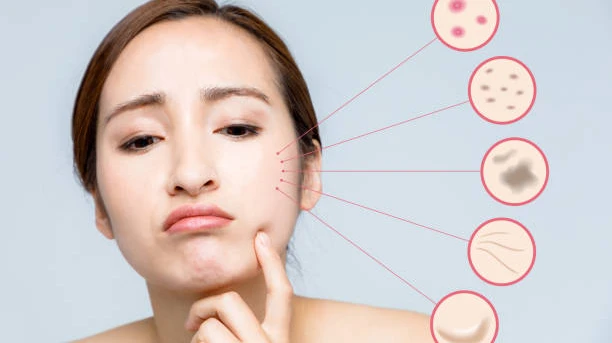
Learn what to expect during Pimples Treatment in Dubai, from the initial skin assessment to treatment planning, aftercare, and follow-up.
Understanding each stage of Pimples Treatment in Dubai can help you feel more prepared before your appointment. The process typically begins with an assessment of your skin and medical history, followed by a discussion of suitable treatment options and the steps needed to monitor your progress.
The exact experience depends on your acne type, its severity, and whether the recommended approach involves topical products, prescription medication, or an in-clinic procedure. Not every patient needs a procedure, and treatment plans should be tailored to individual needs.
The First Stage of Pimples Treatment in Dubai
Your first appointment provides an opportunity to explain your concerns and help the clinician understand your skin.
Reviewing Your Skin and Medical History
The clinician may ask when your breakouts began, which areas are affected, and whether the pimples are painful or leave marks. You may also be asked about previous treatments, allergies, current medication, and skincare products.
This information helps identify factors that may influence the choice of treatment. It can also help distinguish acne from other conditions that may produce similar-looking bumps or redness.
Assessing the Type of Acne
Acne may involve blackheads, whiteheads, inflamed pimples, or deeper nodules. The type and severity of lesions help determine whether a basic skincare plan is reasonable or whether medical treatment is needed.
If you have deep, painful breakouts or developing scars, mention them during the assessment. These symptoms may warrant more prompt medical management.
How Your Treatment Plan Is Selected
Following the assessment, the clinician can explain potential approaches and their limitations. The plan may be adjusted over time depending on your response.
Pimples Treatment in Dubai With Topical Products
For some patients, topical products or prescription creams may be recommended to help manage blocked pores and inflammation. These products should be used according to instructions because some active ingredients can cause dryness, peeling, or irritation.
A gentle cleanser, suitable moisturiser, and sunscreen may support your routine, depending on your skin and the treatment selected.
Medication or In-Clinic Procedures
Moderate or severe acne may require prescription medication. Selected procedures may be considered for particular skin concerns, but they are not suitable for everyone and may not replace medical treatment for severe inflammatory acne.
Before agreeing to a procedure or medication, ask about expected benefits, possible side effects, preparation, and follow-up requirements.
Read More: Hair Transplant in Al Ain for Dubai Residents Seeking Natural Results
What to Expect During an In-Clinic Procedure
If a procedure is recommended, the experience depends on the technique and the concern being treated. The provider should explain what will happen, how long the appointment may take, and what you may feel during or after treatment.
You should also receive clear instructions about aftercare and any temporary restrictions. Do not assume every acne procedure has the same recovery time or produces the same results.
How to Prepare for Your Appointment
A little preparation can make your consultation more useful.
-
Make a list of skincare products and medicines you currently use.
-
Note any allergies or previous adverse reactions.
-
Explain which treatments you have already tried and whether they helped.
-
Mention pregnancy, plans for pregnancy, or breastfeeding before discussing medication.
-
Prepare questions about costs, treatment duration, and possible side effects.
-
Follow any specific preparation instructions provided by the clinic.
Avoid starting several new active skincare products immediately before your appointment unless advised to do so.
Aftercare and Follow-Up
Aftercare depends on the treatment. Some patients may need only routine skincare guidance, while others may receive specific instructions following a procedure or prescription treatment.
Follow the instructions provided, avoid picking pimples, and contact your healthcare professional if you experience unexpected or significant irritation. Attend follow-up appointments when recommended so that progress and tolerability can be reviewed.
Acne improvement is usually gradual rather than immediate. If the initial plan is not effective enough, the clinician may need to reassess your condition or consider alternatives.
Personalised Pimples Treatment in Dubai at Tajmeels Clinic
At Tajmeels Clinic, a consultation provides an opportunity to discuss your skin concerns and explore appropriate options. Sharing your treatment history, main priorities, and any sensitivity or irritation can help inform the conversation.
The aim should be to develop a realistic plan based on your individual skin condition, with clear guidance on treatment expectations and aftercare.
Arrange a personalised consultation with Tajmeels Clinic to discuss what approach may be suitable for your acne concerns.
Frequently Asked Questions
Will my skin be examined during the first appointment?
The clinician may examine the affected areas and ask about your symptoms, skincare routine, and medical history to help assess the condition and discuss suitable options.
Does Pimples Treatment in Dubai hurt?
The experience depends on the treatment. Topical products may cause temporary irritation, while some procedures can cause discomfort. Ask about expected sensations and ways to manage them before proceeding.
Can I wear makeup after acne treatment?
It depends on the treatment and your skin's response. After some procedures, you may need to wait before applying makeup. Follow the aftercare instructions provided by your clinician.
How many appointments will I need?
There is no fixed number. Some treatment plans require follow-up reviews or multiple sessions, while others focus on medication and home care. Your individual plan will determine the schedule.
When should I contact the clinic after treatment?
Contact your healthcare professional if you experience significant irritation, worsening symptoms, or an unexpected reaction. Seek urgent care for severe reactions or signs of a serious infection.
Medical Disclaimer: This article is for educational purposes only and does not replace professional medical advice, diagnosis, or treatment. Treatment steps and outcomes vary according to individual needs. Consult a qualified healthcare professional for personalised guidance.


Comments
Login to Comment