What are the different types of teeth whitening?
30 Oct, 2026
12 Views 0 Like(s)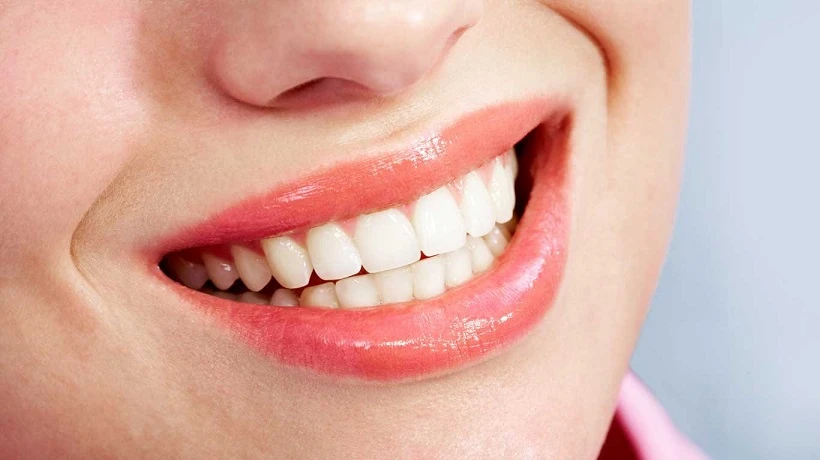
Explore different types of teeth whitening, including professional and at-home treatments, to reduce stains and achieve a brighter, more confident smile.
Teeth whitening is a popular cosmetic dental treatment designed to reduce stains and discoloration, helping natural teeth appear brighter and cleaner. Everyday habits, aging, coffee, tea, tobacco use, and certain foods can gradually affect tooth color. Fortunately, several whitening methods are available to improve smile appearance. Each option offers different benefits, treatment timelines, and levels of effectiveness. Understanding the different types of teeth whitening can help individuals choose an appropriate approach based on their dental health and cosmetic goals. Those interested in تبييض الأسنان في دبي can explore suitable treatment options following a dental consultation.
What Are the Main Types of Teeth Whitening?
Teeth whitening methods generally include professional in-office treatments, dentist-supervised home whitening, and over-the-counter products. The most appropriate option depends on the type of discoloration, tooth sensitivity, and desired results.
Professional In-Office Teeth Whitening:
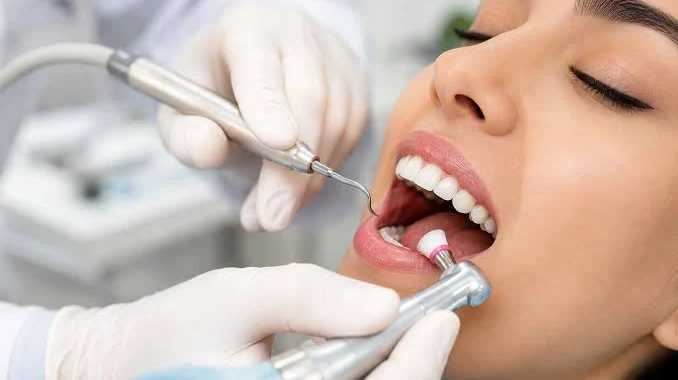
Professional in-office whitening is performed by a qualified dental professional using specially formulated whitening products. These products commonly contain hydrogen peroxide or carbamide peroxide.
Before treatment, the dentist examines the teeth and gums and protects the surrounding soft tissues. A whitening gel is then applied to the teeth according to the product instructions.
Depending on the whitening system, the procedure may take approximately 30 to 90 minutes. Some patients notice visible improvements after one appointment.
Benefits include:
-
Professional supervision throughout treatment.
-
Controlled application of whitening products.
-
Faster visible improvements for many patients.
-
A treatment approach based on individual dental needs.
Dentist-Supervised At-Home Whitening:
Dentist-supervised home whitening uses customized trays and professional whitening gel. The trays are designed to fit the patient's teeth and distribute the whitening product evenly.
Patients apply the gel according to the dentist's instructions. Treatment generally takes several days or weeks, depending on the product concentration and recommended schedule.
This option is convenient for people who prefer gradual whitening at home while receiving professional guidance.
Whitening Strips:
Whitening strips are thin, flexible products coated with whitening ingredients, often containing hydrogen peroxide. They are placed directly over the teeth for the period specified by the manufacturer.
They can help reduce certain surface stains and improve natural tooth color. However, results vary according to product formulation and the severity of discoloration.
Whitening Toothpaste:
Whitening toothpaste mainly helps remove surface stains through gentle polishing ingredients. Some products contain additional ingredients designed to help reduce discoloration.
Although whitening toothpaste can help maintain a cleaner-looking smile, it generally produces less noticeable color changes than peroxide-based treatments.
Whitening Gels and Pens:
Whitening gels and pens are designed for direct application to tooth surfaces. Depending on their formulation, they may contain peroxide-based whitening ingredients.
These products offer a convenient option for individuals seeking at-home whitening. However, they should be used carefully and according to the manufacturer's instructions to reduce the risk of sensitivity and gum irritation.
What Is the Difference Between Professional and At-Home Teeth Whitening?
Professional and at-home whitening methods differ in application, treatment duration, and supervision.
Professional in-office whitening is performed by a dental professional and generally provides faster visible results. At-home whitening offers greater flexibility but usually requires repeated applications.
Dentist-supervised home whitening combines convenience with professional guidance. Over-the-counter products are more accessible, but their effectiveness varies.
A dental professional can recommend the most suitable option after examining the teeth and identifying the cause of discoloration.
How Do You Choose the Right Type of Teeth Whitening?
Selecting an appropriate whitening method requires consideration of several factors.
-
Type of stains: Surface stains and deeper discoloration may respond differently.
-
Tooth sensitivity: Sensitive teeth may require a gentler whitening approach.
-
Dental health: Cavities and gum problems should generally be treated before whitening.
-
Desired results: Some individuals prefer faster improvements, while others choose gradual whitening.
-
Existing restorations: Crowns, veneers, bridges, and fillings do not change color with whitening products.
Professional assessment helps ensure that the selected method is appropriate for individual dental needs.
How Can You Maintain Teeth Whitening Results?
Maintaining a brighter smile requires consistent oral hygiene and healthy lifestyle choices.
-
Brush twice daily with fluoride toothpaste.
-
Floss regularly to remove plaque and food particles.
-
Limit frequent consumption of coffee, tea, and dark-colored beverages.
-
Avoid tobacco products.
-
Drink water regularly.
-
Schedule routine dental examinations and cleanings.
-
Follow professional advice before repeating whitening treatments.
These practices help reduce new stains and support long-lasting cosmetic improvements.
Frequently Asked Questions:
Which type of teeth whitening is the most effective?
Professional in-office whitening is often preferred for faster visible improvements. However, dentist-supervised home whitening can also provide effective results depending on individual needs.
Is laser teeth whitening different from regular whitening?
Some professional whitening systems use laser or light activation alongside a whitening gel. However, light activation does not automatically make a treatment more effective than other professional systems.
Is at-home teeth whitening safe?
At-home whitening can be safe when appropriate products are used according to their instructions. Dentist-supervised options provide additional guidance, particularly for people with sensitive teeth.
Which teeth whitening method works fastest?
Professional in-office whitening generally provides the fastest visible results, with many treatments completed during one appointment.
Can whitening toothpaste make teeth completely white?
Whitening toothpaste mainly removes surface stains and cannot dramatically change the natural color of teeth. Peroxide-based treatments may provide more noticeable whitening.
Conclusion:
Different types of teeth whitening offer various ways to reduce discoloration and improve smile appearance. Professional in-office whitening, dentist-supervised home treatments, whitening strips, toothpaste, and gels each have different advantages and limitations. The best option depends on dental health, the cause of staining, sensitivity, and desired results. Consulting a qualified dental professional helps identify an appropriate treatment and minimize potential side effects. With proper aftercare and consistent oral hygiene, individuals can maintain a brighter, healthier-looking smile.


Comments
Login to Comment