Turkey Doner Production: Building an Efficient and Professional Manufacturing Facility
30 Oct, 2026
11 Views 0 Like(s)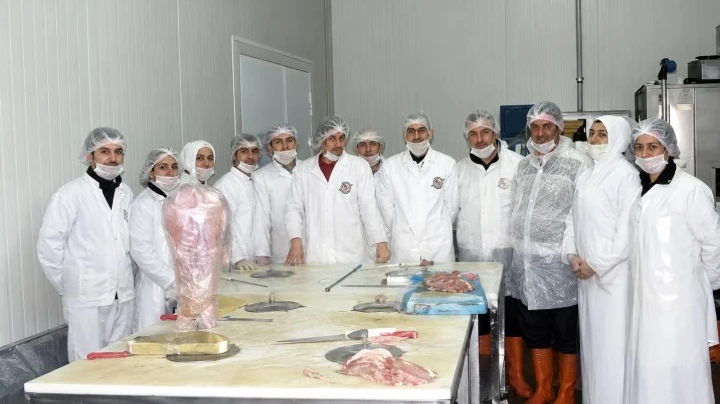
We provide doner kebab factory consultancy, project development, layout planning and chef and staff training. 50+ factories set up. Contact us today.
Turkey doner production is an attractive opportunity for food investors and manufacturers looking to enter or expand within the growing processed meat industry. Turkey meat is widely used in commercial food preparation because of its versatility, mild flavour, and suitability for different recipes. Restaurants, catering businesses, supermarkets, and food distributors can benefit from reliable manufacturing facilities that produce consistent, high-quality turkey doner products.
However, establishing a successful production facility requires more than selecting raw materials and purchasing industrial equipment. Investors must consider factory design, machinery requirements, production capacity, food safety procedures, refrigeration systems, and employee training. A well-planned manufacturing operation brings these elements together to create an organised production process that supports product quality and long-term business development.
Understanding the Turkey Doner Manufacturing Process
The manufacturing process begins with selecting suitable turkey meat. Raw material quality has a direct influence on the flavour, texture, appearance, and consistency of the finished product. Therefore, manufacturers should establish clear purchasing standards and work with reliable suppliers who can provide suitable meat under controlled conditions.
Once the raw materials arrive at the factory, they undergo receiving inspections and quality checks. The meat is then prepared through trimming, cutting, and portioning according to the product formulation. Any unwanted materials are removed before the ingredients move to the next processing stage.
The prepared turkey meat is combined with the required ingredients and seasonings using suitable industrial mixing equipment. Consistent mixing is important because it helps distribute ingredients evenly and maintain the intended product characteristics.
After preparation, the meat is assembled into the required doner shape. Production methods and equipment should be selected according to the desired product size, weight, and manufacturing capacity. Depending on the final product specifications, additional cooking, cooling, freezing, or packaging processes may follow.
Each stage should operate according to documented procedures to maintain consistency and reduce production errors.
Choosing the Right Machinery for Turkey Doner Production
Industrial machinery plays an important role in determining factory performance. The equipment required depends on production volume, available space, product specifications, and the level of automation planned for the facility.
A commercial turkey doner factory may require meat preparation machines, industrial mixers, cutting equipment, forming systems, refrigeration units, and packaging machinery. Each machine should be selected according to its intended function and compatibility with the other production stages.
Production capacity deserves particular attention. If the preparation section can process more material than the forming or packaging section can handle, delays may occur. Balancing machine capacities helps create a smoother production flow and reduces unnecessary waiting times.
Investors should also examine equipment construction, cleaning requirements, energy consumption, maintenance accessibility, and spare parts availability. Stainless steel machinery designed for food processing is commonly preferred because it supports hygienic operations and regular cleaning.
Professional machinery procurement consultancy can help investors compare technical specifications, identify suitable equipment manufacturers, and coordinate purchasing decisions according to the factory's actual requirements.
Planning an Efficient Turkey Doner Factory
Factory layout planning is essential for creating an organised manufacturing environment. A well-designed facility should provide clearly arranged areas for raw material receiving, chilled storage, meat preparation, processing, product assembly, packaging, and finished-product storage.
The movement of raw materials and finished products should be carefully considered. Appropriate separation between different production areas helps reduce cross-contamination risks and supports effective hygiene management.
Infrastructure requirements must also be addressed before machinery installation. Electricity, water supply, drainage, ventilation, refrigeration, and waste management systems should be designed according to the production requirements.
Investors should consider future expansion when planning the factory. A facility designed with sufficient space and suitable infrastructure can accommodate additional machinery or increased production capacity without requiring major structural changes.
Professional project planning helps connect factory design with machinery selection, ensuring that the entire production line operates as a coordinated system.
Food Safety and Quality Management
Food safety must remain a priority throughout the manufacturing process. Turkey meat requires appropriate temperature control, hygienic handling, and effective storage procedures to maintain its quality and safety.
Factories should establish documented cleaning schedules, employee hygiene procedures, raw material inspections, and temperature monitoring systems. Equipment should be cleaned and sanitised according to suitable food safety procedures.
Quality control should also cover product weight, shape, ingredient distribution, appearance, and packaging integrity. Regular checks help manufacturers maintain consistent standards and identify production problems early.
Finished products must be stored and transported under appropriate chilled or frozen conditions, depending on their specifications. Packaging materials should be suitable for food contact and comply with the regulations of the intended market.
Employee Training and Production Efficiency
Modern machinery cannot achieve its full potential without trained employees. Workers must understand equipment operation, meat handling, cleaning procedures, and production standards.
Production managers and food engineers should also understand how machinery capacity, raw material usage, processing time, and product quality affect overall factory performance.
Practical training helps employees follow standard operating procedures and reduces avoidable mistakes. Including training in the factory establishment plan can make the transition from installation to regular production more organised.
Conclusion
Establishing a successful turkey doner manufacturing facility requires careful coordination between raw material selection, machinery procurement, factory design, food safety, and employee training. Every production stage contributes to the quality and consistency of the finished product.
Investors should approach factory establishment as a complete development project rather than focusing only on individual equipment purchases. Professional consultancy covering production line planning, machinery sourcing, infrastructure requirements, and operational training can help businesses make informed decisions.

Comments
Login to Comment