Modern Techniques for Effective Teeth Whitening
30 Oct, 2026
14 Views 0 Like(s)
Explore modern teeth whitening techniques, professional bleaching methods, and advanced dental solutions for achieving a brighter and more confident smile.
Explore modern teeth whitening techniques, professional bleaching methods, and advanced dental solutions for achieving a brighter and more confident smile.
Modern cosmetic dentistry has introduced different ways to improve the appearance of natural teeth. Teeth whitening in Islamabad is a popular treatment for individuals who want to reduce discoloration and achieve a brighter smile. Everyday habits such as drinking coffee, consuming tea, smoking, and eating colored foods can gradually affect tooth color. Modern whitening techniques use specially developed products and professional application methods to address these concerns. Understanding the available options can help patients choose a suitable approach according to their dental needs.
The Evolution of Modern Teeth Whitening
In the past, people often relied on basic home remedies and whitening products to improve tooth color. Today, cosmetic dentistry offers more structured treatment options.
Modern whitening methods commonly use peroxide-based ingredients that help break down stains within natural teeth.
Dental professionals can assess tooth condition, select an appropriate product, and provide guidance throughout the procedure.
The main objective is to improve tooth appearance while minimizing unnecessary irritation and sensitivity.
Understanding the Main Teeth Whitening Techniques
Different whitening methods are available depending on the patient's preferences and dental condition.
1. In-Office Professional Whitening
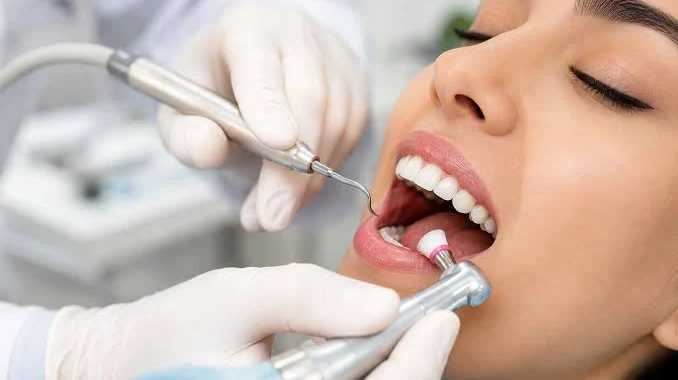
In-office whitening is performed under dental supervision using professional whitening products.
The procedure generally involves protecting the gums and applying a peroxide-based gel to the teeth.
Some systems use a special light as part of the process, although light activation is not necessary for every whitening product.
The dentist follows the product instructions and monitors the treatment to help reduce possible side effects.
2. Dentist-Supervised Take-Home Whitening
Another option involves using customized whitening trays with a professional whitening gel.
The trays are designed to fit the patient's teeth and help distribute the product appropriately.
Patients use them according to the dentist's instructions, which may involve daily applications over a specified period.
This method allows gradual whitening outside the dental clinic.
3. Whitening Toothpaste
Whitening toothpaste is designed mainly to remove surface stains through polishing ingredients.
Some formulations also contain ingredients that help manage discoloration.
Although these products can support daily oral hygiene, they generally do not produce the same bleaching effect as professional peroxide treatments.
4. Whitening Strips
Whitening strips contain bleaching ingredients and are placed over the tooth surfaces.
They are available in different formulations and concentrations. Their results depend on the product, usage instructions, and original tooth color.
Patients with dental sensitivity or existing oral health problems should seek professional advice before using them.
How Modern Whitening Products Work
Most professional whitening treatments rely on hydrogen peroxide or carbamide peroxide.
These ingredients penetrate the tooth structure and help break down molecules responsible for discoloration.
The treatment does not physically remove the enamel. Instead, it changes the appearance of stain molecules.
The concentration, application time, and treatment schedule are important factors in achieving suitable results.
Benefits of Modern Whitening Techniques
Modern whitening methods offer several potential advantages.
Improved Tooth Brightness
Whitening treatments can reduce different types of tooth discoloration and improve the overall appearance of natural teeth.
Multiple Treatment Options
Patients may choose between professional in-office procedures and dentist-supervised home treatments.
Personalized Care
Dental professionals can recommend treatment based on tooth sensitivity, existing dental restorations, and the type of staining.
Better Understanding of Treatment Safety
Professional assessment helps identify dental problems that should be addressed before whitening.
Improved Smile Confidence
Reducing visible stains may help people feel more comfortable when smiling and interacting with others.
How to Select the Right Whitening Method
Choosing the correct whitening technique requires understanding your dental condition and cosmetic goals.
Consider the following factors:
-
Type of Discoloration: Surface stains and deep stains may require different approaches
-
Tooth Sensitivity: People with sensitive teeth may need a modified treatment plan
-
Dental Health: Cavities and gum problems should be evaluated before whitening
-
Treatment Expectations: Results depend on natural tooth color and the cause of staining
-
Professional Advice: A dentist can explain suitable products and application methods
Avoid selecting a whitening product simply because it promises immediate or dramatic results.
Are Modern Whitening Techniques Suitable for Everyone?
Not every person is an ideal candidate for teeth whitening.
Individuals with untreated cavities, active gum disease, cracked teeth, or severe sensitivity may need dental care before beginning cosmetic treatment.
Whitening is also less effective on certain types of intrinsic discoloration.
Additionally, crowns, veneers, and fillings do not change color through ordinary bleaching treatments.
A professional examination helps determine whether whitening is appropriate.
Possible Side Effects of Whitening Treatments
Temporary tooth sensitivity is one of the most common side effects of whitening. Some people may also experience mild gum irritation.
These effects can depend on the concentration of the whitening agent and how long it remains in contact with the teeth.
Following professional instructions, using suitable products, and avoiding unnecessary repeated treatments can help reduce discomfort.
If sensitivity becomes severe or continues, consult your dentist.
Maintaining Results After Modern Whitening
After completing a whitening procedure, good oral hygiene helps maintain the appearance of your teeth.
Follow these habits:
-
Brush twice daily using fluoride toothpaste
-
Floss between your teeth regularly
-
Reduce frequent consumption of coffee and tea
-
Avoid smoking and tobacco products
-
Drink water throughout the day
-
Visit your dentist for routine examinations
-
Follow professional advice about whitening maintenance
These simple steps support oral health and help reduce the development of new stains.
The Role of Professional Guidance
Modern whitening products offer different options, but professional guidance remains important.
A dental professional can identify the cause of discoloration, evaluate oral health, and recommend an appropriate method.
This approach helps patients understand realistic expectations and avoid treatments that may not suit their dental condition.
Final Thoughts
Modern teeth whitening techniques provide several options for improving natural tooth color and reducing discoloration. From in-office bleaching to dentist-supervised take-home treatments, each method has different advantages and limitations. Choosing an appropriate technique with professional guidance can help support a brighter and healthier-looking smile. For individuals interested in cosmetic dental improvements, JJ Aesthetic provides an opportunity to explore suitable whitening options and professional dental care.

Comments
Login to Comment