Transform Your Complexion with Personalised Pigmentation Tre
02 Nov, 2026
9 Views 0 Like(s)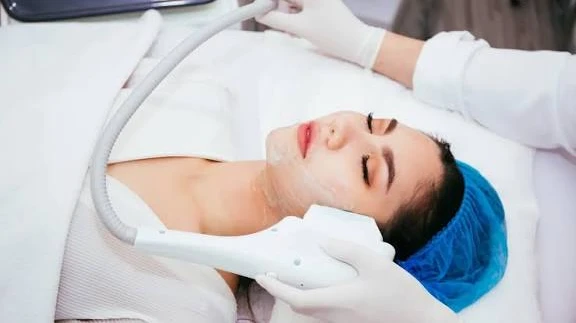
Uneven skin tone, dark spots, and visible discoloration are common concerns that can affect the overall appearance of the complexion.
Uneven skin tone, dark spots, and visible discoloration are common concerns that can affect the overall appearance of the complexion. These changes may develop gradually due to sun exposure, hormonal fluctuations, ageing, acne-related inflammation, and increased melanin production. While pigmentation is a natural characteristic of the skin, Pigmentation treatment in Abu Dhabi offers a modern approach for individuals seeking to address excessive pigment accumulation in certain areas, reduce the appearance of dark patches, and achieve a more even-looking complexion.
Modern aesthetic advancements have introduced several treatment approaches designed to address different types of pigmentation. From advanced laser technologies to chemical peels and specialised skin-rejuvenation procedures, these options focus on improving visible discoloration and supporting a more balanced complexion. However, every individual's skin has different characteristics, making personalised treatment selection an important part of achieving suitable results.
Exploring skin pigmentation treatment in Abu Dhabi can help individuals discover modern approaches to managing stubborn dark spots, uneven skin tone, and other pigmentation concerns. With an appropriate treatment plan, it may be possible to achieve a brighter, smoother, and more uniform-looking complexion.
Understanding Different Types of Skin Pigmentation
Skin pigmentation refers to the natural colouring of the skin, which is primarily determined by melanin. This pigment is produced by specialised cells called melanocytes. When melanin production becomes uneven or excessive in particular areas, visible discoloration can develop.
Different pigmentation conditions have distinct characteristics and may require different treatment approaches.
Melasma
Melasma is a common pigmentation concern characterised by brown or greyish patches, particularly on the cheeks, forehead, nose, and upper lip. Hormonal fluctuations, ultraviolet exposure, and genetic factors may contribute to its development.
Because melasma can involve deeper pigment activity, treatment selection requires careful consideration of individual skin characteristics.
Sunspots
Sunspots develop following prolonged exposure to ultraviolet radiation. They commonly appear as small, flat, brown patches on areas frequently exposed to sunlight, including the face, hands, shoulders, and neck.
Modern pigmentation treatments may help reduce the visibility of selected sunspots by targeting concentrated melanin.
Post-Inflammatory Hyperpigmentation
Post-inflammatory hyperpigmentation develops after inflammation or injury affects the skin. Previous acne, irritation, and certain inflammatory skin conditions may leave darker marks that remain visible after the original concern has improved.
The depth of pigmentation and individual skin tone influence the selection of suitable treatment options.
Age-Related Pigmentation
Natural ageing and accumulated environmental exposure can contribute to visible dark spots. These changes may gradually affect the face and other exposed areas, creating an uneven complexion.
Selected skin-rejuvenation procedures may help improve the appearance of age-related discoloration.
Why Personalised Pigmentation Treatment Matters
Not all pigmentation concerns are identical. Some dark spots develop near the skin's surface, while others involve deeper pigment distribution. Similarly, pigmentation associated with hormonal changes may behave differently from discoloration caused by sun exposure or previous acne.
A personalised treatment approach considers the type of pigmentation, skin tone, pigment depth, and individual aesthetic objectives.
For example, selected laser technologies may be appropriate for certain concentrated dark spots, while chemical peels may be considered for superficial discoloration. Other skin-rejuvenation procedures may be explored when pigmentation occurs alongside uneven texture.
This individualised approach helps ensure that treatment selection is based on the actual skin concern rather than applying the same procedure to everyone.
Modern Treatments for Improving Skin Pigmentation
Several professional treatment options are available to address different pigmentation concerns. Each approach works through a different mechanism and is selected according to individual requirements.
Laser Pigmentation Treatment
Laser technology is widely explored for addressing selected forms of skin pigmentation. It uses specific wavelengths of light to target melanin concentrations within the skin.
The energy interacts with concentrated pigment, helping break it into smaller particles that the body's natural processes can gradually eliminate.
Different laser systems are designed to address different pigment depths and characteristics. Treatment settings can be adjusted according to the affected area and individual skin requirements.
Laser pigmentation treatment may be considered for certain sunspots, dark marks, and other forms of visible discoloration.
Chemical Peels
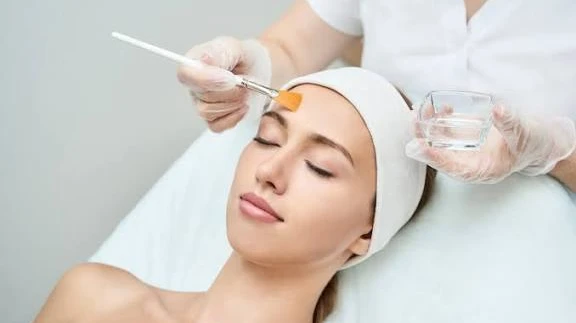
Chemical peels involve applying professionally selected exfoliating solutions to encourage the removal of accumulated surface skin cells.
Depending on the formulation, these treatments may help improve superficial pigmentation, uneven skin tone, and dullness.
Different peel formulations work at different depths. Selecting an appropriate option depends on the pigmentation type, skin condition, and desired improvements.
Microneedling
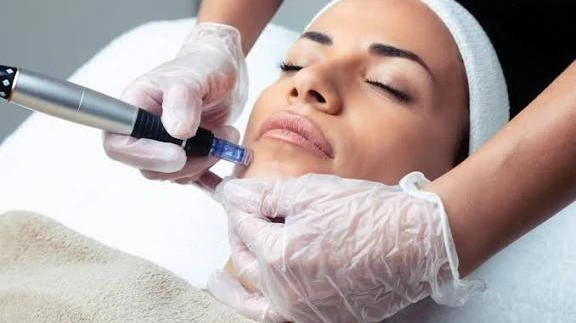
Microneedling uses a specialised device equipped with fine needles to create controlled microchannels in the skin. This process stimulates the skin's natural renewal response and supports collagen-related activity.
For selected pigmentation concerns, particularly certain post-inflammatory marks, microneedling may be considered as part of a personalised skin-rejuvenation approach.
It may also help improve uneven skin texture and the appearance of certain acne-related marks.
Intense Pulsed Light Treatment
Intense Pulsed Light, commonly known as IPL, uses controlled pulses of broad-spectrum light to target selected pigmentation concerns.
The light energy interacts with melanin, helping improve the appearance of certain superficial dark spots and sun-related discoloration.
Its suitability depends on individual skin tone, pigmentation characteristics, and treatment objectives.
How Laser Treatments Help Improve Dark Spots
Laser treatments work by directing selected wavelengths of light towards areas containing excess melanin. The targeted energy helps fragment concentrated pigment into smaller particles.
The body's natural processes then gradually eliminate these pigment particles over time.
Different laser technologies have different capabilities. Some are designed to target superficial discoloration, while others can address pigment located deeper within the skin.
The selection of laser technology depends on the pigmentation condition, skin characteristics, and desired outcome.
One of the main objectives is to reduce the visibility of unwanted dark spots while promoting a more even-looking complexion.
Can Pigmentation Treatment Improve Uneven Skin Tone?
Yes, selected pigmentation treatments may help improve uneven skin tone by addressing areas where melanin has accumulated excessively.
Uneven pigmentation can make the complexion appear patchy, dull, or less balanced. Professional treatments such as laser procedures and chemical peels may help reduce the visibility of selected discoloration concerns.
Some individuals may also experience pigmentation alongside enlarged pores, rough texture, or acne marks. In such cases, a personalised approach may consider multiple skin concerns together.
The extent of improvement depends on the pigmentation type, its depth, and the treatment selected.
Pigmentation Treatment for Different Facial Areas
Pigmentation can affect different areas of the face, and each location may have different treatment requirements.
Cheeks
The cheeks are a common area for melasma, sunspots, and post-inflammatory pigmentation. Treatment selection depends on the appearance and depth of the discoloured patches.
Forehead
Forehead pigmentation may develop due to sun exposure, hormonal influences, or other factors affecting melanin production. Selected professional treatments may help improve complexion uniformity.
Upper Lip
Dark pigmentation around the upper lip can sometimes be associated with melasma or other pigment-related changes. Careful assessment helps determine an appropriate treatment approach.
Chin
The chin may develop dark marks following acne-related inflammation or other skin concerns. Selected pigmentation procedures may help improve the appearance of these areas.
What Results Can You Expect from Personalised Pigmentation Treatment?
Pigmentation treatment results vary according to the type of discoloration, its depth, and the selected procedure.
Some individuals may notice gradual improvements in superficial dark spots, while deeper or more persistent pigmentation may require multiple treatment sessions.
As the skin responds to treatment and progresses through its natural renewal processes, affected areas may gradually appear lighter and more uniform.
It is important to understand that pigmentation treatments do not guarantee complete or permanent removal of every dark spot. Certain conditions, particularly melasma, may require ongoing management.
Realistic expectations and an individually selected treatment plan are important parts of the overall process.
Choosing the Right Skin Pigmentation Treatment in Abu Dhabi
Selecting an appropriate treatment begins with understanding the underlying pigmentation concern. A professional skin assessment can help identify the type, depth, and distribution of discoloration.
Factors such as skin tone, previous skin treatments, existing concerns, and desired results can influence the recommended procedure.
For example, selected laser treatments may be considered for concentrated sunspots, while chemical peels may be appropriate for certain superficial pigmentation concerns. Other procedures may be explored when discoloration occurs alongside uneven skin texture.
Abu Dhabi's sunny climate also makes pigmentation awareness particularly relevant, as regular ultraviolet exposure can contribute to changes in skin tone.
A personalised approach helps ensure that treatment choices are aligned with individual skin characteristics and complexion goals.
Achieve a Brighter Complexion with Personalised Pigmentation Treatment
Stubborn dark spots and uneven skin tone can affect the natural appearance of the complexion. However, modern aesthetic treatments offer different approaches to addressing visible pigmentation and improving overall skin quality.
From advanced laser technology to chemical peels and selected skin-rejuvenation procedures, treatment options can be tailored according to individual skin concerns.
Exploring skin pigmentation treatment in Abu Dhabi can help individuals understand suitable approaches for achieving a clearer, brighter, and more balanced complexion. With personalised treatment planning and realistic expectations, it is possible to work towards healthier-looking skin while maintaining its natural appearance.
Frequently Asked Questions (FAQs)
What is personalised pigmentation treatment?
Personalised pigmentation treatment involves selecting professional skin procedures according to an individual's pigmentation type, skin tone, pigment depth, and aesthetic goals.
Which treatment is best for stubborn dark spots?
The most suitable treatment depends on the cause and depth of pigmentation. Laser procedures, chemical peels, and selected skin-rejuvenation treatments may help improve different types of dark spots.
Can laser treatment completely remove pigmentation?
Laser treatment may significantly improve the appearance of certain pigmentation concerns. However, complete removal is not guaranteed, and results depend on the type and depth of discoloration.
How many sessions are needed for pigmentation treatment?
The number of sessions varies according to the pigmentation condition, treatment method, and individual skin response. Some concerns may require several sessions to achieve noticeable improvements.
Can pigmentation treatment help with melasma?
Certain treatments may help improve the appearance of melasma. However, this condition can be persistent, so treatment selection and ongoing management are important.
Is chemical peeling effective for uneven skin tone?
Chemical peels may help improve superficial pigmentation and uneven skin tone by encouraging exfoliation and skin renewal.
Can acne marks be treated with pigmentation procedures?
Yes, selected pigmentation treatments may help improve post-inflammatory hyperpigmentation left behind by acne. The appropriate procedure depends on the depth and characteristics of the marks.
How long does it take to see pigmentation treatment results?
Results generally develop gradually. Some individuals may notice improvements within several weeks, while deeper or persistent pigmentation may require additional treatment sessions.
Can pigmentation return after treatment?
Yes, pigmentation can return, particularly when underlying triggers such as hormonal influences and ultraviolet exposure remain present. Some conditions may require continued management.
Is personalised pigmentation treatment suitable for every skin type?
Different treatment approaches are available for various skin types. However, suitability depends on individual skin characteristics, pigmentation depth, and the selected procedure. A professional assessment helps identify an appropriate option.
Comments
Login to Comment