Is a Chemical Peel Right for Your Skin Type and Concerns
02 Nov, 2026
9 Views 0 Like(s)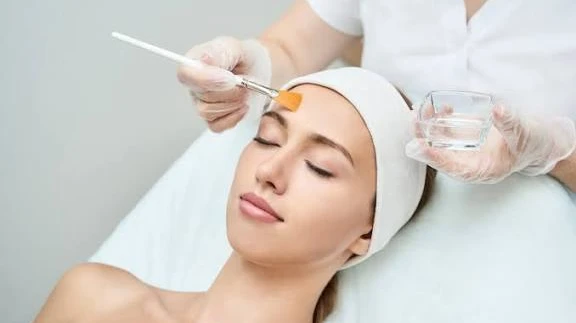
While some people struggle with dullness and uneven skin tone, others may experience acne marks, dark spots, enlarged pores, rough texture, or early signs of a
Every individual's skin has unique characteristics, needs, and challenges. While some people struggle with dullness and uneven skin tone, others may experience acne marks, dark spots, enlarged pores, rough texture, or early signs of ageing. Finding an appropriate skincare treatment can make a significant difference in improving the overall appearance of the complexion. For those seeking personalised solutions to address different skin concerns, Chemical Peels in Abu Dhabi offers a range of advanced aesthetic options designed to improve skin texture, enhance radiance, and promote a healthier, smoother, and more youthful-looking complexion.
Chemical peels have become a popular option in modern aesthetic skincare because they offer a customised approach to skin rejuvenation. By using carefully selected exfoliating ingredients, these treatments help remove accumulated dead skin cells, encourage natural skin renewal, and reveal a smoother-looking surface.
However, not every chemical peel is suitable for every skin type. Factors such as skin sensitivity, oil production, pigmentation, and existing skin conditions influence which formulation may be appropriate.
Understanding how chemical peels work and which options address specific concerns can help you determine whether this treatment aligns with your skincare goals.
What Is a Chemical Peel?
A chemical peel is a professional skin rejuvenation treatment that uses specially formulated chemical solutions to exfoliate the skin.
These solutions contain active ingredients that help loosen the connections between dead skin cells, encouraging their removal and supporting the skin's natural renewal process.
As accumulated surface cells are shed, fresher skin becomes visible. This can improve the appearance of dullness, uneven texture, superficial pigmentation, and certain fine lines.
Chemical peels are available in different strengths and depths. Superficial peels primarily target the outermost skin layers, while medium-depth peels penetrate further to address selected skin concerns.
The appropriate treatment depends on individual skin characteristics, pigmentation depth, and aesthetic objectives.
How Do You Know If a Chemical Peel Is Right for Your Skin?
A chemical peel may be worth considering if you want to improve the appearance of common skin concerns without relying exclusively on everyday exfoliating products.
Individuals experiencing dullness, rough texture, superficial dark spots, clogged pores, or post-acne marks may benefit from professionally selected exfoliating treatments.
However, choosing the right formulation is essential.
For example, oily and acne-prone skin may require different ingredients from dry or sensitive skin. Similarly, individuals with pigmentation concerns may need a treatment specifically selected to address uneven melanin distribution.
A professional skin assessment helps identify the most appropriate chemical peel based on your complexion and treatment expectations.
Understanding Different Skin Types and Suitable Chemical Peels
Different skin types respond differently to exfoliating ingredients. Understanding these differences is important when selecting an appropriate treatment.
Chemical Peels for Oily Skin
Oily skin is characterised by increased sebum production, which can contribute to clogged pores, blemishes, and a shiny complexion.
Salicylic acid peels are commonly considered for oily skin because salicylic acid is oil-soluble and can penetrate into pores.
It helps loosen accumulated oil and dead skin cells, supporting a clearer-looking complexion.
Selected glycolic acid formulations may also be considered to improve surface texture and dullness.
The appropriate choice depends on the individual's skin condition and sensitivity.
Chemical Peels for Dry Skin
Dry skin may appear rough, flaky, or dull because of reduced moisture levels and changes in the skin barrier.
Lactic acid is often considered for selected individuals with dry skin because it supports gentle exfoliation and helps improve surface smoothness.
However, exfoliation must be carefully selected to avoid disrupting the skin barrier.
A professional assessment helps determine whether a gentle chemical peel is appropriate and which formulation best suits the individual's needs.
Chemical Peels for Combination Skin
Combination skin usually includes areas with different characteristics. The forehead, nose, and chin may produce more oil, while the cheeks may feel comparatively dry.
This variation makes personalised treatment selection particularly important.
Depending on individual concerns, a professional may consider glycolic acid, lactic acid, or selected salicylic acid formulations.
The treatment approach can be adapted to address different areas without applying an unsuitable formulation uniformly.
Chemical Peels for Sensitive Skin
Sensitive skin may react more easily to certain skincare ingredients and exfoliating procedures.
Individuals with this skin type require careful ingredient selection and conservative treatment planning.
Selected gentle formulations may be considered following an assessment of skin sensitivity and barrier condition.
The objective is to improve skin appearance without choosing an unnecessarily aggressive treatment.
Chemical Peels for Mature Skin
Mature skin may experience fine lines, uneven texture, dullness, and reduced elasticity because of natural ageing.
Selected chemical peels can help improve superficial texture and the appearance of fine lines by encouraging exfoliation and skin renewal.
Glycolic acid and certain other formulations may be considered depending on individual skin characteristics.
A personalised approach helps determine the appropriate treatment depth and expected improvements.
Which Chemical Peel Is Best for Your Skin Concerns?
Apart from skin type, your primary aesthetic concern also plays an important role in selecting a chemical peel.
For Dull and Tired-Looking Skin
Accumulated dead skin cells can make the complexion appear less radiant.
Glycolic acid and lactic acid peels are commonly considered for improving dullness through surface exfoliation.
They help remove accumulated cells and reveal fresher-looking skin.
For Dark Spots and Hyperpigmentation
Uneven pigmentation can develop because of sun exposure, hormonal changes, and previous inflammation.
Selected chemical peels may help improve superficial pigmentation by encouraging the removal of pigmented surface cells.
Glycolic acid and mandelic acid formulations may be considered depending on the underlying concern.
Deeper pigmentation and melasma require a more carefully planned approach.
For Acne-Prone Skin
Acne-prone skin may experience excess oil, clogged pores, and recurring blemishes.
Salicylic acid is particularly relevant because it can penetrate oil-rich pores and help remove accumulated debris.
Certain glycolic and mandelic acid formulations may also be considered to improve surface texture and selected acne-related marks.
For Uneven Skin Texture
Roughness and uneven texture may develop because of accumulated dead skin cells, acne-related changes, and natural ageing.
Glycolic acid and selected other exfoliating treatments can encourage surface renewal and improve the appearance of rough areas.
However, deeper acne scars may require additional treatment approaches.
For Fine Lines and Early Ageing
Fine lines often become more noticeable as the skin's natural structure changes with age.
Selected chemical peels can improve the appearance of superficial lines by supporting exfoliation and skin renewal.
The appropriate treatment depends on the depth of the lines and the individual's overall skin condition.
Exploring Different Types of Chemical Peels
Understanding the available formulations can make it easier to discuss treatment options during a professional consultation.
Glycolic Acid Peel
Glycolic acid is an alpha-hydroxy acid with a relatively small molecular structure.
It helps loosen accumulated dead skin cells and supports surface exfoliation.
It is commonly used to address dullness, superficial pigmentation, rough texture, and uneven skin tone.
Lactic Acid Peel
Lactic acid is another alpha-hydroxy acid that supports gentle exfoliation.
It helps improve the appearance of dull skin and uneven texture.
Selected formulations may be considered for individuals seeking a gentler approach to surface renewal.
Salicylic Acid Peel
Salicylic acid is a beta-hydroxy acid with oil-soluble properties.
It penetrates into pores and helps remove accumulated oil and dead skin cells.
It is particularly relevant for selected oily and acne-prone skin concerns.
Mandelic Acid Peel
Mandelic acid has a relatively larger molecular structure and penetrates the skin more gradually than some other exfoliating acids.
It may be considered for selected individuals with superficial pigmentation, uneven skin tone, and textural concerns.
TCA Chemical Peel
Trichloroacetic acid, commonly known as TCA, is used in medium-depth chemical peeling procedures.
It may be considered for selected pigmentation concerns, fine lines, and textural irregularities.
Its concentration and application require careful professional assessment.
What Happens During a Professional Chemical Peel?
The treatment process usually begins with a consultation to understand your skin type and aesthetic objectives.
The skin is evaluated for texture, pigmentation, sensitivity, and existing concerns.
Once a suitable formulation has been selected, the treatment area is cleansed to remove surface impurities.
The chemical solution is then applied using a controlled technique according to the selected treatment protocol.
Depending on the formulation, the solution may be removed or neutralised at the appropriate stage.
After treatment, personalised skincare instructions are provided to support the skin's natural renewal process.
When Can You Expect to See Results?
Visible improvements depend on the type of chemical peel, treatment depth, and individual skin response.
Some individuals may notice brighter-looking skin relatively soon after a superficial peel.
Improvements in pigmentation and texture may take several weeks and sometimes require multiple sessions.
The skin continues its natural renewal process following treatment, so results generally develop gradually.
A personalised treatment schedule helps establish realistic expectations.
How to Maintain Your Results
Maintaining healthy-looking skin requires consistent skincare habits.
Gentle cleansing helps remove surface impurities, while suitable moisturisers support hydration and the skin barrier.
Broad-spectrum sunscreen is particularly important because ultraviolet exposure can contribute to pigmentation and premature ageing.
Following professional aftercare recommendations is also essential, especially regarding exfoliating products and active skincare ingredients.
A balanced skincare routine can help maintain a smoother and more even-looking complexion.
Who Should Avoid or Postpone a Chemical Peel?
Although chemical peels can be suitable for many individuals, certain skin conditions may require additional evaluation before treatment.
Individuals experiencing active skin infections, open wounds, significant skin irritation, or an impaired skin barrier may need to postpone exfoliating procedures.
People with certain medical conditions, recent aesthetic procedures, or a history of unusual pigmentation responses should discuss their circumstances during consultation.
Professional assessment helps determine whether treatment is appropriate and when it may be suitable to proceed.
Conclusion
A chemical peel can be a valuable addition to a personalised skincare routine when the formulation is selected according to individual skin type and concerns.
Whether you want to improve oily skin, reduce the appearance of superficial pigmentation, refine uneven texture, or achieve a brighter complexion, different chemical peels offer targeted exfoliating approaches.
Glycolic acid, lactic acid, salicylic acid, mandelic acid, and TCA are among the available options, each with distinct properties and applications.
The most important step is understanding your skin's specific requirements and seeking professional guidance before selecting a treatment.
With appropriate treatment planning and consistent skincare, chemical peels can help support a smoother, brighter, and healthier-looking complexion.
Frequently Asked Questions (FAQs)
Is a Chemical Peel Suitable for Every Skin Type?
Chemical peels can be adapted for many skin types, but not every formulation is suitable for everyone. Skin sensitivity, pigmentation, and existing conditions should be considered before treatment.
Which Chemical Peel Is Best for Oily Skin?
Salicylic acid peels are commonly considered for oily skin because they help address accumulated oil and clogged pores. The appropriate formulation depends on individual skin characteristics.
Can People With Dry Skin Get Chemical Peels?
Selected gentle formulations, such as lactic acid peels, may be considered for individuals with dry skin following a professional assessment.
Which Chemical Peel Is Best for Sensitive Skin?
Gentler formulations may be considered for selected individuals with sensitive skin. Treatment strength and ingredients should be chosen according to skin condition and sensitivity.
Can Chemical Peels Help With Dark Spots?
Yes, selected chemical peels can improve the appearance of superficial dark spots by encouraging exfoliation and supporting natural skin renewal.
Are Chemical Peels Good for Acne-Prone Skin?
Certain chemical peels, particularly salicylic acid formulations, may help improve clogged pores, excess oil, and selected acne-related concerns.
Can Chemical Peels Improve Uneven Skin Tone?
Yes, selected chemical peels may help improve uneven skin tone by encouraging the removal of pigmented surface cells and supporting skin renewal.
How Many Chemical Peel Sessions Are Required?
The number of sessions depends on skin type, treatment depth, formulation, and desired results. A professional assessment helps establish an appropriate schedule.
Can Chemical Peels Help With Fine Lines?
Certain chemical peels can improve the appearance of superficial fine lines by encouraging exfoliation and supporting surface renewal.
Are Chemical Peels Suitable for Mature Skin?
Selected chemical peels may help mature skin improve the appearance of dullness, superficial pigmentation, and uneven texture.
How Long Does It Take to See Chemical Peel Results?
Some individuals may notice improvements in brightness relatively soon after treatment, while changes in pigmentation and texture can take several weeks or multiple sessions.
Is Sunscreen Necessary After a Chemical Peel?
Yes, broad-spectrum sunscreen is important after treatment because ultraviolet exposure can contribute to pigmentation and uneven skin tone.
How Do I Choose the Right Chemical Peel?
The right chemical peel depends on your skin type, primary concern, pigmentation depth, and aesthetic goals. A professional skin assessment is the best starting point for selecting an appropriate formulation.


Comments
Login to Comment