Thyroid Cancer Treatment in Delhi: Diagnosis, Surgery Options and Recovery Guide
18 Sep, 2026
5 Views 0 Like(s)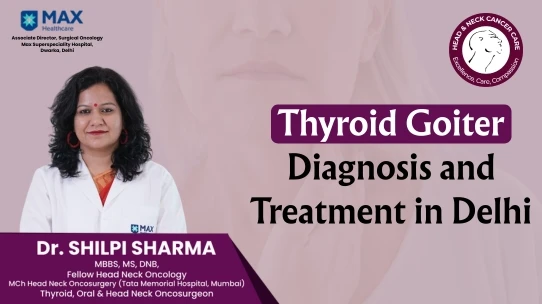
Dr. Shilpi Sharma is a specialist in Head & Neck Surgical Oncology with focused experience in the diagnosis and surgical management of cancers affecting the oral cavity
A thyroid nodule does not always mean cancer. Many thyroid lumps are benign, but some require detailed evaluation to determine whether cancer is present. When a thyroid abnormality is detected, timely assessment can help patients understand the diagnosis and choose an appropriate treatment plan.
For people looking for thyroid cancer treatment in Delhi, one of the most important steps is selecting a specialist who understands both thyroid disease and cancer surgery. Thyroid cancer treatment may involve surgery, lymph-node assessment, radioactive iodine in selected cases, hormone replacement and long-term surveillance. The exact approach depends on the type, size and stage of the cancer rather than following one treatment plan for every patient.
What Is Thyroid Cancer?
Thyroid cancer develops when abnormal cells in the thyroid gland grow uncontrollably. The thyroid is a small, butterfly-shaped gland located at the front of the neck. It produces hormones that help regulate metabolism and several important body functions.
There are different types of thyroid cancer. The most common include:
- Papillary thyroid cancer
- Follicular thyroid cancer
- Medullary thyroid cancer
- Anaplastic thyroid cancer
These cancers can behave differently, which is why accurate diagnosis and individualized treatment are important.
A thyroid cancer specialist in Delhi may evaluate the thyroid nodule, imaging findings, biopsy results and other clinical factors before discussing treatment.
Does Every Thyroid Nodule Mean Cancer?
No. Thyroid nodules are relatively common, and many are non-cancerous.
Doctors generally consider several features when assessing a thyroid nodule, including:
- Its size
- Ultrasound characteristics
- Whether it has changed over time
- Presence of suspicious lymph nodes
- Symptoms affecting the neck
- Patient history
- Fine-needle aspiration biopsy findings when indicated
A suspicious nodule may require further testing rather than immediate surgery.
This is why a person searching online for a thyroid cancer doctor in Delhi should focus on obtaining a proper evaluation rather than assuming that every thyroid lump represents cancer.
Common Signs That Should Be Evaluated
Thyroid cancer may not cause obvious symptoms in its early stages. In some patients, it is discovered incidentally during a neck examination or imaging study.
Possible warning signs include:
- A lump in the lower front of the neck
- A thyroid swelling that gradually increases in size
- Enlarged lymph nodes in the neck
- Persistent voice changes
- Difficulty swallowing
- A feeling of pressure in the neck
- Difficulty breathing in advanced cases
These symptoms can occur with conditions other than cancer. Persistent or unexplained symptoms should therefore be assessed by a qualified medical professional.
How Is Thyroid Cancer Diagnosed?
Diagnosis usually begins with a clinical examination and thyroid imaging.
1. Clinical Examination
The doctor examines the thyroid and surrounding neck structures and checks for enlarged lymph nodes or other abnormalities.
2. Thyroid Ultrasound
Ultrasound can provide detailed information about a thyroid nodule. Doctors assess characteristics such as its composition, margins and other imaging features to determine whether further evaluation is necessary.
3. Fine-Needle Aspiration
Fine-needle aspiration, commonly called FNA, involves obtaining cells from a thyroid nodule using a thin needle. The sample is examined by a pathologist.
FNA can help distinguish many benign nodules from those that require surgical management.
4. Additional Testing
Depending on the suspected diagnosis, additional blood tests, imaging or other investigations may be recommended.
The purpose of testing is not simply to identify a thyroid lump. It is to understand the nature of the lesion and determine the safest treatment strategy.
When Is Thyroid Cancer Surgery Recommended?
Surgery is an important part of treatment for many thyroid cancers, but the type and extent of surgery depend on the individual case.
A Thyroid Cancer Surgery Specialist in Delhi may consider factors such as:
- Cancer type
- Tumor size
- Location within the thyroid
- Whether cancer involves one or both thyroid lobes
- Lymph-node involvement
- Extension into nearby tissues
- Previous thyroid surgery
- Other patient-specific considerations
The objective is to remove the known cancer while avoiding unnecessary treatment whenever medically appropriate.
Thyroid Lobectomy vs Total Thyroidectomy
One of the questions patients commonly ask is whether the entire thyroid needs to be removed.
Thyroid Lobectomy
A lobectomy removes one lobe of the thyroid. It may be considered for selected thyroid cancers where removal of the entire gland is not necessary.
Potential advantages include preservation of some thyroid tissue and, in selected patients, a lower likelihood of requiring lifelong thyroid hormone replacement.
Total Thyroidectomy
Total thyroidectomy removes the thyroid gland. It may be recommended for certain cancers based on tumor characteristics, disease extent or other clinical considerations.
After total thyroidectomy, thyroid hormone replacement is generally required.
The decision between these procedures should be based on the patient's diagnosis and risk factors rather than on a standard approach applied to everyone.
What Is Neck Dissection?
Thyroid cancer can sometimes spread to lymph nodes in the neck.
If lymph-node involvement is established or strongly suspected, a neck dissection may be considered. During this procedure, selected groups of lymph nodes are removed to treat or assess cancer spread.
Not every thyroid cancer patient needs a neck dissection.
The decision depends on clinical examination, imaging, biopsy findings and the specific cancer characteristics.
Why Surgical Expertise Matters in Thyroid Cancer
Thyroid surgery takes place close to important structures in the neck. These include the recurrent laryngeal nerves, which contribute to vocal-cord movement, and the parathyroid glands, which help regulate calcium levels.
A carefully planned operation aims to remove the required thyroid tissue while preserving important nearby structures whenever possible.
This is one reason patients searching for a Thyroid Cancer Specialist in Delhi may want to consider the surgeon's specific experience in thyroid and head-and-neck oncology rather than choosing solely on the basis of general surgical experience.
Understanding the Role of a Head & Neck Oncosurgeon
Thyroid cancer is part of the broader field of head and neck oncology. A surgeon with focused training in this area may manage cancers involving the thyroid, oral cavity, throat and other structures of the head and neck.
Patients searching for a Head & Neck Oncosurgeon in Delhi may therefore encounter specialists whose practice includes both thyroid and other head-and-neck cancers.
Dr. Shilpi Sharma is a head and neck surgical oncology specialist whose clinical focus includes thyroid and head-and-neck oncosurgery. Her qualifications include MBBS, MS, DNB, fellowship training in Head & Neck Oncology and MCh training in Head & Neck Oncosurgery from Tata Memorial Hospital, Mumbai.
Patients can learn more about her clinical profile and areas of treatment through the official website: Head & Neck Cancer Surgeon Delhi Gurgaon
Thyroid Cancer Treatment Is More Than Surgery
Surgery is not necessarily the only part of thyroid cancer care.
Depending on the diagnosis, additional treatment may include:
- Radioactive iodine therapy
- Thyroid hormone replacement
- TSH suppression in selected patients
- External radiation in specific situations
- Targeted medicines for advanced disease
- Regular imaging and laboratory monitoring
The need for these treatments depends on the cancer type, risk category and response to initial therapy.
A Head & Neck Oncology Specialist in Delhi can coordinate the surgical component and help determine when additional oncology care is required.
Recovery After Thyroid Surgery
Recovery varies from person to person.
Patients may experience:
- Temporary neck discomfort
- Mild swelling
- Tightness around the surgical area
- Temporary voice changes
- Fatigue during the initial recovery period
Some patients return to routine activities relatively quickly, while others may require additional recovery time.
After surgery, follow-up may include wound assessment, thyroid hormone testing, calcium monitoring and review of the final pathology report.
What Does the Pathology Report Tell You?
The final pathology report is an important part of thyroid cancer management.
It may provide information about:
- Cancer type
- Tumor size
- Tumor characteristics
- Surgical margins
- Lymph-node involvement
- Extension beyond the thyroid
- Other microscopic features
This information can influence whether additional treatment or closer surveillance is recommended.
Patients should ask their doctor to explain the pathology report in understandable terms rather than trying to interpret individual medical terms without context.
Long-Term Follow-Up After Thyroid Cancer
Completing surgery does not always mean that medical follow-up ends.
Depending on the type of thyroid cancer and treatment received, follow-up may involve:
- Regular clinical examinations
- Thyroid function testing
- Thyroglobulin monitoring in selected patients
- Neck ultrasound
- Review of thyroid hormone dosage
- Additional imaging when clinically required
Follow-up schedules are individualized according to the original cancer and the patient's risk profile.
How to Choose a Thyroid Cancer Doctor in Delhi
Finding a suitable specialist can feel overwhelming, especially immediately after receiving a cancer diagnosis.
Patients may consider asking the following questions during consultation:
- What type of thyroid cancer is suspected or confirmed?
- How extensive is the disease?
- Do I need surgery?
- Which type of thyroid surgery is appropriate for me?
- Are lymph nodes involved?
- Will I need a neck dissection?
- Will I need thyroid hormone replacement?
- Could additional treatment be required after surgery?
- What will follow-up involve?
- What symptoms should prompt an earlier review?
These questions can make the consultation more productive and help patients understand the reasoning behind the proposed treatment plan.
Thyroid Cancer and the Importance of Individualized Care
Two patients with thyroid nodules may receive completely different treatment recommendations. The reason is that treatment decisions depend on multiple factors rather than the presence of a lump alone.
For example, a small localized thyroid cancer may be managed differently from a larger tumor involving lymph nodes or nearby structures.
Similarly, surgery for a previously operated thyroid can require a different approach from an initial thyroid operation.
Individualized assessment is therefore an important part of modern thyroid cancer care.
When Should You Seek Specialist Evaluation?
Consider consulting a specialist if you have:
- A newly discovered suspicious thyroid nodule
- A thyroid biopsy suggesting malignancy
- Enlarged neck lymph nodes
- A rapidly changing neck swelling
- Persistent unexplained voice changes
- Difficulty swallowing associated with a neck mass
- A previous thyroid cancer diagnosis requiring further management
Early specialist assessment can help clarify the diagnosis and identify appropriate next steps.
Frequently Asked Questions
Is thyroid cancer always treated with surgery?
No. Management depends on the type and characteristics of the cancer. Surgery is common, but the overall treatment plan is individualized.
Is thyroid cancer curable?
Many thyroid cancers have favorable outcomes, particularly when diagnosed at an early stage. However, prognosis varies by cancer type, stage, tumor characteristics and response to treatment.
Does thyroid surgery always require removal of the whole thyroid?
No. Some patients may be candidates for lobectomy, while others may require total thyroidectomy.
Will I need lifelong thyroid medicine after surgery?
Patients who undergo total thyroidectomy generally require thyroid hormone replacement. Some patients who have a lobectomy may retain sufficient thyroid function, although monitoring is still required.
Does every thyroid cancer patient need radioactive iodine?
No. Radioactive iodine is used selectively and is not necessary for every patient.
Can thyroid cancer spread to lymph nodes?
Yes. Certain thyroid cancers can involve lymph nodes in the neck. The presence and extent of lymph-node disease influence treatment planning.
Is a thyroid lump always cancer?
No. Most thyroid nodules are not cancerous. Appropriate clinical evaluation and, when indicated, ultrasound and biopsy help determine the diagnosis.
Final Thoughts
A thyroid cancer diagnosis can create many questions about surgery, treatment and the future. Understanding the diagnosis is the first step toward making informed decisions about care.
For patients seeking Head & Neck Cancer Treatment in Delhi, thyroid oncology requires an approach that combines accurate diagnosis, appropriate surgical planning, pathology review and long-term follow-up.
Whether you are researching a Head & Neck Cancer Doctor in Delhi, a Head & Neck Cancer Specialist in Delhi, a Neck Cancer Specialist in Delhi, or specifically an oral cancer specialist in Delhi, it is important to select care based on the type of cancer involved and the specialist's relevant training and experience.
For patients looking for a Head & Neck Cancer Hospital in Delhi, treatment facilities may offer different combinations of surgical oncology, pathology, radiology, medical oncology, radiation oncology and rehabilitation services. Understanding what services are available can help patients plan their treatment pathway.
For anyone searching for the Best Head & Neck Cancer Surgeon in Delhi or the best surgeon for head & neck cancer in Delhi, it is useful to look beyond promotional descriptions and review relevant qualifications, focused oncology training, experience with the specific cancer type and the proposed treatment approach.
The same principle applies when searching for the best oral cancer surgeon in Delhi, an oral cancer hospital in Delhi, or a Head & Neck Cancer Surgeon in Delhi NCR. The right choice depends on the patient's diagnosis and individual clinical requirements.


Comments
Login to Comment