Can GFC Treatment for Hair increase hair volume
18 Sep, 2026
5 Views 0 Like(s)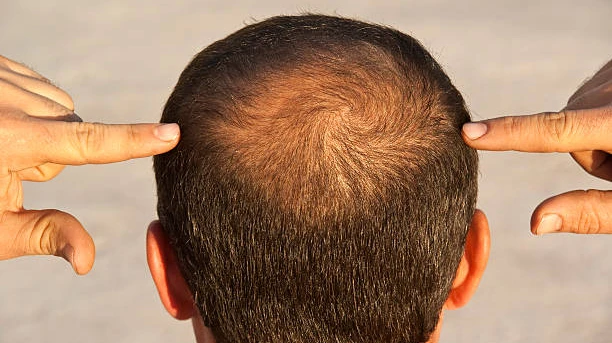
GFC treatment may help increase the appearance of hair volume by supporting existing follicles and encouraging healthier hair production.
Hair volume is closely connected to the number of active follicles, the thickness of individual strands, and the overall quality of hair growth. When follicles become weaker or produce finer strands, the hair can gradually lose its natural fullness and appear flatter or less dense. Regenerative approaches such as GFC Treatment for Hair in Abu Dhabi have attracted attention because they are designed to support existing hair follicles and encourage healthier growth. But can GFC treatment actually increase hair volume? Understanding how GFC works and how follicular activity influences fullness can help explain its potential role in improving the appearance of thinner hair.
What Determines Hair Volume?
Hair volume is influenced by several characteristics of the hair and scalp. The number of active follicles contributes to overall density, while the diameter of individual strands affects how much space the hair appears to occupy. Hair texture, growth pattern, and the distribution of follicles across the scalp also influence visual fullness.
When follicles gradually become less productive, they may produce thinner strands. Even when the number of follicles remains relatively stable, finer hair can make the scalp appear more visible and reduce overall volume.
For this reason, improving hair volume often involves supporting the follicles responsible for producing new hair rather than focusing only on the visible hair shaft.
What Is GFC Treatment for Hair?
GFC stands for Growth Factor Concentrate. It is a regenerative hair treatment that uses concentrated growth factors obtained from a person's own blood. Growth factors are biological signaling substances involved in cellular communication and tissue-supporting processes.
The prepared concentrate is introduced into selected scalp areas where hair appears thinner or less dense. Its purpose is to provide targeted regenerative signals around existing hair follicles and support their biological activity.
GFC does not transplant follicles from one part of the scalp to another. Instead, it focuses on helping existing follicles maintain or improve their activity, making it relevant to certain forms of gradual hair thinning.
How GFC May Increase Hair Volume
The potential relationship between GFC and hair volume is based on follicular activity. When a follicle produces a stronger and more substantial strand, that strand can contribute more to the overall appearance of fullness.
GFC delivers concentrated growth factors to targeted areas with the aim of supporting the cellular environment around existing follicles. These growth factors may encourage biological processes associated with follicular activity and healthy hair production.
If viable follicles respond to this support, newly produced hair may appear healthier and more substantial. As additional strands grow and mature, the treated area may gradually appear fuller.
Therefore, any increase in apparent volume is expected to come from supporting existing hair growth rather than instantly adding new follicles.
GFC and Hair Density
Hair density refers to the amount of hair growing within a particular scalp area. It is one of the main contributors to overall hair volume.
When follicles become less active, the number of visible strands may decrease, while the strands that remain can become finer. GFC may help support follicles that are still capable of producing hair, potentially contributing to improved visual density as new growth develops.
The treatment does not create additional follicles. Instead, it aims to encourage better activity from follicles that already exist. This distinction is important when considering how much improvement in volume may be possible.
Can GFC Make Fine Hair Look Fuller?
Fine hair can make the scalp appear less covered, especially around the crown, parting, or hairline. In some cases, follicles remain active but produce increasingly delicate strands.
GFC may support these follicles by providing concentrated growth factors to the surrounding scalp environment. If follicular activity improves, future hair growth may appear more substantial than before.
As new strands develop, the overall hair can potentially look fuller and more voluminous. The degree of visible change depends on the condition of the follicles and the underlying reason for hair thinning.
The Importance of Existing Follicles
GFC's potential to improve hair volume is closely connected to follicular viability. A follicle that continues to produce fine hair remains active and may have greater potential for regenerative support.
Areas with functioning follicles can respond differently from areas where follicular activity has been absent for an extended period. Since GFC is designed to support existing structures, the presence and condition of follicles are important factors in treatment planning.
A scalp assessment can help determine the extent of thinning and identify whether viable follicles remain in the areas where increased volume is desired.
GFC and Different Areas of the Scalp
Reduced hair volume can occur across different parts of the scalp. Some people notice decreased fullness around the crown, while others see changes along the hairline or parting.
GFC can be directed toward selected areas where follicles appear weakened or hair density has decreased. This targeted approach allows the treatment to focus on specific regions rather than treating hair volume as a purely cosmetic concern.
The potential outcome can vary according to the characteristics of each area. Follicular density, strand thickness, and the progression of thinning all influence how much visual improvement may become apparent.
How the Hair Growth Cycle Affects Volume
Hair follicles operate through a natural cycle that includes active growth, transition, and resting phases. These stages do not occur simultaneously for every follicle.
GFC is intended to support follicular activity within this natural biological process. It does not immediately change the growth cycle or produce instant volume.
As follicles progress through subsequent growth phases, newly produced strands can gradually contribute to the appearance of greater fullness. This means that changes in hair volume should be evaluated over time rather than immediately after treatment.
What Influences GFC Results?
The potential effect of GFC on hair volume varies from person to person. The underlying cause of hair thinning is an important consideration, as genetic factors, age, hormonal changes, nutritional influences, and other biological conditions can affect follicular performance.
The current condition of the follicles also matters. Individuals with many viable follicles may have different treatment potential from those with more advanced follicular changes.
Hair texture, natural growth rate, density, and the duration of thinning can further influence the visible outcome. These factors make individualized assessment important when considering GFC for increased hair volume.
Can GFC Provide Permanent Hair Volume?
GFC is intended to support existing follicles rather than permanently eliminate the biological factors that influence hair thinning. Genetics, aging, and other ongoing processes can continue to affect hair follicles after treatment.
For this reason, GFC should be viewed as a regenerative approach to follicular support rather than a guarantee of permanent volume. Some individuals may consider maintenance sessions as part of a longer-term approach to supporting hair quality and density.
The need for continued treatment depends on individual hair characteristics and how the follicles behave over time.
Setting Realistic Expectations About Hair Volume
Increasing hair volume is a gradual process because hair itself develops slowly. Even when follicles receive regenerative support, new strands require time to emerge, grow, and mature.
GFC is therefore not intended to provide an immediate dramatic change in hair fullness. Its potential lies in supporting the natural production of healthier-looking hair from existing follicles.
Understanding this process can help create realistic expectations. The degree of improvement depends on follicular viability and the individual's response rather than a guaranteed increase in volume for everyone.
Final Thoughts
GFC treatment may help increase the appearance of hair volume by supporting existing follicles and encouraging healthier hair production. Its growth-factor-based approach focuses on the biological environment around follicles that may have become weaker or less active.
Because hair volume depends on both follicular density and strand thickness, supporting viable follicles may contribute to a fuller appearance as new hair develops. However, GFC does not create new follicles, and its potential is therefore closely related to the condition of the existing hair-producing structures.
For individuals experiencing gradual thinning or reduced fullness, GFC can be considered a targeted regenerative approach. Understanding the cause of hair changes, evaluating follicular health, and allowing sufficient time for the natural hair-growth cycle are all important when assessing its potential to improve hair volume.
FAQs
Can GFC increase hair volume?
GFC may support existing follicles and contribute to a fuller appearance as healthier hair develops over time.
Does GFC increase the number of follicles?
No. GFC supports existing follicles rather than creating new ones.
Can GFC make thin hair look fuller?
It may encourage healthier hair production from viable follicles, potentially improving the appearance of fullness.
Does GFC improve hair density?
GFC may support existing follicles and potentially contribute to improved visual density in suitable areas.
Are GFC results immediate?
No. Hair growth is gradual, so changes in volume generally develop as follicles progress through their natural growth cycles.


Comments
Login to Comment