This disease will no longer be called PCOS, but PMOS. Find out why the name was changed
13 May, 2026
1763 Views 0 Like(s)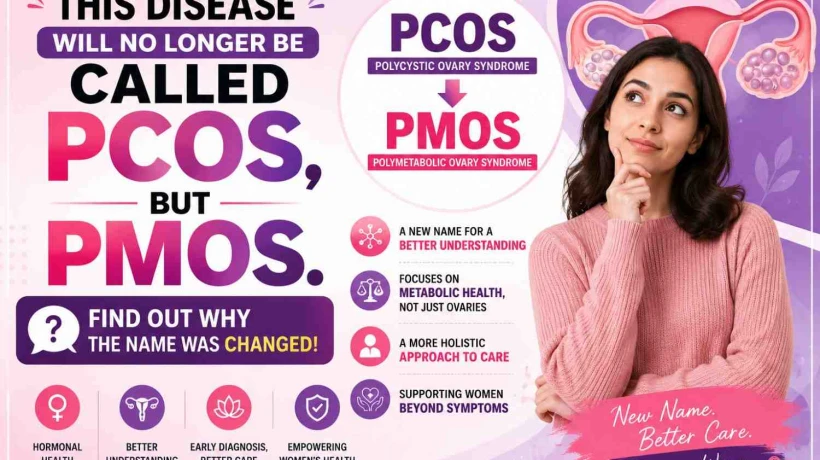
This disease will no longer be called PCOS, but PMOS. Find out why the name was changed
A major change has recently been announced in the medical world: the condition long known as Polycystic Ovary Syndrome (PCOS) will now officially be called Polyendocrine Metabolic Ovarian Syndrome (PMOS). The decision was made after years of global discussions among doctors, researchers, and women affected by the condition. Experts believe the old name was misleading and did not fully explain the seriousness and complexity of the disorder.
PCOS affects nearly 170 million women worldwide and is considered one of the most common hormonal disorders in women of reproductive age. However, for decades, many patients and healthcare professionals felt that the term “PCOS” focused too much on ovarian cysts and ignored the broader hormonal and metabolic problems linked to the condition.
Why Was the Name Changed?
The biggest reason behind the change is that the term “Polycystic Ovary Syndrome” is medically inaccurate. Many women diagnosed with PCOS do not actually have ovarian cysts. In fact, what appear as cysts on ultrasounds are often immature follicles, not true cysts. On the other hand, some women may have polycystic-looking ovaries but do not have the syndrome at all.
Because of this confusion, many patients were either misdiagnosed or diagnosed very late. Doctors often focused only on reproductive symptoms instead of understanding the condition as a full-body hormonal and metabolic disorder. Experts say the new name, PMOS, better reflects the actual nature of the disease.
The new term highlights three major aspects of the condition:
- Polyendocrine – It affects multiple hormone-producing glands in the body.
- Metabolic – It impacts metabolism, insulin resistance, obesity risk, and diabetes.
- Ovarian – It still affects reproductive health and ovulation.
This updated name aims to improve awareness, diagnosis, and treatment.
A 14-Year Global Effort
The renaming process was not sudden. It took almost 14 years of research, surveys, and discussions involving more than 50 medical organizations and thousands of patients worldwide. The initiative was led by experts including endocrinologist Helena Teede from Monash University.
Researchers gathered feedback from over 14,000 women and healthcare professionals across different countries before deciding on the new name. The findings and official announcement were published in the medical journal The Lancet and presented at the European Congress of Endocrinology in Prague.
What Symptoms Are Linked to PMOS?
Although the name has changed, the symptoms remain the same. PMOS can affect several systems in the body. Common symptoms include:
- Irregular or missed periods
- Excess facial or body hair
- Acne and oily skin
- Weight gain
- Difficulty losing weight
- Hair thinning
- Fertility issues
- Mood disorders like anxiety and depression
The condition is also strongly linked with insulin resistance, type 2 diabetes, heart disease, obesity, and high blood pressure.
Many experts believe the old name caused people to underestimate these serious health risks because it sounded like only an ovarian problem. The new name emphasizes that PMOS is a complex endocrine and metabolic disorder affecting the whole body.
How Will This Change Help Patients?
Doctors and researchers hope the new terminology will lead to:
- Earlier diagnosis
- Better treatment plans
- More awareness among doctors and patients
- Reduced stigma
- Increased research funding
Studies suggest that nearly 70% of women with PCOS remained undiagnosed due to confusion around the condition. By using a more scientifically accurate name, healthcare providers may better understand and treat the disorder.
Many women living with the condition have welcomed the change. Social media discussions and online communities say the new name finally validates their experiences and recognizes that the disease involves much more than ovarian cysts.
Will Treatment Change?
The diagnostic process and treatments will largely remain the same for now. Lifestyle management, exercise, healthy eating, hormonal medications, and insulin-related treatments are still commonly used. However, experts believe the new classification could encourage more holistic treatment approaches that focus not only on fertility but also on metabolic and mental health.
Medical organizations are expected to gradually adopt the term PMOS over the next few years, with international guidelines likely to be updated by 2028.
The renaming of PCOS to PMOS marks an important moment in women’s healthcare. More than just a name change, it reflects a deeper understanding of a condition that has affected millions of women for decades. Experts hope this step will finally bring better recognition, diagnosis, and support for those living with the disorder.

Comments
Login to Comment