How Google Is Moving The Needle On AI, Tony Stark-Style
13 May, 2026
1776 Views 0 Like(s)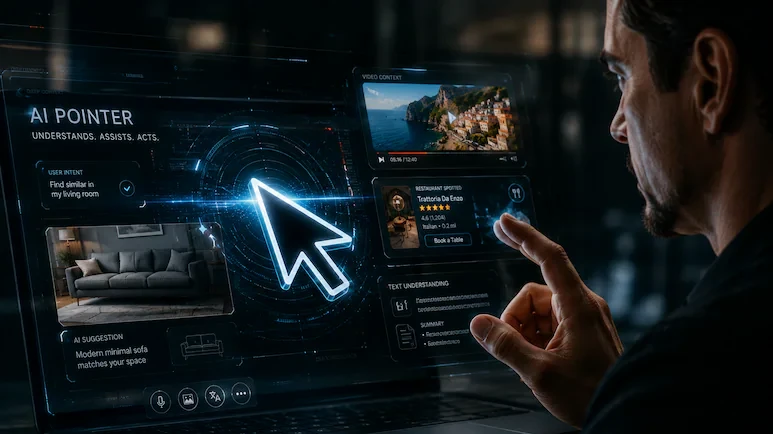
How Google Is Moving The Needle On AI, Tony Stark-Style
Artificial Intelligence is no longer just a futuristic concept seen in superhero movies. What once looked like science fiction in films featuring genius inventors and voice-controlled assistants is now becoming part of everyday life. Among the biggest companies driving this transformation is Google, which is rapidly reshaping how people interact with technology in a way that feels remarkably similar to the world of Tony Stark.
From AI-powered assistants to smart productivity tools and futuristic wearable concepts, Google is pushing the boundaries of innovation. The company’s latest advancements suggest a future where machines do more than follow commands — they understand context, predict needs, and assist humans intelligently.
AI That Feels More Human
One of Google’s biggest breakthroughs is creating AI systems that interact naturally with people. Its Gemini AI platform has become central to this vision. Instead of simply answering questions, the AI can summarize documents, generate images, write code, analyze data, and even hold complex conversations.
This feels very close to the fictional JARVIS assistant from the Iron Man universe — an AI capable of understanding instructions, responding intelligently, and helping its user make faster decisions.
Google has integrated AI deeply into products people already use daily, including Gmail, Google Docs, Android devices, and Search. Features like smart email drafting, AI-generated summaries, and contextual search results are designed to reduce effort and improve productivity.
The idea is simple: make technology feel less mechanical and more intuitive.
Search Is Becoming Smarter
For years, search engines worked by matching keywords. But Google’s AI-powered search experience is changing that dramatically. Instead of giving users a long list of links, AI now provides direct, conversational answers.
Google’s AI Overviews feature can summarize information from multiple sources and present it in an easy-to-read format. This makes searching feel more like talking to an intelligent assistant rather than browsing a traditional search engine.
The shift represents a major evolution in how people access information online. Users increasingly expect instant understanding rather than endless scrolling.
AI Inside Android Devices
Google is also making smartphones smarter through on-device AI. Modern Android phones can now perform advanced tasks such as real-time language translation, voice recognition, image editing, and call assistance without relying heavily on cloud servers.
This means AI features become faster, more secure, and more personalized. Imagine pointing your phone camera at a foreign-language sign and instantly seeing it translated in real time. These capabilities are becoming standard thanks to Google’s AI ecosystem.
The company is working toward devices that proactively assist users before they even ask for help. Calendar reminders, travel suggestions, smart replies, and adaptive battery management are all examples of AI quietly improving daily life.
AI Creativity Is Expanding
Google is also entering the creative AI race aggressively. Its image and video generation tools are helping users create content with simple text prompts. Musicians, writers, designers, and marketers can now use AI to accelerate their workflow and generate ideas quickly.
The technology is changing how content is produced across industries. Small creators and businesses now have access to tools that once required entire production teams.
This democratization of creativity mirrors the high-tech innovation often shown in futuristic movies, where advanced systems help humans bring ideas to life instantly.
The Rise Of AI Agents
Perhaps the most “Tony Stark-style” development is Google’s work on AI agents. These systems are being designed to complete tasks autonomously rather than simply responding to commands.
For example, future AI assistants may book appointments, organize schedules, summarize meetings, manage travel plans, and interact with apps on behalf of users. Instead of opening multiple apps manually, users may simply tell the AI what they want done.
This approach could fundamentally change how people use smartphones and computers.
Google believes AI should evolve from a tool into an active digital companion.
Challenges And Concerns
Despite the excitement, AI development also brings concerns. Critics worry about misinformation, privacy issues, job displacement, and overdependence on technology. Google has repeatedly stated that responsible AI development remains a priority.
The company is investing in AI safety, transparency, and ethical guidelines to ensure the technology benefits society rather than harms it.
Governments and regulators worldwide are also closely monitoring how powerful AI systems are developed and deployed.
The Future Looks Futuristic
The pace of AI innovation is accelerating rapidly, and Google remains one of the biggest players shaping the future. What once seemed impossible — talking naturally with machines, generating content instantly, or receiving predictive assistance — is now becoming reality.
The comparison to Tony Stark’s world no longer feels exaggerated. While we may not have flying Iron Man suits yet, AI assistants that understand, respond, and help intelligently are already here.
Google’s vision is clear: create technology that works seamlessly in the background, making life easier, smarter, and more connected.
And if current trends continue, the future may look even more futuristic than fiction imagined.


Comments
Login to Comment