The Complete Guide to Wholesale Patch Manufacturing: What Buyers Need to Know
26 Sep, 2026
12 Views 0 Like(s)
Custom patches have become a staple across fashion, sports, workwear, military gear, and promotional merchandise.
Whether you're a brand owner building a clothing line, a team outfitting uniforms, or an entrepreneur exploring a new product niche, understanding how bulk patch production works can save you money and help you avoid costly mistakes.
What Does a Wholesale Patch Producer Actually Do?
At its core, a bulk patch supplier takes a design concept and turns it into a finished product at scale. This involves digitizing artwork, selecting the right base material (twill, felt, PVC, or leather), choosing thread colors, and running the pieces through embroidery machines, heat presses, or molding equipment depending on the patch style.
Beyond production, most suppliers also handle:
- Design mockups so you can approve the look before committing to a large order
- Backing options like iron-on, sew-on, Velcro, or adhesive
- Quality control to catch stitching errors, color mismatches, or sizing issues
- Packaging and shipping for orders that range from a few hundred to tens of thousands of units
Common Patch Styles You'll Encounter
Not all patches are made the same way, and the method affects both price and appearance:
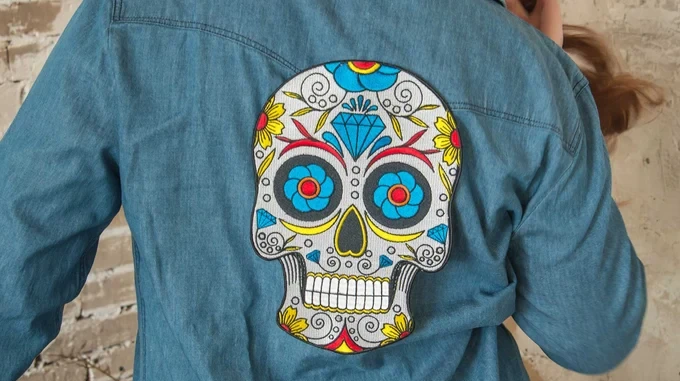
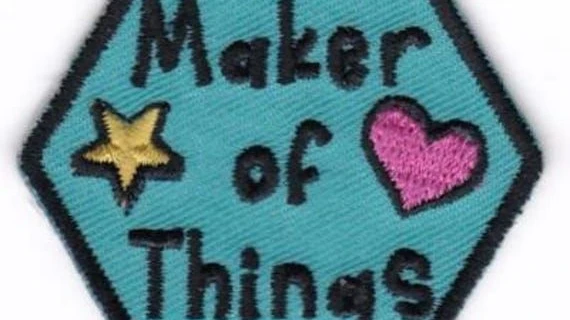
- Embroidered patches – The classic textured look, made by stitching thread onto a fabric backing. Great for logos, team badges, and traditional designs.
- Woven patches – Thinner and flatter than embroidery, ideal for intricate details and small text that embroidery can't capture cleanly.
- PVC and rubber patches – Molded from soft plastic, these are waterproof and durable, popular for outdoor gear, tactical apparel, and morale patches.
- Leather and faux leather patches – Often used on hats and denim for a rugged, premium aesthetic.
- Chenille patches – Thick, textured, and often associated with varsity jackets and letterman-style branding.
- Sublimation and full-color print patches – Best for photorealistic designs or gradients that other methods can't replicate.
How to Choose the Right Supplier
When comparing options, look past just the per-unit price. A reliable patch manufacturers wholesale partner should offer transparent pricing, sample approval before full production, reasonable minimum order quantities, and clear turnaround times. Ask about their material sourcing and whether they can match specific Pantone colors if brand consistency matters to you.
It's also worth checking customer reviews and requesting a physical sample of previous work. Photos on a website can be misleading — the actual weight, stitch density, and finish of a patch often only become clear once you hold it in your hands.
Understanding Pricing
Costs vary significantly based on size, material, complexity, and order volume:
- Basic embroidered patches in bulk typically run $0.50–$2 per piece at larger quantities
- PVC, leather, and specialty materials tend to fall between $1.50–$4+ per piece
- Smaller orders always cost more per unit since setup fees get spread across fewer pieces
- A batch of 100 standard embroidered patches often lands somewhere between $200 and $500 depending on specifications
Always request a formal quote based on your exact design, since factors like thread count, stitch complexity, and backing type can shift the final number.
Where to Buy in Bulk
There are three general routes for sourcing:
- Online marketplaces like Amazon and eBay, where you can quickly compare multiple sellers, read reviews, and often get faster shipping — though quality can vary seller to seller.
- Dedicated patch companies that specialize purely in custom manufacturing, offering more consistent quality, design support, and pricing calculators tailored to bulk orders.
- Local or regional manufacturers, useful if you want to inspect samples in person or need a faster turnaround without international shipping delays.
Turning Bulk Patches Into a Business
Many small business owners get into this space precisely because demand is steady. Schools, sports teams, motorcycle clubs, military collectors, and fashion brands all need patches regularly. The basic model is straightforward: source patches at a lower per-unit cost through bulk ordering, then resell them individually or in small sets at a markup through an online store, at events, or via direct partnerships with organizations.
Success in this niche usually comes down to consistent quality, quick communication with customers, and offering some level of customization — even small businesses can compete with larger players if they're responsive and reliable.
Final Thoughts
Bulk patch production sits at the intersection of craftsmanship and manufacturing efficiency. Whether you're outfitting a team, launching a merchandise line, or starting a resale business, working with an experienced patches maker can help you get consistent quality without the guesswork. Take time to compare a few suppliers, request samples, and clarify pricing before committing to a large order — it's the easiest way to avoid disappointment down the line.
Comments
Login to Comment