Custom Patches 101: Types, Durability, and How to Choose the Right One
26 Sep, 2026
6 Views 0 Like(s)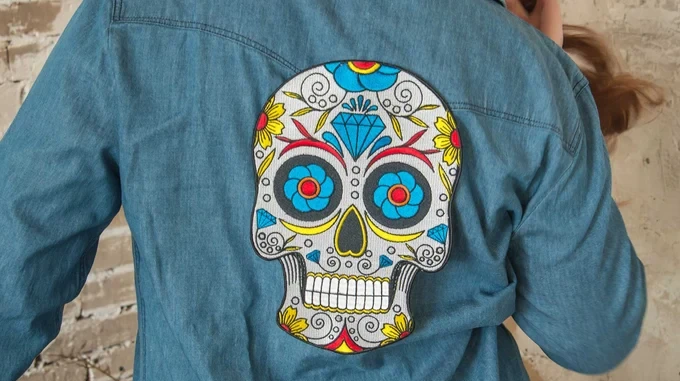
Patches have quietly become one of the most versatile branding and personalization tools around — showing up on jackets, caps, backpacks, uniforms, and biker vests alike.
But not all patches are built the same, and picking the wrong type can mean a design that fades, curls, or falls apart long before you're ready to retire it. If you're planning a custom order, understanding the material options in front of you is the difference between a Which type of patch lasts longer and looks sharp for years and one that needs replacing after a single season.
The Main Types of Patches
Before comparing durability, it helps to know what's actually available:
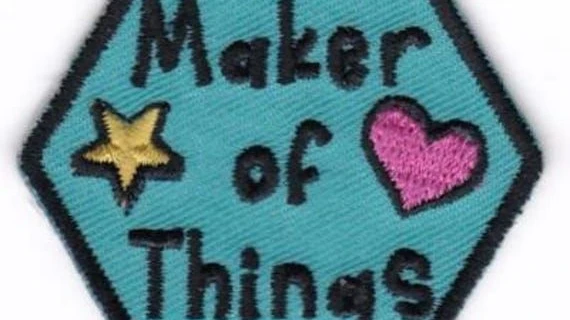
Embroidered patches are made by stitching colored thread onto a fabric backing. They're the classic choice for team logos, name tags, and uniform badges, offering a textured, tactile finish.
Woven patches use finer thread woven tightly together, which allows for more intricate detail than standard embroidery — ideal for small text or fine linework.
Leather patches (genuine or faux) are cut from real or synthetic leather and customized through embossing, debossing, laser engraving, or printing. They're popular for hats, bags, and branded apparel because of their rugged yet polished look.
PVC and rubber patches are molded from flexible plastic, giving them a raised, 3D appearance that's naturally resistant to water and grime.
Chenille patches use thick, looped yarn for a vintage varsity-jacket texture, often seen on letterman jackets and collegiate apparel.
Printed or full-color patches apply designs directly onto fabric, useful for photorealistic or gradient-heavy artwork that embroidery can't easily replicate.
Which Type of Patch Lasts Longer?
Durability comes down to material composition and how well a patch resists the elements it's exposed to — sun, water, friction, and repeated washing.
- Genuine leather patches consistently rank among the most durable options. Real leather ages well, resists cracking, and holds embossed or laser-engraved designs permanently, making it a favorite for outdoor gear, hats, and work apparel that takes a beating.
- PVC/rubber patches are a close second. Because they're essentially molded plastic, they shrug off rain, mud, and sun exposure without fading, which is why they're common on tactical and military gear.
- Woven and embroidered patches hold up well against everyday wear but can fray at the edges over time if not properly sewn or sealed.
- Faux leather offers a similar look to genuine leather at a lower cost, but it's generally less resistant to long-term wear, extreme heat, or repeated flexing.
- Printed patches, while excellent for detailed artwork, tend to fade fastest under UV exposure and heavy washing since the design sits on the surface rather than being woven or embossed into the material.
In short, if longevity is your top priority, genuine leather and PVC patches are typically the strongest choices, while embroidery and woven patches strike a good balance between durability and cost.
How Patches Are Applied
The application method matters just as much as the material:
- Sewing is the most permanent option, ideal for patches that need to survive frequent washing or heavy use.
- Iron-on works well for lighter fabrics like caps and bags but can loosen over time with repeated washing.
- Glue is best suited for leather garments and non-fabric surfaces, offering a quick, no-sew alternative.
Customization Techniques Worth Knowing
For leather specifically, a few techniques stand out:
- Laser engraving creates crisp, permanent designs with smooth edges.
- Embossing/debossing presses a raised or recessed pattern into the leather for a tactile, premium finish.
- Hot stamping uses heat and pressure to apply metallic foils or logos permanently.
- Direct-to-film printing allows for full-color designs pressed onto the patch surface.
Wholesale vs. No-Minimum Orders
If you need a handful of patches for a personal project or a small brand launch, no-minimum ordering lets you get exactly the quantity you need without committing to bulk pricing. Wholesale orders, on the other hand, make sense once you're producing at scale — usually 50 to 100+ pieces — since per-unit costs drop significantly.
Choosing the Right Patches Maker
Whichever type you land on, working with an experienced patches maker matters as much as the material itself. A good manufacturer will guide you on backing options, stitching quality, and finishing techniques so your patches hold up as long as the material allows — rather than cutting corners that shorten their lifespan regardless of what they're made from.
Final Thoughts
There's no single "best" patch — the right choice depends on where it's going and how much wear it needs to survive. For maximum durability, genuine leather and PVC rubber patches are hard to beat. For detailed, colorful designs, embroidery and printed patches offer more creative flexibility, even if they don't quite match leather's lifespan. Matching the material to its intended use — and having it properly applied — is the real secret to a patch that lasts.
Comments
Login to Comment