Can PRP Hair Treatment Be Combined With Other Hair Treatments?
26 Sep, 2026
6 Views 0 Like(s)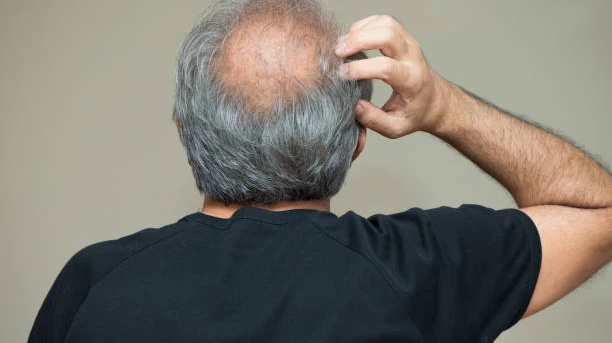
PRP Hair Treatment in Riyadh offers a non-surgical approach to addressing hair thinning. Learn about the procedure, benefits, recovery, and what results you may expect.
Hair loss can have multiple contributing factors, and one treatment may not address every aspect of the problem. For this reason, healthcare professionals may sometimes consider combining different approaches to support hair density and scalp health. PRP Hair Treatment in Riyadh may be incorporated into a broader hair restoration plan alongside selected treatments, depending on the cause and pattern of hair loss. Understanding how combination therapy works can help patients know what to discuss during a professional consultation.
Why Combine PRP With Other Hair Treatments?
PRP uses platelet-rich plasma prepared from the patient's own blood and delivered into targeted areas of the scalp. Platelets contain growth factors involved in tissue repair and cellular signaling, which may help create a supportive environment for existing hair follicles. Combining PRP with another treatment may address hair loss through a different mechanism rather than relying on one approach alone.
The Importance of an Individualized Plan
Combination treatment is not automatically appropriate for everyone. A professional may first assess the type of hair loss, follicle condition, scalp health, medical history, medications, and previous treatments. These factors help determine whether combining therapies is reasonable and how they should be scheduled.
PRP and Topical Hair Treatments
Topical hair-loss medications are applied directly to the scalp and may be used to support the hair-growth cycle in appropriate patients. They generally require regular application and continued use according to professional recommendations.
How They May Work Together
PRP and topical treatments have different delivery methods and mechanisms. PRP is administered during clinical sessions, while topical products are typically used as part of an ongoing home routine. In selected cases, a professional may include both in a treatment plan to provide different forms of support for thinning hair.
PRP and Oral Hair Loss Medications
Certain oral medications may be prescribed for specific forms of hair loss, particularly when genetic or hormonal factors are involved. Because these medicines work systemically, they require an assessment of medical history, possible interactions, and individual suitability.
Combining Medication With PRP
Some patients may undergo PRP while continuing an appropriate oral medication under medical supervision. The purpose is not necessarily to replace medication with PRP but to use treatments with different mechanisms when clinically suitable. Patients should never start, stop, or change prescription hair-loss medication without discussing it with a qualified healthcare professional.
PRP and Microneedling
Microneedling uses controlled mechanical stimulation to create tiny punctures in the scalp. This process may trigger a wound-healing response and is sometimes incorporated into hair restoration protocols.
Can Both Treatments Be Used Together?
PRP and microneedling may sometimes be combined because they provide different forms of stimulation. However, the timing, depth, frequency, and suitability of microneedling should be determined professionally. Combining procedures without appropriate guidance can increase scalp irritation or other complications.
PRP and Hair Transplantation
Hair transplantation and PRP serve different purposes. A transplant physically moves suitable hair follicles from a donor area to areas affected by hair loss, while PRP is intended to support existing follicles.
PRP Around Hair Transplant Procedures
In some treatment plans, PRP may be considered before or after a hair transplant as a supportive procedure. The exact timing and usefulness depend on the individual's condition and the clinician's protocol. PRP does not replace transplantation when an area has extensive permanent follicle loss.
Can PRP Be Combined With Scalp Treatments?
Scalp health can influence the appearance and condition of hair. Certain patients may have issues such as excessive oiliness, inflammation, buildup, or other scalp concerns that require separate management.
Treating the Scalp First
If an underlying scalp problem is present, addressing it may be an important part of the overall hair-loss plan. A professional can determine whether scalp treatments should be completed before PRP, performed separately, or incorporated into a broader treatment schedule.
What Should You Avoid When Combining Treatments?
More treatments do not necessarily mean better results. Using multiple procedures too close together or adding products without professional guidance may irritate the scalp and make it difficult to determine which treatment is producing a particular response.
Follow a Structured Treatment Schedule
Patients should follow the recommended intervals between procedures and disclose all hair products, medications, supplements, and treatments they are using. This information allows the provider to identify potential conflicts and create a safer, more organized treatment plan.
How Is the Right Combination Selected?
The appropriate combination depends primarily on the diagnosis. Genetic hair loss may require a different strategy from temporary shedding caused by stress, nutritional problems, hormonal changes, or an underlying scalp condition.
Factors a Professional May Consider
During an assessment, the provider may consider the duration and pattern of hair loss, the condition of existing follicles, scalp health, previous treatment response, and the patient's goals. Based on these factors, the professional can explain whether PRP alone or a combination approach may be appropriate.
What Results Can You Expect From Combination Therapy?
Results vary according to the treatments used and the underlying cause of hair loss. Hair growth is a gradual biological process, so improvements may take time to become noticeable. A combination plan may also require different treatment schedules and follow-up periods for each therapy.
Realistic Expectations Matter
Combination therapy should not be viewed as a guarantee of faster or greater hair growth. The goal is to select treatments that complement one another while addressing the specific factors contributing to hair loss. PRP Hair Treatment in Riyadh can be one component of such a plan when a qualified professional considers it suitable.
Is Combining Treatments Safe?
Combining treatments can be appropriate when the therapies are compatible and properly supervised. However, every procedure and medication has its own potential risks, precautions, and contraindications. Professional evaluation is therefore important before multiple treatments are started.
Why Professional Supervision Is Important
A qualified provider can help coordinate treatment timing, monitor scalp and hair changes, and adjust the plan when necessary. Patients should provide complete information about previous procedures and current medications to reduce avoidable risks.
Book an Appointment at Royal Clinic Saudia
If you are considering PRP Hair Treatment in Riyadh alongside another hair-loss approach, Royal Clinic Saudia can help you explore your options through a professional consultation. An individualized assessment can determine which treatments may be suitable for your hair-loss pattern and goals.
FAQs
Can PRP be combined with medication for hair loss?
In some cases, PRP may be used alongside suitable hair-loss medication. The combination should be planned and monitored by a qualified healthcare professional.
Can PRP and microneedling be done together?
They may be combined in selected treatment plans, but the timing and technique should be determined by a professional based on scalp condition and individual needs.
Can PRP replace a hair transplant?
PRP does not replace a hair transplant when hair follicles are permanently absent from an area. PRP is generally intended to support existing follicles, whereas transplantation moves follicles to another location.
Is combination treatment suitable for everyone?
No. Suitability depends on the cause of hair loss, scalp health, medical history, medications, and the specific treatments being considered. A professional assessment is recommended before combining therapies.

Comments
Login to Comment