Alopecia Areata Treatment Guide to Managing Recurring Hair Loss Concerns
26 Sep, 2026
7 Views 0 Like(s)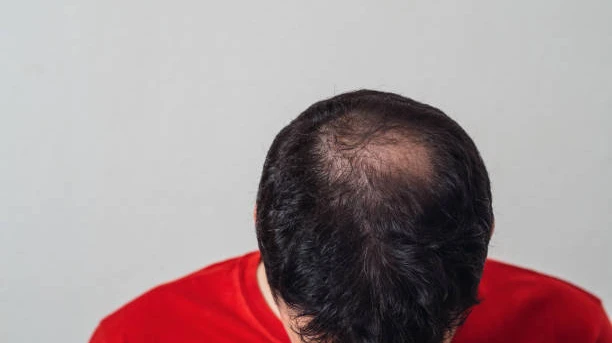
Alopecia Areata Treatment in Riyadh may help manage recurring hair loss by addressing active symptoms and supporting suitable regrowth strategies based on the individual's condition.
Alopecia areata is an autoimmune condition that can cause sudden, patchy hair loss when the immune system mistakenly affects hair follicles. Some individuals experience periods of hair regrowth followed by the appearance of new bald patches. Alopecia Areata Treatment in Riyadh may help manage recurring hair loss by addressing active symptoms and supporting suitable regrowth strategies based on the individual's condition.
Recurring alopecia areata can affect the scalp, eyebrows, eyelashes, beard, or other hair-bearing areas. Since the condition is generally non-scarring, affected follicles may remain capable of producing new hair. However, the pattern and frequency of recurrence can differ between individuals. Alopecia Areata Treatment in Riyadh therefore requires an individualized assessment rather than relying on the same approach for every episode.
Recognizing Recurring Hair Loss
New Bald Patches
A new smooth, round, or oval patch may indicate another episode of hair loss. Checking the scalp regularly can help identify changes before they become more noticeable.
Changes in Existing Areas
Previously affected areas may show renewed thinning or hair loss. Comparing current hair coverage with earlier photographs can make gradual changes easier to recognize.
Hair Loss in Other Areas
Recurrence is not necessarily limited to the scalp. Some people may notice changes involving eyebrows, eyelashes, beard hair, or other body hair.
Why Can Hair Loss Recur?
Ongoing Autoimmune Activity
Alopecia areata is linked to an abnormal immune response involving hair follicles. Disease activity can vary over time, which may contribute to periods of hair loss and regrowth.
Individual Disease Pattern
Some people experience isolated episodes, while others may have repeated or more persistent hair loss. A specialist can evaluate the pattern to help guide ongoing management.
Treatment Approaches for Recurring Concerns
Topical Treatments
Prescribed topical medications, including corticosteroids, may be considered for selected localized cases. They are intended to reduce inflammation around affected follicles and should be used under professional guidance.
Localized Injections
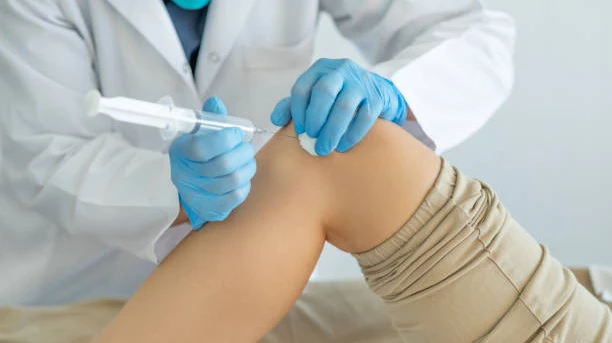
Corticosteroid injections may be appropriate for certain patches. The treatment is directed into affected areas and may be repeated depending on the clinical response.
Systemic and Targeted Therapies
When hair loss is extensive, persistent, or frequently recurring, systemic or targeted therapies may be considered. Certain JAK inhibitors can be suitable for some patients following an assessment of medical history, disease severity, potential risks, and monitoring needs.
Managing Hair During Recurring Episodes
Follow Gentle Hair Practices
Gentle washing and brushing can help protect existing hair. Avoid tight hairstyles, excessive pulling, and aggressive styling that may place additional stress on vulnerable hair.
Protect Exposed Scalp
Reduced hair coverage leaves affected scalp areas more exposed to sunlight. Appropriate headwear and sunscreen on exposed skin can provide useful protection outdoors.
Support General Hair Health
A balanced diet and adequate nutrition support normal hair growth. However, supplements should not be viewed as a treatment for alopecia areata unless a qualified professional identifies a relevant deficiency.
Monitoring Your Condition
Keep a Hair-Loss Record
Photographs taken periodically under similar lighting can help track changes in existing patches and identify new areas of hair loss.
Attend Follow-Up Appointments
Regular professional assessment can help determine whether the condition is active and whether the current management plan remains appropriate.
Recognize Early Changes
Early recognition of new patches can make it easier to seek timely professional guidance. Sudden or unexplained hair loss should be assessed rather than attributed automatically to alopecia areata.
Building a Long-Term Management Plan
Recurring hair loss can be frustrating, but understanding the condition and monitoring changes can make ongoing management more structured. Alopecia Areata Treatment in Riyadh may involve different therapies over time depending on disease activity, affected areas, previous treatment response, and overall health. A personalized plan can be adjusted when the condition changes.
Book an Appointment
If you are experiencing repeated bald patches or renewed hair loss after previous regrowth, professional evaluation can help identify the current pattern and suitable management options. At Royal Clinic Saudi, a specialist can assess your scalp and hair concerns and discuss a personalized approach for managing recurring episodes and supporting healthier hair.
FAQs
Can alopecia areata come back after hair regrowth?
Yes. Recurrence can occur even after successful regrowth.
Does recurring hair loss mean the condition is permanent?
No. Hair may regrow again, although the course varies between individuals.
Should new bald patches be professionally assessed?
Yes. Assessment can help confirm the cause and guide appropriate care.
Can hair care prevent recurrence?
Gentle hair care protects existing hair but does not prevent the autoimmune activity causing alopecia areata.

Comments
Login to Comment