Swimming Pool Ladders: What Pool Layouts Reveal About the Right Choice?
28 Oct, 2026
9 Views 0 Like(s)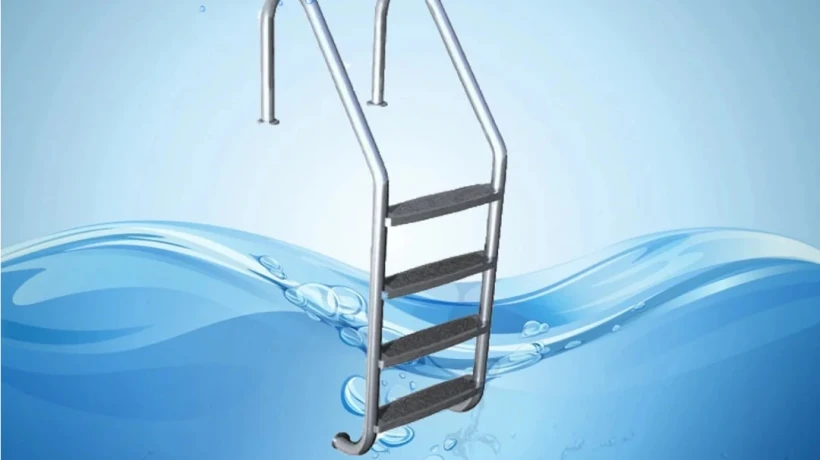
Selecting appropriate swimming pool ladders helps pool owners plan convenient access while ensuring that the equipment fits the pool's design and intended use.
A swimming pool ladder may look like a simple piece of equipment, but choosing the right one requires more thought than checking its appearance. Pool depth, wall construction, surrounding space, and the way people enter and leave the water all influence which ladder is suitable. Selecting appropriate swimming pool ladders helps pool owners plan convenient access while ensuring that the equipment fits the pool's design and intended use.
This becomes especially important when installing a new pool, replacing an older ladder, or upgrading a facility that serves different types of swimmers.
The Pool Structure Should Guide Your Decision
Before comparing ladder designs, examine the structure of the swimming pool. Some pools have raised edges, while others have steps or specially designed entry areas. The available mounting surface and the space surrounding the pool can affect which ladder can be installed properly.
Measurements should be taken carefully rather than relying on visual estimates. Check the pool's depth, edge height, mounting requirements, and the manufacturer's recommended installation method.
For an existing pool, inspect the current mounting points before ordering a replacement. A ladder that looks similar to the old model may still have different dimensions or fixing requirements.
Consider Movement Around the Pool
Pool access is not only about getting into the water. Swimmers also need enough room to approach the ladder, hold the handrails, and climb out without unnecessary difficulty.
The surrounding deck should be assessed for obstructions, slippery areas, and space for safe movement. In smaller residential pools, positioning can be particularly important because furniture, walls, or landscaping may restrict access.
Commercial swimming pools require additional planning because several people may use the facility within a short period. The location of the ladder should support the pool's overall layout without obstructing other activities.
Material Selection Matters in a Wet Environment
Swimming pool ladders are regularly exposed to water, cleaning chemicals, and environmental conditions. Their construction material should therefore be suitable for the specific pool environment.
Stainless steel is commonly used for pool ladders, but the appropriate grade depends on factors such as water chemistry, salt exposure, and the manufacturer's specifications. Buyers should not assume that every stainless-steel product offers the same corrosion resistance.
It is also worth checking the condition of handrails, steps, fasteners, and mounting components. Regular inspection can help identify corrosion, looseness, or visible damage before these issues become more serious.
Match the Ladder to the People Using the Pool
A ladder intended for a private family pool may have different practical requirements from one installed at a hotel, sports club, or fitness centre.
Consider the expected users, frequency of use, pool depth, and applicable safety requirements. Step spacing, grip, handrail design, and secure installation should all be reviewed against the product specifications.
No ladder should be treated as a substitute for appropriate supervision or other required pool safety measures. Owners should follow the manufacturer's installation and maintenance instructions and arrange professional installation when necessary.
When Should an Existing Pool Ladder Be Replaced?
A ladder does not always need replacing simply because it has been installed for several years. Its condition and suitability are more important than age alone.
However, visible corrosion, unstable mounting, damaged steps, loose fasteners, or persistent movement should prompt a closer inspection. If the ladder cannot be restored to a safe condition, replacement may be appropriate.
Before purchasing a new model, confirm the measurements and installation requirements. This can help prevent delays and reduce the likelihood of buying equipment that does not fit the existing structure.
Exploring Swimming Pool Ladders With DS Water Technology
DS Water Technology supplies swimming pool products for residential and commercial projects, including swimming pool ladders and other equipment used in pool installations and maintenance.
When comparing available options, pool owners should evaluate dimensions, construction materials, installation arrangements, and suitability for the intended application. Checking these details before purchasing can make the selection process more straightforward.
A Practical Approach to Better Pool Access
The right ladder should complement the pool's structure rather than force the surrounding area to accommodate an unsuitable design. By considering measurements, materials, user requirements, and installation conditions, pool owners can make more informed decisions. Whether planning a new swimming facility or replacing existing equipment, careful ladder selection supports convenient access and helps maintain a functional pool environment over time.



Comments
Login to Comment