Sustainable Home Interiors: The Appeal of Reclaimed Wood and
04 Nov, 2026
14 Views 0 Like(s)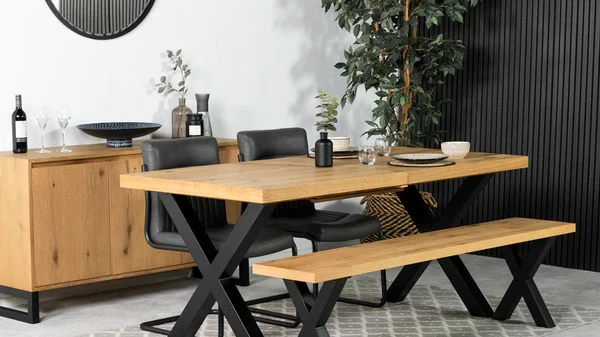
As homeowners become increasingly interested in responsible consumption and long-lasting products, reclaimed wood furniture is gaining attention. Its distinctiv
Creating a beautiful home does not always require buying the latest furniture or following every interior design trend. In fact, some of the most interesting interiors are built around furniture that combines timeless design, practical functionality and natural materials. Reclaimed wood is an excellent example of how traditional materials can bring character and individuality into modern homes.
As homeowners become increasingly interested in responsible consumption and long-lasting products, reclaimed wood furniture is gaining attention. Its distinctive appearance, varied textures and history make it an attractive option for people who want something different from mass-produced furniture.
However, creating a sustainable and visually appealing home involves more than choosing reclaimed timber. Furniture quality, material sourcing, durability and the overall design of a room should all be considered.
Understanding Reclaimed Wood Furniture
Reclaimed wood is timber recovered from previously used structures, furniture, buildings and other sources. Instead of discarding the material, it can be processed and reused to manufacture new furniture.
One of the most appealing characteristics of reclaimed timber is its individuality. Natural grain variations, small imperfections and changes in colour can give each piece a distinctive appearance.
Unlike furniture manufactured using uniform new timber, reclaimed wood may display marks that reflect its previous use. These characteristics can introduce a sense of history and authenticity into an interior.
The material can be used to create dining tables, coffee tables, cabinets, shelving and other household furniture. Its versatility makes it suitable for rustic, industrial, farmhouse and contemporary interiors.
Why Reclaimed Wood Works Well in Dining Rooms
The dining room is an excellent place to introduce reclaimed wood furniture because a dining table naturally becomes the focal point of the space.
A reclaimed timber table can create a warm and welcoming atmosphere. Its natural texture provides visual interest, while the solid appearance can complement a variety of seating styles.
Homeowners considering a reclaimed wood dining table can explore different finishes and designs to find an option that suits their dining space.
A reclaimed wood table can be paired with upholstered chairs for a comfortable appearance or metal-framed seating for a more industrial look.
The combination of different materials can help create a balanced interior without making the room feel overly traditional.
The Environmental Considerations of Reusing Timber
Reusing existing materials can offer environmental advantages. When suitable timber is recovered and reused, it may reduce the demand for newly harvested wood and help prevent usable material from becoming waste.
However, the sustainability of a furniture product depends on several factors, including how the timber was sourced, processed, transported and manufactured.
Consumers should therefore look beyond marketing descriptions and consider whether a retailer provides useful information about its materials and supply chains.
Durability is another important consideration. Furniture that remains functional for many years may reduce the need for frequent replacement.
Choosing timeless designs instead of short-lived trends can also support more responsible purchasing habits.
Combine Reclaimed Wood with Modern Interior Design
Reclaimed wood does not need to be limited to traditional or rustic homes. It can also work beautifully in contemporary interiors.
The key is to balance its natural texture with cleaner finishes and simpler furniture shapes.
For example, a reclaimed dining table can be paired with minimalist chairs, neutral walls and modern pendant lighting. This combination creates contrast without making the room feel visually crowded.
In living rooms, reclaimed timber coffee tables can work alongside contemporary sofas and understated accessories.
Homeowners can also introduce reclaimed wood through smaller furniture pieces, such as side tables, shelving and decorative cabinets.
A limited number of statement pieces is often more effective than using reclaimed timber throughout every part of a room.
Choosing Quality Furniture for Long-Term Use
Sustainable home design should also consider how long furniture is expected to last.
Before purchasing a dining table or cabinet, inspect the construction, joints, frame and finish. A visually attractive piece may not provide good long-term value if its construction is weak.
Check the product dimensions and consider whether the furniture will suit your household's changing needs.
For example, a dining table that accommodates the family today may need additional seating capacity when guests visit. An adaptable design can provide greater flexibility.
Maintenance requirements should also be considered. Different wood finishes may require specific cleaning products, protective treatments or occasional refinishing.
Create a Balanced Colour Palette
Natural timber works particularly well with neutral and earthy colours.
Cream, beige, warm white and muted grey can help highlight the grain and texture of reclaimed wood. Darker shades can create a more dramatic appearance, especially when combined with metal details.
Green is another useful colour for interiors featuring natural materials. Soft sage and olive tones can complement timber while creating a relaxed atmosphere.
When choosing flooring, avoid selecting a finish that closely matches every wooden furniture item. Some tonal contrast can help individual pieces stand out.
Textiles also play an important role. Linen curtains, woven rugs and upholstered chairs can soften the appearance of heavier wooden furniture.
Practical Maintenance for Reclaimed Wood
Reclaimed wood furniture should be maintained according to its specific finish and construction.
Regular dusting with a soft cloth helps prevent dirt accumulation. Spills should be cleaned promptly, and excessive moisture should be avoided.
Use coasters, placemats and protective pads on dining surfaces to reduce the risk of scratches and heat marks.
It is also important to keep wooden furniture away from prolonged exposure to direct sunlight and extreme temperature changes.
If the furniture has an oil, wax or lacquer finish, follow the manufacturer's instructions for cleaning and maintenance.
Introduce Natural Materials Throughout the Home
A cohesive interior can be created by repeating natural materials in different rooms.
For example, a reclaimed dining table can be complemented by wooden shelving in the living room. Natural textures can also be introduced through baskets, plant pots and decorative accessories.
However, avoid using too many competing finishes. A small number of complementary materials will usually create a more harmonious result.
The objective is to create a home that feels connected rather than a collection of unrelated furniture pieces.
Final Thoughts
Reclaimed wood furniture offers an appealing combination of natural character, individuality and practical design. It can bring warmth into dining rooms, living spaces and other areas of the home while supporting the reuse of existing materials.
When selecting furniture, consider material sourcing, construction quality, maintenance and long-term functionality. A carefully chosen reclaimed wood table can become a lasting feature of the dining room rather than a temporary design statement.
By combining natural materials with thoughtful furniture choices, homeowners can create interiors that are both attractive and more conscious of how resources are used.



Comments
Login to Comment