IELTS Speaking Test in Singapore: Latest Questions & Examiner Patterns
19 May, 2026
1729 Views 0 Like(s)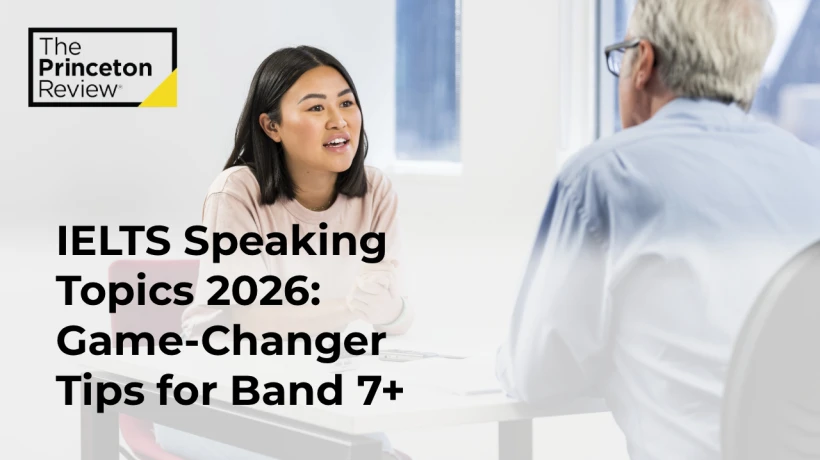
Learn the latest IELTS Speaking test questions and examiner patterns in Singapore with tips, cue card topics, and speaking strategies for higher band scores.
Preparing for the IELTS Speaking test can feel stressful for many students, especially when they are unsure about the latest question trends and examiner expectations. Candidates searching for the best IELTS book Singapore students use often want updated speaking topics, real exam patterns, and practical preparation tips.
The IELTS Speaking test evaluates your ability to communicate naturally in English through a face to face interview with an examiner. The test usually lasts around 11–14 minutes and is divided into three sections. Understanding common question styles and examiner behavior can help students feel more confident on exam day.
The Princeton Review Singapore an IELTS test center in Singapore, helps students prepare through structured coaching, mock interviews, and updated IELTS preparation strategies.
Understanding the IELTS Speaking Test Format
The IELTS Speaking test is conducted in a quiet room with a certified examiner. Unlike automated language exams, IELTS focuses on real life communication skills.
The speaking test contains:
- Part 1: Introduction and Interview
- Part 2: Cue Card
- Part 3: Discussion
Examiners evaluate:
- Fluency
- Vocabulary
- Grammar
- Pronunciation
Students should focus on speaking naturally rather than memorizing answers.
Part 1: Familiar Topics and General Questions
Part 1 lasts about 4–5 minutes. The examiner asks general questions related to daily life and familiar topics.
Common topics include:
- Work or study
- Hometown
- Free time
- Outdoor activities
- Family
- Social media
- Music
- Travel
Examples of Recent IELTS Speaking Questions
- What do you usually do in your free time?
- Do you enjoy outdoor activities?
- How often do you use social media?
- Did you learn a foreign language in school?
- Do you prefer working or studying from home?
Examiners expect short but detailed answers. Avoid answering with only “yes” or “no.”
Part 2 Cue Card: Speaking for Two Minutes
In the Part 2 cue card section, students receive a topic card and get one minute to prepare before speaking.
Candidates usually speak for 1–2 minutes on the given topic.
Recent Cue Card Topics
- Describe a person who motivated you
- Describe a place you like visiting
- Describe an outdoor activity you enjoy
- Describe a time you learned a foreign language
- Describe an interesting conversation you had
Students should organize answers clearly by discussing:
- What the topic is
- When it happened
- Why it was important
- Personal feelings or experiences
Many students struggle because they run out of ideas quickly. Regular practice speaking helps improve fluency and confidence.
Part 3 Discussion: Advanced Opinion Questions
The Part 3 discussion is more analytical and opinion-based. Examiners ask follow-up questions related to the Part 2 topic.
This section tests deeper thinking and communication skills.
Common Part 3 Discussion Topics
- Advantages and disadvantages of social media
- Importance of protecting the environment
- How technology affects daily life
- Benefits of outdoor activities
- Challenges of learning a foreign language
Example Questions
- What are the advantages and disadvantages of online learning?
- How can governments protect the environment?
- Why do some people spend a lot of time on social media?
- Should children spend more time outdoors?
Students should explain answers clearly and support opinions with examples.
Latest Examiner Patterns in Singapore
Students preparing for the IELTS Speaking test in Singapore often notice certain examiner patterns.
1. Focus on Natural Communication
Examiners prefer natural conversation over memorized answers. Candidates using robotic or rehearsed responses may lose marks.
2. More Follow-Up Questions
Some examiners ask additional follow-up questions to test fluency and spontaneous thinking.
3. Everyday Real Life Topics
Most speaking questions are connected to real life situations and daily life experiences.
4. Importance of Fluency
Examiners usually pay close attention to:
- Confidence
- Smooth speaking
- Logical idea connection
Pausing too often can affect scores.
How to Improve IELTS Speaking Performance
Practice Speaking Daily
Regular English conversations improve fluency naturally.
Students can:
- Record themselves speaking
- Practice with friends
- Join speaking clubs
- Attend mock interviews
Use an IELTS Book Singapore Students Recommend
A good IELTS preparation book provides:
- Sample cue cards
- Vocabulary lists
- Model answers
- Practice exercises
Improve Vocabulary Naturally
Instead of memorizing difficult words, focus on useful vocabulary related to:
- Daily life
- Education
- Technology
- Environment
- Work or study
Learn Time Management
In the Part 2 cue card section, students only get one minute to prepare, so organizing ideas quickly is important.
Common Mistakes to Avoid
Students often make these mistakes during the IELTS Speaking test:
- Giving memorized answers
- Speaking too fast
- Using overly complex vocabulary incorrectly
- Providing very short responses
- Losing confidence after small mistakes
Remember that examiners care more about communication than perfection.
Why Mock Speaking Tests Matter
Mock speaking sessions help students:
- Understand examiner patterns
- Improve confidence
- Practice time management
- Reduce nervousness
Many students improve significantly after practicing in realistic exam conditions.
Final Thoughts
The IELTS Speaking test in Singapore focuses heavily on natural communication, fluency, and confidence. Understanding common question patterns, practicing regularly, and improving vocabulary gradually can help students achieve higher band scores.
Whether discussing free time, outdoor activities, social media, or protecting the environment, students should focus on expressing ideas clearly and confidently.
Using a trusted IELTS book Singapore students rely on and attending structured speaking practice sessions can make preparation more effective.
The Princeton Review Singapore an IELTS test center in Singapore, supports students through expert coaching, updated speaking practice, and mock interviews designed to improve real exam performance.
FAQs About IELTS Speaking Test in Singapore
1. How long is the IELTS Speaking test?
The IELTS Speaking test usually lasts between 11 and 14 minutes.
2. What happens in the Part 2 cue card section?
Students receive a topic card, get one minute to prepare, and then speak for about two minutes.
3. What topics are commonly asked in IELTS Speaking?
Common topics include daily life, free time, social media, work or study, outdoor activities, and technology.
4. Is the IELTS Speaking test face to face?
Yes, the speaking test is conducted face to face with a certified examiner.
5. How can I improve my IELTS Speaking score?
Regular practice speaking, mock interviews, vocabulary building, and fluency improvement can help increase scores.
6. Are memorized answers acceptable in IELTS Speaking?
No, examiners prefer natural and spontaneous communication rather than memorized responses.



Comments
Login to Comment