After Several Rounds of Hearings on Stray Dogs, an Important Decision Is Due Today! What Has Happened So Far?
19 May, 2026
1685 Views 0 Like(s)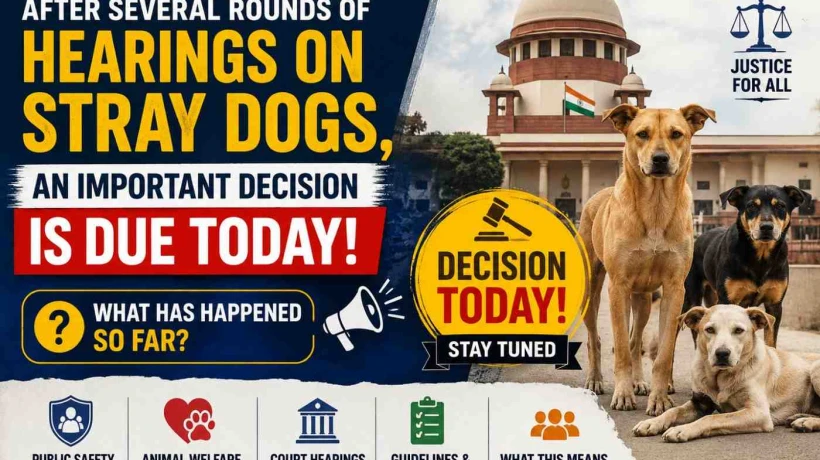
After Several Rounds of Hearings on Stray Dogs, an Important Decision Is Due Today! What Has Happened So Far?
The issue of stray dogs has become one of the most debated public concerns in recent months. From rising cases of dog bites to emotional appeals from animal lovers, the matter has reached courts, municipal authorities, and even state governments. After several rounds of hearings, a major decision regarding the handling of stray dogs is expected today, and people across the country are eagerly waiting to see what authorities decide.
The debate has created two strong sides. On one hand, residents in many cities complain about increasing attacks by stray dogs, especially on children and elderly people. On the other hand, animal welfare activists argue that cruelty against dogs is not the solution and that humane management policies must be followed.
Why the Issue Became Serious
The controversy intensified after multiple reports of dog bite incidents surfaced from different cities. Hospitals recorded a rise in rabies-related cases, while videos of stray dog attacks went viral on social media. Several resident welfare associations demanded immediate action from local administrations.
In some areas, parents became afraid to let children play outside. Morning walkers and delivery workers also expressed concerns about aggressive dog packs roaming residential colonies and streets during night hours.
At the same time, many animal welfare groups accused authorities of failing to implement proper sterilization and vaccination programs. According to them, neglect by civic bodies allowed the stray dog population to grow uncontrollably.
What Happened During the Hearings?
The court hearings focused on balancing public safety with animal rights. Judges heard arguments from municipal corporations, state officials, public representatives, veterinarians, and animal welfare organizations.
During earlier hearings, the court asked several tough questions:
- Why have sterilization programs been delayed?
- Are municipal bodies using allocated funds properly?
- What steps are being taken to prevent rabies?
- How can citizens stay safe without harming animals?
Authorities submitted reports claiming that sterilization drives were underway in many districts. However, petitioners argued that the progress was too slow and poorly managed.
Some residents demanded the relocation of aggressive stray dogs from crowded residential areas. Animal rights activists opposed mass relocation, saying it could violate animal protection laws and create more problems.
The court also examined whether feeding stray dogs in public places should be regulated. While feeders claimed they were helping hungry animals, many residents argued that feeding in residential zones encouraged dogs to gather in large numbers.
Role of Municipal Corporations
Municipal corporations have come under heavy criticism during the hearings. Courts questioned why many cities still lack proper dog shelters, vaccination systems, and accurate surveys of stray dog populations.
Officials admitted that manpower shortages, funding limitations, and rapid urban expansion made the issue difficult to control. However, the court reportedly emphasized that excuses alone cannot solve a growing public safety concern.
Some cities have already announced special campaigns involving:
- Mass sterilization drives
- Anti-rabies vaccination programs
- Public awareness campaigns
- Emergency dog-bite response teams
- Stricter monitoring of waste disposal areas
Experts say open garbage dumps are one of the biggest reasons stray dogs gather in large numbers. Easy access to food allows populations to increase rapidly.
Public Reaction Divided
Public opinion on the matter remains sharply divided. Many citizens believe stricter measures are urgently needed to protect people from attacks. Some have demanded dedicated dog shelters away from residential neighborhoods.
Meanwhile, animal lovers insist that stray dogs are often provoked by human behavior and poor urban planning. They argue that cruelty, abandonment of pets, and lack of sterilization are the real reasons behind the crisis.
Social media platforms have become battlefields for both sides. Videos of dog attacks trigger outrage, while clips showing abuse of stray animals spark anger among animal rights supporters.
Celebrities, activists, and veterinary experts have also joined the discussion, calling for balanced and scientific solutions instead of emotional reactions.
What Decision Is Expected Today?
Today’s expected decision could provide important directions for local administrations and state governments. Legal experts believe the court may issue guidelines covering several major areas, including:
- Faster sterilization and vaccination programs
- Identification of aggressive stray dogs
- Safety measures near schools and parks
- Regulation of public feeding zones
- Accountability of municipal corporations
- Protection of animal welfare laws
The ruling could also influence how future stray dog cases are handled nationwide. If strong guidelines are issued, civic bodies may face stricter deadlines and monitoring systems.
Experts Call for Long-Term Solutions
Veterinarians and urban planners say that temporary actions alone will not solve the problem. They believe a long-term strategy is necessary.
Experts recommend a combination of:
- Scientific population control
- Public education campaigns
- Better waste management
- Responsible pet ownership
- Increased vaccination coverage
- Dedicated animal care infrastructure
Many experts also stress that abandoning pet dogs contributes significantly to the stray population. They say stricter penalties for pet abandonment may become necessary in the future.
The Bigger Challenge Ahead
The stray dog issue is no longer just an animal welfare matter—it has become a major public health and urban governance challenge. Citizens want safer streets, while activists want humane treatment for animals. Balancing both concerns is proving difficult for authorities.
As the country waits for today’s important decision, one thing is clear: the issue cannot be ignored any longer. Whether through stricter laws, better civic management, or improved awareness, authorities will need to find a solution that protects both human lives and animal welfare.
The outcome of today’s hearing could become a turning point in how cities manage stray dogs in the years ahead.



Comments
Login to Comment