How to Prevent Costly Water Damage in Utah’s Commercial Buildings
09 Sep, 2026
7 Views 0 Like(s)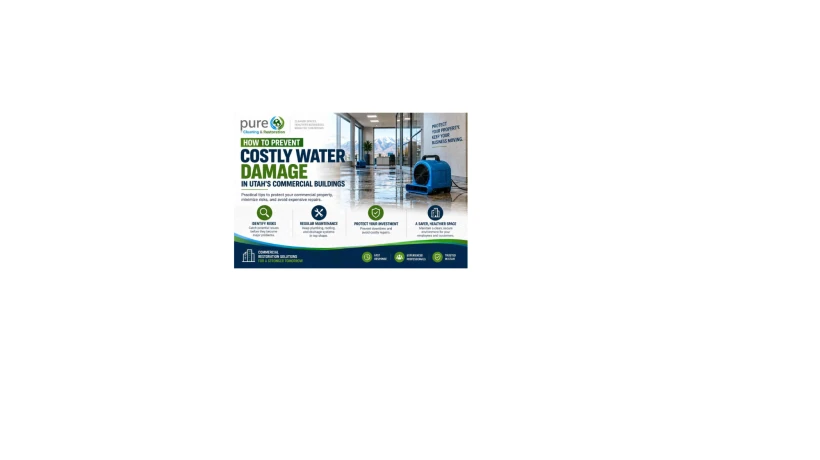
Learn how to prevent water damage and protect your Utah commercial property from expensive repairs.
Water damage can become a major problem for a commercial building in a very short time. A small leak behind a wall, a clogged drain, or a damaged pipe may not seem serious at first. But if the problem is ignored, it can eventually affect floors, walls, ceilings, equipment, furniture, and even the daily operation of the business.
For business owners and property managers in Utah, preventing water damage is often much easier and less expensive than dealing with a major restoration project later.
The good news is that many commercial water problems can be reduced with regular inspections, proper maintenance, and quick action when something goes wrong.
Why Water Damage Is a Serious Concern for Businesses
Commercial buildings have many systems that use or carry water. Plumbing lines, restrooms, kitchens, HVAC systems, water heaters, sprinkler systems, and drainage areas can all become sources of leaks.
Unlike a small residential property, a commercial building may have several floors and many rooms. A leak on one floor can sometimes affect areas below it.
Water can also damage more than the visible surface. If moisture gets into drywall, flooring, insulation, or other building materials, the damage may continue even after the original leak has been stopped.
For businesses, there is another concern: downtime. A damaged office, store, restaurant, warehouse, or other commercial property may have to limit operations while repairs are being completed.
Start With Regular Plumbing Inspections
One of the simplest ways to prevent water damage is to regularly inspect plumbing systems.
Look for signs such as dripping faucets, slow drains, water stains, unusual sounds, or damp areas around pipes. These may seem like minor issues, but they can be early warnings of a larger problem.
Businesses should also pay attention to older pipes and plumbing fixtures. As equipment gets older, the risk of leaks and failures can increase.
A regular maintenance schedule can help identify problems before they turn into emergencies.
Check Roofs and Gutters
Water does not always enter a commercial building through plumbing. Roof problems are another common source of water intrusion.
A damaged roof, loose flashing, blocked drain, or clogged gutter can allow rainwater to enter areas where it should not.
After heavy rain or storms, property managers should check for visible signs of water entry. Interior stains on ceilings or walls can sometimes indicate a roofing problem.
Keeping gutters, roof drains, and drainage systems clear can also help rainwater move away from the building properly.
Do Not Ignore Small Leaks
A dripping pipe may not look like an emergency, but small leaks can create significant damage over time.
Water can slowly spread into surrounding materials. A leak behind a wall may go unnoticed until there is staining, peeling paint, a musty smell, or visible moisture.
The best approach is simple: deal with leaks as soon as they are discovered.
Fixing a small plumbing issue is usually much easier than repairing a ceiling, wall, floor, or other building materials after prolonged water exposure.
Protect Areas With Water-Using Equipment
Commercial buildings often have equipment that uses water every day. Kitchens, laundry areas, bathrooms, HVAC systems, and water heaters deserve extra attention.
Inspect hoses, connections, valves, and surrounding areas regularly. If equipment shows signs of wear, have it repaired or replaced before it fails.
It is also useful to know where the main water shutoff valve is located. Employees or building managers should know how to access it in an emergency.
Being able to stop the water quickly can help limit the amount of damage.
Watch for Water Damage After Severe Weather
Utah businesses can experience different types of weather throughout the year. Heavy rain, snow, freezing temperatures, and sudden storms can all create opportunities for water to enter a building.
After severe weather, take a few minutes to inspect the property. Check ceilings, windows, exterior walls, basements, and other areas that may be vulnerable to moisture.
If water has entered the building, do not simply wait for it to dry on its own. Hidden moisture can remain inside building materials and create additional problems.
What to Do When Water Damage Happens
Even with good maintenance, water emergencies can still happen.
If a pipe breaks or a significant leak occurs, the first step is to stop the source if it is safe to do so. Turn off the appropriate water supply and keep people away from areas that may be unsafe.
Next, contact the appropriate professionals and document the damage with photographs or videos for your records.
If there is standing water, professional extraction and drying may be necessary. The sooner excess water is removed, the better the chance of limiting additional damage.
Businesses looking for water damage restoration Salt Lake City services should choose a company that understands the needs of commercial properties and can respond quickly when an emergency occurs.
Why Fast Drying Matters
Removing visible water is only part of the process. Moisture can remain hidden under flooring, behind walls, and inside other materials.
Professional restoration teams use specialized equipment to locate moisture and help dry affected areas.
This is particularly important in commercial buildings because hidden moisture can interfere with normal business operations and lead to more extensive repairs if left untreated.
A proper drying process focuses on reducing moisture throughout the affected area rather than simply making the surface look dry.
Create a Water Emergency Plan
Every commercial property should have a basic emergency plan.
The plan should identify important shutoff valves, emergency contacts, maintenance providers, and procedures for reporting leaks or flooding.
Employees should also know who to contact if they notice water coming from a ceiling, wall, pipe, appliance, or other source.
A few minutes spent creating an emergency plan can save valuable time during an actual water event.
Maintenance Is Better Than Emergency Repairs
Preventive maintenance may not be the most exciting part of managing a commercial property, but it can save money over time.
Schedule regular inspections of plumbing, roofing, drainage, HVAC systems, and other areas where water problems may develop.
Keep records of repairs and inspections so recurring problems can be identified early.
Property managers in other parts of Utah should take the same approach. For example, businesses searching for Weber County water damage restoration may already be dealing with a serious water issue. Regular maintenance can help reduce the chances of reaching that point in the first place.
When Should You Call a Restoration Professional?
Not every small water issue requires a restoration company. However, professional help may be necessary when there is extensive standing water, water has entered walls or flooring, sewage is involved, or the source of the damage is unclear.
It is also wise to seek help when a property has been exposed to water for an extended period.
A professional assessment can help determine how far the moisture has spread and what needs to be done to properly dry and restore the affected areas.
Pure Cleaning and Restoration can be one option for businesses that need guidance after a water-related emergency and want to understand the next steps for getting their property back into working condition.
Frequently Asked Questions
What is the most common cause of commercial water damage?
Plumbing leaks, broken pipes, clogged drains, roof problems, and equipment failures are common causes. Regular inspections can help identify many of these issues before they become serious.
Can a small leak cause major damage?
Yes. A small leak that continues for days or weeks can allow moisture to spread into walls, floors, ceilings, and other materials.
What should a business do after a pipe bursts?
If it is safe, shut off the water supply and keep people away from affected areas. Document the damage and contact appropriate repair or restoration professionals as quickly as possible.
How can businesses prevent water damage?
Regular plumbing and roof inspections, prompt leak repairs, proper drainage maintenance, and an emergency response plan can all help reduce the risk.
Does commercial water damage always require professional restoration?
Not always. Minor issues may be handled through normal maintenance. However, extensive water, hidden moisture, sewage contamination, or damage affecting building materials may require professional restoration.
Conclusion
Water damage can disrupt a business and create expensive repair problems, but prevention can make a major difference. Regular inspections, quick leak repairs, roof and drainage maintenance, and employee awareness can help protect commercial properties.
The most important thing is not to ignore small warning signs. A minor leak today can become a major restoration project tomorrow.
By staying proactive and having a clear emergency plan, Utah business owners and property managers can reduce the risk of serious water damage and keep their buildings safer, drier, and ready for business.



Comments
Login to Comment