Can I Go for PRP After a Hair Transplant?
09 Sep, 2026
18 Views 0 Like(s)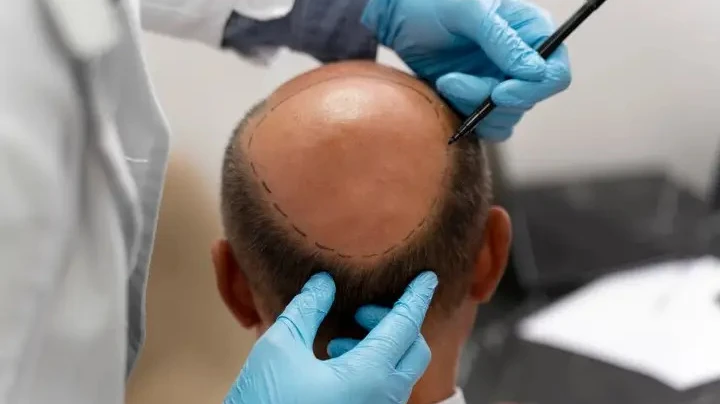
Can you get PRP after a hair transplant? Learn the recommended timing, potential benefits, safety considerations, and how PRP may support hair growth after transplantation.
A hair transplant is an ultimate solution for those seeking long-lasting, natural hair restoration for their thinning or bald areas. But often, dermatologists recommend supportive hair therapy, such as PRP treatment, for faster recovery and healthier, thicker hair growth. Knowing this, you might be wondering whether PRP will be the best fit for you after your hair transplant surgery.

If you are looking into PRP after a hair transplant in Delhi, here’s what you must know before making your decision.
What is PRP Treatment for Hair?
PRP (Platelet-Rich Plasma) therapy is an injectable treatment known for its strong natural healing properties. For scalp and hair treatment with PRP, a dermatologist first collects the patient’s blood and centrifuges it to separate the concentrated platelets from the rest of the blood. The platelet-enriched plasma has all essential hair growth-promoting factors and proteins, and that’s what is injected into the targeted areas of the scalp.

The PRP can help:
-
Stimulate healthy hair growth
-
Improve scalp microcirculation
-
Make existing hair thicker, stronger, and healthier
-
Support the natural healing of the areas with a hair transplant.
Can PRP After a Hair Transplant Help You?
Absolutely yes, if your dermatologist recommends this combination treatment plan.
Most of the hair restoration experts suggest a PRP treatment after a hair transplant to:
-
Facilitate the natural healing of the operated areas
-
Calm the post-surgery inflammation, redness, and soreness
-
Boost the survival of transplanted hair grafts by promoting angiogenesis
-
Minimize the shock of hair loss
-
Encourage thicker, healthier, overall scalp coverage
-
Improve the overall scalp condition
-
Complement long-term hair restoration.
However, good general health and realistic expectations are essential to the success of the treatment plan.
When is the Best Time to Get PRP After Hair Transplant?
The PRP sessions are not scheduled immediately after hair transplant surgery. It’s usually recommended a few weeks later, once the scalp has healed considerably. If appropriate, it may be recommended alongside prescription hair-growth-promoting medications.
The hair restoration expert can only determine the ideal time to start with PRP sessions.
Conclusion
PRP therapy is a worthwhile investment after an FUT or FUE hair transplant. It should not be considered as a replacement but as a supportive hair therapy. It helps by promoting natural scalp healing, improving scalp condition, strengthening existing hair, and providing overall, denser, healthier scalp coverage.

If you are searching for the best hair restoration expert for PRP after hair transplant in Delhi, Delhi Wellness Clinic can be your best choice. Hair transplant experts at the clinic provide a personalized treatment plan and suggest the best timing for your PRP to ensure optimal hair transplant outcomes and a smooth recovery.
So, book your consultation today with the leading hair transplant doctor and Best Skin Doctor in Delhi only at Delhi Wellness Clinic.
FAQs About Hair Transplant
Can I get PRP after a hair transplant?
Yes, PRP may be used after a hair transplant to support healing and potentially encourage hair growth, but the timing should be decided by your hair transplant surgeon.
When can I start PRP after a hair transplant?
The timing varies depending on healing and the individual's treatment plan. Your surgeon can recommend when the scalp is ready for PRP.
Does PRP improve hair transplant results?
PRP may support the healing process and hair growth, but results vary and it should be considered a complementary treatment rather than a guarantee of improved transplantation outcomes.
How does PRP work after a hair transplant?
PRP uses a concentrated portion of your own blood containing platelets and growth factors, which are injected into the scalp to support tissue repair and hair follicle activity.
How many PRP sessions are needed after a hair transplant?
The number and frequency of sessions depend on your hair condition, transplant plan, and surgeon's recommendations.
Is PRP safe after a hair transplant?
PRP is generally considered safe when performed appropriately, but it should only be started after the transplanted area has healed sufficiently and your surgeon has approved it.
Can PRP prevent hair loss after a transplant?
PRP may help support existing and newly transplanted hair, but it cannot guarantee prevention of future hair loss.
Can PRP be done immediately after a hair transplant?
PRP is not normally performed immediately without considering the healing stage. Your surgeon should determine the appropriate timing based on graft stability and scalp recovery.
Does PRP help transplanted hair grow faster?
Some evidence suggests PRP may support hair growth, but individual responses vary and more research is needed to establish its effectiveness after transplantation.
Should I consult my hair transplant surgeon before PRP?
Yes. Your surgeon can assess your scalp and transplanted grafts and determine whether PRP is appropriate and when it should be performed.

Comments
Login to Comment