How Commercial LED Lighting Helps Reduce Maintenance Pressure in Commercial Buildings
28 Oct, 2026
8 Views 0 Like(s)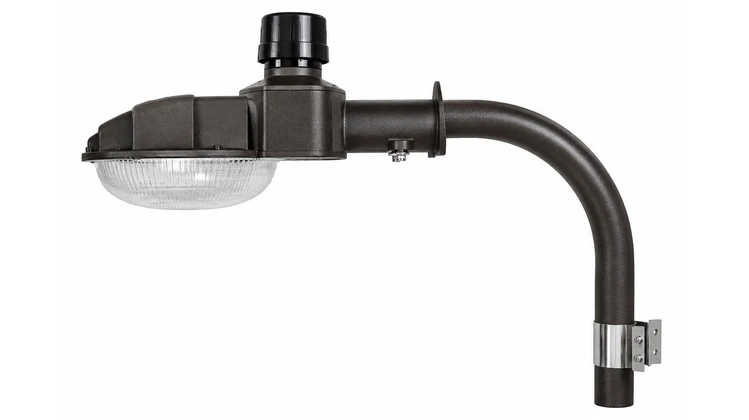
A busy property can lose time and money when lights need constant attention.
A busy property can lose time and money when lights need constant attention. Burned-out lamps, dark corners, flickering fixtures, and repeated service calls may look small at first, but they disrupt normal work. That is why many building owners now look at commercial LED lighting as more than an energy upgrade. It can also help reduce the pressure of frequent maintenance. In offices, warehouses, showrooms, schools, and shared facilities, lighting has to perform every day without becoming a regular problem. In this article, we will discuss how better planning and reliable LED systems can make building care simpler.
Fewer Failures Mean Less Disruption
Maintenance teams are already busy with everything from HVAC checks to safety inspections. Lighting issues add a whole other layer, especially in big spaces where light fixtures can be hung up high or spaced out along long hallways. A more stable, longer-lasting system means staff isn’t constantly changing lamps or booking lift access. This is good for warehouses, retail floors, parking areas, and production zones where downtime can impact customers or employees. Proper lighting also ensures constant visibility, which helps employees avoid having to deal with dimly lit spots or inconsistent lighting during busy times.
Smarter Planning Reduces Repeat Work
A reliable setup starts before installation. Property managers should review ceiling height, working hours, fixture location, brightness needs, and control preferences. Commercial lighting should not be selected only because it looks suitable in a catalog. A high-ceiling stockroom, for example, needs a different approach from a reception area or meeting room. Planning also helps avoid over-lighting, poor beam spread, and awkward access points. When fixtures are placed correctly, the result is easier to manage. It becomes less about fixing the same issue again and more about keeping the building running smoothly with fewer surprises.
Electrical Compatibility Matters
Large venues often operate on higher voltage systems, so you’ll want to check the electrical side carefully before selecting fixtures. A high output 480v lighting setup might be fine for some industrial or large commercial settings, but it needs proper review by qualified professionals. A poor match can cause driver stress, early failure, or uneven running. Owners should inquire about input ratings, dimming compatibility, surge protection, and the status of the existing wiring. You may not notice these details when installed, but they certainly affect your long-term performance and maintenance costs.
Small Checks Can Prevent Bigger Issues
Even strong lighting systems need sensible care. The difference is that maintenance becomes more planned and less urgent. Instead of waiting for repeated failures, teams can follow a simple inspection routine that fits normal building management.
Useful checks may include:
- Reviewing dim areas before they affect daily movement or work
- Cleaning lenses and fixture surfaces during scheduled maintenance rounds
- Checking controls, sensors, and timers for correct operation
- Noting unusual flicker, heat, or color change early
- Keeping basic records of fixture locations and service dates
These small habits make it easier to spot patterns before they become expensive problems.
Better Products Support Longer Service Life
Fixture quality matters. Cheap parts may seem attractive during budgeting, but they can create extra work later. Property owners should compare build quality, certifications, heat control, warranty terms, and intended application. Many commercial led lighting manufacturers offer different options for panels, high bays, recessed fixtures, canopy lights, emergency units, and controls. There commercial indoor lighting category includes energy-efficient fixtures intended for modern commercial needs, including ceiling, panel, high bay, recessed, suspended, showcase, and emergency lighting options. Choosing the right type for each area helps reduce avoidable service visits.
Conclusion
Maintenance pressure usually builds slowly. One fixture fails, then another starts flickering, and soon the building team is spending too much time on lighting instead of planned work. A better LED setup can help reduce that cycle by improving service life, visibility, compatibility, and control. The best results come when owners think beyond purchase price and consider access, usage hours, environment, and future upkeep before work begins.
For property owners comparing lighting choices, Led City USA LLC can be a useful partner because its website highlights commercial fixtures, design support, simulations, energy management, and value engineering services for lighting projects. With the right support, a building upgrade can feel less like another repair task and more like a smarter long-term improvement.
Frequently Asked Questions
Question: How frequently should building lights be tested?
Answer: Many properties benefit from a scheduled inspection every few months, but timing depends on the building's size, hours of use, and access difficulty. Areas of heavy use may be inspected more often. And a simple record of problems with fixtures can help managers plan service before they propagate.
Question: What causes some fixtures to fail prematurely?
Answer: Poor heat management, bad installation, poor-quality components, wrong voltage, moisture, or weak drivers can cause early failure. Sometimes the fixture just doesn’t fit the location. You can avoid many common problems by checking ratings and conditions before installation.
Question: Do better controls reduce service work?
Answer: If you design the controls right, yes, they can help. Use sensors, timers, dimmers, and daylight-based systems to reduce unnecessary operating hours. Reducing stress on fixtures can increase their service life. Controls should be tested periodically to ensure that they are functioning properly.

Comments
Login to Comment