When Should You Worry About a Dental Implant Infection?
28 Oct, 2026
12 Views 0 Like(s)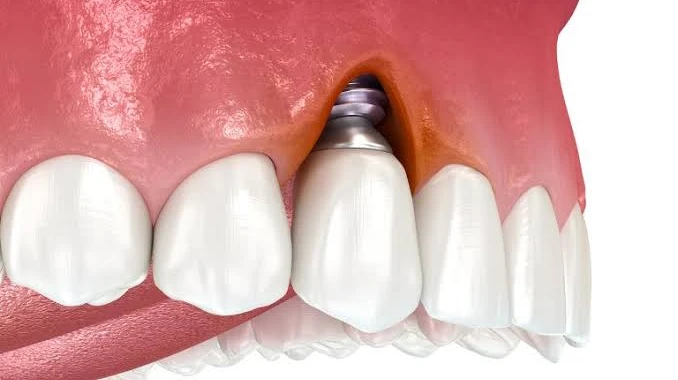
A dental implant infection can often be managed effectively when identified early and treated according to its severity.
Dental implants are designed to provide a stable, long-lasting replacement for missing teeth, helping people restore their smiles and confidence. However, like natural teeth and gums, implants can develop infections if bacteria accumulate around the implant site. Understanding the causes, warning signs, and treatment options is essential for protecting your oral health. If you are researching Dental Implant Infection in dubai, knowing when to seek professional dental care can help prevent minor problems from progressing into serious complications. Early diagnosis and appropriate treatment are key to preserving the implant and maintaining healthy surrounding tissues.
What Causes a Dental Implant Infection?
A dental implant infection occurs when bacteria affect the gum tissue or bone surrounding an implant. One common condition is called peri-implant mucositis, which involves inflammation of the soft tissue around the implant. If the condition progresses and begins to damage the supporting bone, it is known as peri-implantitis.
Several factors can increase the risk of infection, including:
- Poor oral hygiene: Plaque and bacteria can accumulate around the implant and irritate the gums.
- Smoking: Tobacco use can interfere with healing and increase the risk of implant complications.
- Existing gum disease: A history of periodontal disease may increase susceptibility to infection.
- Medical conditions: Certain health conditions, including poorly controlled diabetes, can affect healing.
- Incomplete healing: Complications during the recovery period may contribute to inflammation or infection.
Identifying these risk factors helps dentists determine the most appropriate treatment and prevention strategy.
What Are the Warning Signs of an Infected Dental Implant?
Recognizing the symptoms early can make a significant difference in treatment outcomes. Although mild discomfort may occur after implant surgery, symptoms that persist, worsen, or develop after initial healing deserve professional attention.
Common Symptoms to Watch For
Look out for the following warning signs:
- Red, swollen, or tender gums around the implant
- Bleeding during brushing or flossing
- Pus or discharge near the implant
- Persistent bad breath or an unpleasant taste
- Pain or discomfort when chewing
- Gum recession around the implant
- A loose implant or changes in how the replacement tooth feels
An implant that feels loose requires prompt dental assessment. Do not attempt to tighten or adjust it yourself.
It is important to remember that some infections, particularly those affecting deeper tissues, may cause few obvious symptoms initially. Regular dental examinations can help detect problems before substantial damage occurs.
How Is a Dental Implant Infection Treated?
Treatment depends on the severity of the infection, the amount of bone involved, and whether the implant remains stable. A dentist will examine the affected area and may use dental X-rays to assess the surrounding bone.
1. Professional Cleaning Around the Implant
For early inflammation limited to the soft tissues, professional cleaning may be sufficient. The dentist removes plaque and bacterial deposits from around the implant using suitable instruments designed for implant surfaces.
You may also receive instructions on improving brushing and interdental cleaning techniques. Consistent home care is essential to control bacterial buildup and reduce the risk of recurrence.
2. Antibiotics When Necessary
Antibiotics may be prescribed when there is evidence of a spreading or significant bacterial infection, depending on the clinical findings. However, they are not automatically required for every case of peri-implant inflammation.
Antibiotics alone cannot remove hardened deposits or correct bone damage. They should be used only under professional guidance and alongside any necessary dental treatment.
3. Deep Cleaning and Surgical Treatment
When infection has progressed to peri-implantitis, more advanced treatment may be necessary. Depending on the condition, the dentist may recommend cleaning beneath the gumline, accessing the implant surgically, or using other methods to control inflammation.
In selected cases, regenerative procedures may help address certain bone defects. If the implant has lost substantial supporting bone and cannot be maintained, removal may be necessary. The decision depends on the implant's stability, the extent of damage, and the likelihood of successful treatment.
How Can You Prevent Dental Implant Infections?
Prevention is often easier than treating an established infection. Maintaining healthy gums and following your dentist's recommendations can help protect your investment in your smile.
Follow These Essential Oral Care Habits
- Brush twice daily with a soft-bristled toothbrush.
- Clean between teeth and around implants using suitable interdental brushes or other recommended tools.
- Attend regular dental checkups and professional cleaning appointments.
- Avoid smoking or seek support to quit.
- Follow all postoperative instructions after implant placement.
- Manage medical conditions that may affect healing with guidance from your healthcare professional.
Your dentist may recommend a personalized maintenance schedule based on your oral health, implant design, and individual risk factors.
When Should You See a Dentist?
You should arrange a dental examination if you notice persistent swelling, bleeding, discharge, or increasing discomfort around an implant. Seek urgent dental care if symptoms worsen rapidly. Facial swelling accompanied by fever or spreading redness also requires prompt assessment. Difficulty breathing or swallowing is a medical emergency.
Avoid delaying treatment in the hope that an infection will disappear on its own. Early intervention may help control inflammation and protect the supporting bone.
Conclusion
A dental implant infection can often be managed effectively when identified early and treated according to its severity. Professional cleaning, improved oral hygiene, medication when indicated, and surgical procedures in selected cases can all play a role in controlling infection. The most appropriate approach depends on the condition of the surrounding gums and bone, as well as the stability of the implant.
By recognizing warning signs, maintaining excellent oral hygiene, and attending regular dental appointments, you can reduce the risk of complications and support long-term implant health. If you suspect an infection, seek a professional dental evaluation promptly rather than relying on home remedies or self-medication.


Comments
Login to Comment