Peri Implant Disease: Causes, Symptoms, and Treatment
28 Oct, 2026
9 Views 0 Like(s)
Peri implant disease treatment can help address these concerns and protect the surrounding gums and bone.
Dental implants can provide a durable way to replace missing teeth, but they still require regular care. Problems can develop in the tissues surrounding an implant, particularly when plaque and bacteria accumulate around it. Peri implant disease treatment can help address these concerns and protect the surrounding gums and bone.
What is Peri Implant Disease?
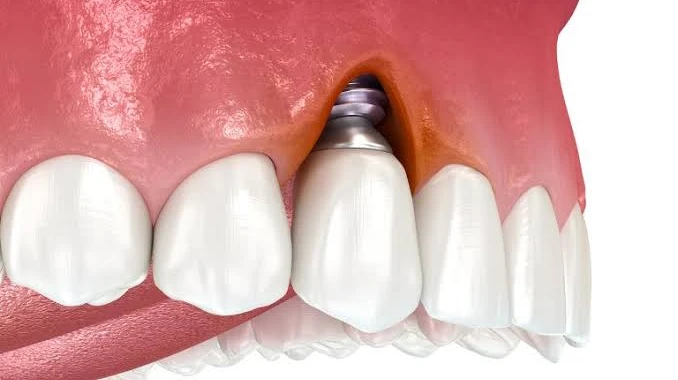
Peri-implant disease refers to inflammation or infection affecting the tissues around a dental implant. It generally develops in two stages. The first is peri-implant mucositis, which involves inflammation of the soft tissue without significant bone loss. If the condition progresses, it can become peri-implantitis, which may involve inflammation, infection, and loss of supporting bone.
Early attention is important because damage to the tissues around an implant can become more difficult to manage as the condition progresses.
What Causes Peri Implant Disease?
Several factors can contribute to inflammation around an implant. Poor oral hygiene is one of the most common concerns because plaque can collect around the implant and irritate nearby tissues. Smoking, a history of gum disease, certain medical conditions, and inconsistent dental care may also increase the risk.
The design or positioning of an implant can sometimes make cleaning difficult. Excess cement from an implant restoration may also irritate the surrounding tissue. Regular dental visits can help identify these concerns before they become more serious.
Signs You Should Watch For
Peri-implant disease does not always cause noticeable discomfort in its early stages. However, certain changes may indicate a problem. These can include:
-
Red, swollen, or tender gums around an implant
-
Bleeding during brushing or flossing
-
Persistent bad breath or an unpleasant taste
-
Pus or discharge near the implant
-
Gum recession around the implant
-
Increasing discomfort when chewing
-
An implant or restoration that feels loose
If you notice any of these symptoms, schedule a dental examination rather than waiting for the problem to resolve on its own.
How is Peri Implant Disease Treated?
Treatment depends on the condition of the implant and the surrounding tissues. A dental professional may begin by examining the area, checking for inflammation, measuring the tissues around the implant, and taking dental X-rays when necessary.
For early inflammation, professional cleaning and improved daily oral hygiene may be enough to control the problem. More advanced infection may require deeper cleaning around the implant, removal of irritating deposits, or other procedures designed to manage the affected tissues.
In cases where supporting bone has been significantly affected, surgical treatment may be considered. The appropriate treatment varies based on the degree of bone loss, the implant's condition, and the patient's overall health. This is why individualised peri implant disease treatment is important rather than relying on a single approach for every patient.
How Can You Protect Your Dental Implant?
Good daily habits can reduce the risk of problems around an implant. Maintain good oral hygiene by brushing at night, cleaning between your teeth as advised, and keeping up with regular dental visits. Your dental professional may also suggest specialised brushes or other cleaning tools based on your implant's location.
Avoiding tobacco products can also support healthier gum tissues. If you have previously experienced gum disease, maintaining regular periodontal care can be especially important.
When Should You See a Periodontal Specialist?
If you experience persistent inflammation, bleeding, swelling, or discomfort around an implant, professional evaluation can help determine what is causing the problem. A periodontist in Red Wing, MN, can assess the gums and supporting structures and recommend care based on your specific condition.
Early evaluation may help prevent inflammation from progressing and can provide a better opportunity to preserve the tissues supporting your dental implant.
Conclusion
Dental implants need ongoing care to remain healthy. Paying attention to changes around an implant and seeking professional care early can help reduce the risk of complications. With appropriate evaluation, daily hygiene, and personalized peri-implant disease treatment, patients can take important steps to maintain their oral hygiene and protect their investment in implant treatment.

Comments
Login to Comment