Exploring Soil Microorganisms: Effects You Should Know
23 Jun, 2026
1265 Views 0 Like(s)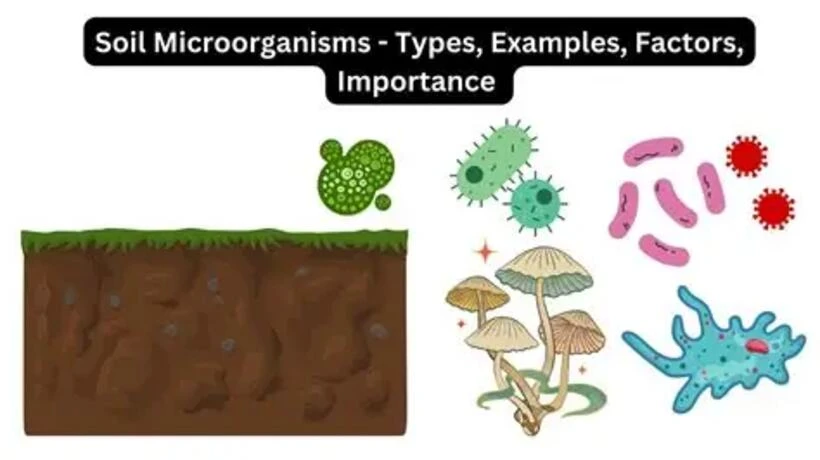
Soil is much more than a mixture of minerals and organic matter. Beneath the surface lies a hidden world filled with billions of microscopic organisms that play
Soil is much more than a mixture of minerals and organic matter. Beneath the surface lies a hidden world filled with billions of microscopic organisms that play essential roles in maintaining ecosystem health. These soil microorganisms influence plant growth, nutrient availability, organic matter decomposition, and even climate regulation. Understanding these tiny life forms can help farmers, gardeners, and environmental enthusiasts appreciate the importance of healthy soil.
What Are Soil Microorganisms?
Soil microorganisms are microscopic living organisms that inhabit the soil. They include bacteria, fungi, actinomycetes, algae, protozoa, and nematodes. Although invisible to the naked eye, these organisms perform countless biological processes that support life above ground.
A single gram of healthy soil may contain millions or even billions of microorganisms. Their diversity and abundance depend on factors such as soil type, moisture, temperature, organic matter, and pH.
Major Types of Soil Microorganisms
1. Bacteria
Bacteria are among the most abundant microorganisms in soil. They are responsible for decomposing organic matter and recycling nutrients.
Examples:
Rhizobium
Azotobacter
Nitrosomonas
Bacillus subtilis
Effects:
Convert atmospheric nitrogen into forms plants can use.
Break down dead organic materials.
Improve nutrient availability.
Protect plants against certain diseases.
Beneficial bacteria are widely used in biofertilizers to promote sustainable agriculture and reduce dependence on chemical fertilizers.
2. Fungi
Fungi play a critical role in breaking down complex organic compounds that bacteria cannot easily digest.
Examples:
Aspergillus
Penicillium
Trichoderma
Mycorrhizal fungi
Effects:
Decompose cellulose and lignin.
Improve soil structure.
Enhance water and nutrient absorption.
Suppress harmful pathogens.
Mycorrhizal fungi form symbiotic relationships with plant roots, increasing phosphorus uptake and helping plants withstand drought stress.
3. Actinomycetes
Actinomycetes are filamentous bacteria that share characteristics with fungi. They are responsible for the earthy smell commonly associated with fresh soil.
Examples:
Streptomyces
Micromonospora
Effects:
Break down resistant organic materials.
Produce natural antibiotics.
Contribute to humus formation.
Enhance soil fertility.
Many antibiotics used in medicine, including streptomycin, originate from species of Streptomyces.
4. Algae
Although commonly associated with aquatic environments, algae also inhabit moist soils.
Examples:
Green algae
Blue-green algae (cyanobacteria)
Effects:
Perform photosynthesis.
Add organic matter to soil.
Improve soil aggregation.
Fix atmospheric nitrogen in some cases.
Cyanobacteria are particularly valuable in rice cultivation because they naturally enrich soil nitrogen content.
5. Protozoa
Protozoa are single-celled organisms that feed primarily on bacteria and organic particles.
Examples:
Amoeba
Flagellates
Ciliates
Effects:
Regulate bacterial populations.
Release nutrients in plant-available forms.
Enhance nutrient cycling.
By consuming bacteria, protozoa indirectly contribute to the release of nitrogen that plants can absorb.
6. Nematodes
Nematodes are microscopic worms found in nearly all soils. Some are beneficial, while others can be harmful.
Examples:
Root-knot nematodes (Meloidogyne)
Predatory nematodes
Effects:
Assist in nutrient cycling.
Control populations of harmful organisms.
Some species damage plant roots and reduce crop yields.
Maintaining balanced soil ecosystems helps prevent harmful nematodes from becoming dominant.
Positive Effects of Soil Microorganisms
Nutrient Cycling
One of the most important functions of soil microorganisms is nutrient cycling. They convert organic materials into essential nutrients such as nitrogen, phosphorus, sulfur, and potassium, making these elements available to plants.
Without microorganisms, dead plant residues and animal remains would accumulate, and nutrient recycling would come to a halt.
Organic Matter Decomposition
Microorganisms decompose leaves, roots, and other organic materials. This process creates humus, which improves soil fertility and water retention.
Healthy decomposition also contributes to carbon storage and environmental sustainability.
Nitrogen Fixation
Nitrogen is essential for plant growth, but plants cannot directly utilize atmospheric nitrogen. Certain bacteria, such as Rhizobium and Azotobacter, convert nitrogen gas into usable forms.
This natural process reduces the need for synthetic fertilizers and promotes eco-friendly farming practices.
Disease Suppression
Some beneficial microorganisms compete with harmful pathogens or produce substances that inhibit disease-causing organisms.
For example, Trichoderma fungi are commonly used as biological control agents against soil-borne diseases affecting vegetables, fruits, and ornamental plants.
Improved Soil Structure
Fungi and bacteria produce substances that bind soil particles together, forming stable aggregates. Good soil structure provides better aeration, water infiltration, and root penetration.
As a result, crops become healthier and more resistant to environmental stress.
Harmful Effects of Certain Soil Microorganisms
Not all soil microorganisms are beneficial. Some species can cause diseases and negatively affect crop productivity.
Plant Diseases
Examples include:
Fusarium oxysporum causing wilt disease.
Pythium species causing damping-off in seedlings.
Root-knot nematodes damaging plant roots.
These pathogens can lead to reduced yields and economic losses if not properly managed.
Nutrient Competition
Certain microorganisms may compete with plants for nutrients, particularly when fresh organic materials with high carbon content are added to the soil.
Temporary nitrogen deficiency may occur during decomposition, affecting plant growth.
Toxin Production
Some fungi produce harmful toxins that contaminate crops and pose risks to human and animal health.
For instance, Aspergillus flavus produces aflatoxins, which are considered dangerous contaminants in grains and nuts.
Factors Affecting Soil Microorganisms
Several environmental conditions influence microbial populations:
Soil Moisture
Adequate moisture promotes microbial activity, while excessive dryness or waterlogging can reduce their populations.
Temperature
Most soil microorganisms thrive between 20°C and 35°C. Extremely high or low temperatures inhibit their growth.
Soil pH
Neutral to slightly acidic soils generally support diverse microbial communities. Extremely acidic or alkaline conditions may limit microbial activity.
Organic Matter
Organic materials serve as food sources for microorganisms. Adding compost or manure can significantly increase microbial diversity and abundance.
Conclusion
Soil microorganisms are the unseen workforce responsible for maintaining soil fertility and supporting plant life. Bacteria, fungi, actinomycetes, algae, protozoa, and nematodes each contribute to essential processes such as nutrient cycling, decomposition, nitrogen fixation, and disease suppression. While some microorganisms can cause plant diseases, the majority provide tremendous benefits that sustain agricultural productivity and environmental balance.
Understanding the effects of soil microorganisms highlights the importance of preserving soil health. By promoting beneficial microbial activity through proper soil management, farmers and gardeners can create more productive and sustainable ecosystems for future generations.
Article published: https://belirangkalisari.id



Comments
Login to Comment