The Ultimate Seafood Boil Guide: Tips, Tricks & What to Know
22 Jun, 2026
1244 Views 0 Like(s)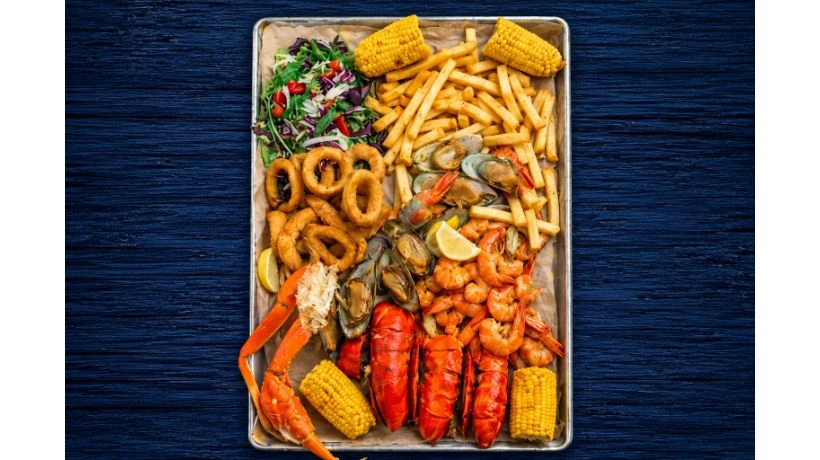
Seafood boils have roots that trace back to the Gulf Coast, particularly Louisiana, where crawfish boils have been a community tradition for generations. Cajun and Creole cooking traditions shaped a lot of what we now recognize
There's something about pulling seafood boil up a chair, rolling up your sleeves, and digging into a pile of shrimp, crab, and corn with your bare hands that just hits different. A Seafood Boil isn't just a meal it's an event, a conversation starter, and honestly, the best excuse to get messy with good food and good people. Whether you're hosting your first backyard boil or you've been doing this for years, brands like Mermaid Boil have helped bring this tradition to a whole new audience who didn't grow up with it but instantly fell in love. In this guide, we're breaking down everything you need to know about seafood boils where they came from, what goes into one, and how to actually pull one off without standing over a pot for three hours wondering if you did it right.
What Exactly Is a Seafood Boil?
At its core, a is exactly what it sounds like: a mix of seafood (usually shrimp, crab, crawfish, or a combination) boiled together in a heavily seasoned broth, along with vegetables like corn, potatoes, and sometimes sausage. Everything cooks together in one big pot, soaking up all that spice and flavor, and then gets dumped out onto a table covered in newspaper or butcher paper for everyone to dig in together.
It's not fancy. There's no plating, no fine dining etiquette, no need to worry about which fork to use. You eat with your hands, you get a little messy, and that's the whole point. It's a meal built around the experience as much as the food itself.
Where Did the Seafood Boil Tradition Come From?
Seafood boils have roots that trace back to the Gulf Coast, particularly Louisiana, where crawfish boils have been a community tradition for generations. Cajun and Creole cooking traditions shaped a lot of what we now recognize as the "classic" seafood boil the heavy use of spice blends, the communal style of eating, and the idea that food is meant to be shared, not just consumed.
Over time, the tradition spread and evolved. Different regions added their own twist some leaning more into Old Bay seasoning for an East Coast feel, others incorporating Asian-inspired spice blends with garlic butter and lemongrass. What started as a regional Southern tradition has become something people all over the country (and beyond) now plan parties around.
What Usually Goes Into a Seafood Boil
While every recipe and region has its own variation, most seafood boils follow a similar base structure. Here's what you'll typically find in the pot:
-
Shrimp – usually the star of the show, easy to cook and quick to absorb flavor
-
Crab legs or whole crab – adds a richer, sweeter seafood flavor
-
Crawfish – a Southern staple, though not always available everywhere
-
Corn on the cob – cut into smaller pieces so it cooks evenly and is easy to grab
-
Baby potatoes – they soak up the broth beautifully and add some heartiness to the meal
-
Sausage – usually andouille or a smoked sausage, sliced into rounds
-
Garlic, onion, and lemon – for the base of the broth
-
Cajun or Old Bay seasoning – this is where most of the flavor magic happens
Some people also throw in mussels, clams, or even hard-boiled eggs, depending on personal preference. There's really no strict rule here — it's about building a flavor base that works for you and your guests.
Choosing the Right Seafood for Your Boil
If you're putting together your own boil, the seafood you choose matters more than people think. A few things worth keeping in mind:
-
Freshness is everything. Frozen seafood works fine in a pinch, but fresh seafood will always give you better texture and flavor.
-
Size matters for cook time. Larger shrimp and crab legs need a bit more time in the pot, while smaller shrimp can overcook quickly if you're not paying attention.
-
Mix textures. Combining shellfish like crab and shrimp with something like sausage gives the meal more variety in both flavor and texture.
-
Don't overcrowd the pot. If you add too much seafood at once, the broth temperature drops and everything cooks unevenly.
This is also where a lot of people start looking at prepared seafood boil kits instead of building everything from scratch. Brands that specialize in this — including Mermaid Boil — have made it a lot easier for people to enjoy a proper boil without sourcing a dozen separate ingredients or guessing on seasoning ratios.
How to Host a Seafood Boil at Home
Hosting your own seafood boil doesn't require professional equipment, but a little planning goes a long way. Here's a simple breakdown:
-
Pick your seafood and sides – decide what's going into the pot ahead of time so you're not scrambling last minute.
-
Prep your seasoning broth – this is the foundation of the whole meal, so don't rush it. Let it simmer long enough to build flavor before adding the seafood.
-
Cook in stages – potatoes and corn usually need more time, so they go in first. Seafood goes in last since it cooks fast and can turn rubbery if left too long.
-
Drain and dump – once everything's cooked, drain the pot and dump the contents onto a table lined with paper. This is half the fun.
-
Set up dipping sauces – garlic butter, cocktail sauce, or a spicy aioli all work well alongside the boil.
-
Don't forget napkins (a lot of them) – this meal gets messy, and that's part of the charm.
Tips for Getting Your Seafood Boil Just Right
A few small details can make a big difference in how your boil turns out:
-
Let the seafood soak in the seasoned broth for a few minutes after cooking instead of draining immediately — it helps the flavor really sink in.
-
Taste your broth before adding the seafood. If it's not flavorful enough on its own, the seafood won't taste like much either.
-
Have extra seasoning on hand in case people want it spicier.
-
Serve with cold drinks — the spice level on most seafood boils tends to build up fast.
-
If you're feeding a crowd, consider a pre-packaged option to cut down on prep time without sacrificing flavor.
Mistakes People Make With Seafood Boils
Even experienced home cooks run into a few common issues:
-
Overcooking the seafood – shrimp especially can go from perfect to rubbery in under a minute.
-
Underseasoning the broth – this is the most common mistake. The broth needs to be aggressively flavorful since it's doing most of the work.
-
Not prepping sides in advance – cutting corn and potatoes while the broth is already boiling leads to uneven cook times.
-
Skipping the resting step – pulling everything out the second it's done means missing out on extra flavor absorption.
Why a Seafood Boil Is the Perfect Group Meal
There's a reason seafood boils have stuck around as a go-to for parties, family gatherings, and casual get-togethers. They're built for sharing. There's no individual plating, no one person stuck doing all the cooking while everyone else waits everything comes together at once, and people serve themselves straight from the table.
It's also naturally social. Cracking open crab legs or peeling shrimp takes a little effort, which slows everyone down just enough to actually talk, laugh, and enjoy the moment instead of rushing through dinner.
Final Thoughts
At the end of the day, a seafood boil is less about following a strict recipe and more about creating an experience people remember. Whether you're building one from scratch with fresh ingredients or going with a trusted option like Mermaid Boil to take the guesswork out of seasoning and prep, the goal stays the same good food, shared with good people, without any unnecessary fuss. Once you get the hang of it, it's hard not to make it a regular tradition.


Comments
Login to Comment