Pest Control Compliance Tips for Restaurants
22 Jun, 2026
1282 Views 0 Like(s)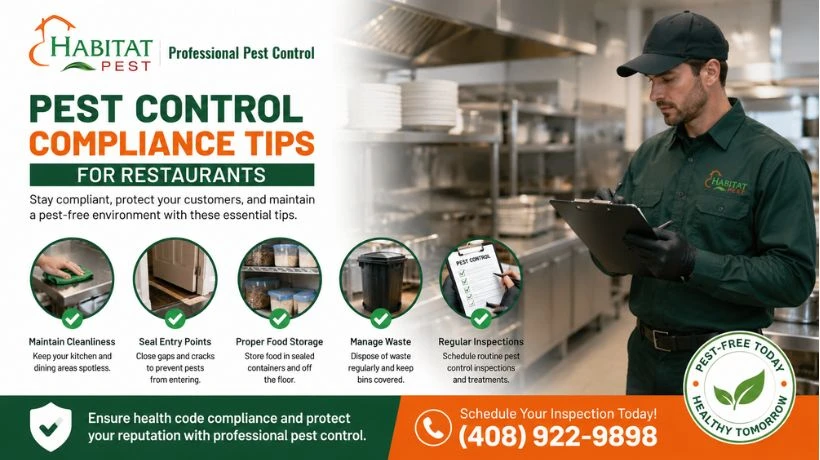
A single dead roach found during a health inspection can shut a restaurant down for the day. That's not an exaggeration; it's exactly how seriously health departments treat pest sightings in food service settings. Restaurant owners looking for Ant control services in Mountain View usually call after spotting a trail near the dish pit, but waiting until ants show up is already too late for true compliance.
A single dead roach found during a health inspection can shut a restaurant down for the day. That's not an exaggeration; it's exactly how seriously health departments treat pest sightings in food service settings. Restaurant owners looking for Ant control services in Mountain View usually call after spotting a trail near the dish pit, but waiting until ants show up is already too late for true compliance.
Why Pest Control Is A Legal Requirement, Not A Choice
Most states base their health codes on the FDA Food Code, and pest management sits at the center of it. The code requires restaurants to keep insects, rodents, and other pests completely out of food prep areas, since these creatures carry pathogens like Salmonella and E. coli on their bodies. A single fly landing on a prep surface counts as a contamination risk in the eyes of an inspector.
Violations get sorted into three categories during an inspection. Priority violations connect directly to foodborne illness risk, Priority Foundation violations involve the systems meant to prevent those risks, and Core violations cover general sanitation issues. Pest sightings almost always fall into the first two categories, which means they carry real weight on your inspection score and can trigger an unscheduled follow-up visit.
Common Pest Violations Inspectors Actually Cite
Inspectors don't need to see a live insect to write a citation. Dried insect carcasses, rodent droppings, gnaw marks on packaging, or even greasy smudge marks along baseboards count as evidence of pest activity. A restaurant doesn't need an active infestation to fail this part of an inspection; signs of past activity are enough.
Here's what inspectors typically flag during a routine visit:
• Live insects or rodents anywhere in the building, including storage areas
• Pest droppings near food prep zones or storage shelves
• Chewed packaging on dry goods or bulk ingredients
• Gaps around doors, pipes, or vents that allow pests entry
• Standing water or grease buildup that attracts insects
Catching these signs early through routine staff checks saves a restaurant from a failed inspection and the reputation damage that follows it.
Building A Documented Pest Management Plan
Health inspectors expect more than clean floors now; they want proof of an ongoing system. A documented Integrated Pest Management plan shows that your restaurant actively monitors, prevents, and treats pest issues instead of reacting only after a problem appears. This usually means service logs, treatment records, and monitoring station placement maps kept on file.
A solid HACCP-based approach breaks the process into clear steps. First, identify where pests are most likely to enter or hide. Second, set monitoring points like sticky traps or bait stations in those locations. Third, establish a response plan for what happens if the activity gets detected, including who calls the exterminator and how quickly treatment needs to happen.
Restaurants partnering with the best ant pest control in San Jose providers often get help building this documentation from scratch, since most pest companies already know what local health departments expect to see during an audit.
Storage Practices That Prevent Pest Problems
Food storage rules exist for more than freshness; they also directly reduce pest attraction too. All food needs to sit in commercial-grade containers, kept at least six inches off the floor and away from walls. This gap matters because it lets staff spot pest activity early and stops insects from using stacked boxes as a hiding spot.
Dry storage areas deserve extra attention since they attract pantry pests like beetles and moths just as easily as ants or rodents. Rotating stock regularly, sealing opened bags tightly, and cleaning up spilled grains immediately all reduce the food sources that keep pests coming back. A restaurant that ignores dry storage often deals with repeat infestations, no matter how many times they call for treatment.
Training Staff To Spot Problems Early
Pest control works best when an entire team watches for warning signs, not just the manager. Quick daily checks during opening and closing shifts catch issues long before they grow into a full infestation that triggers a failed inspection. Staff should know what droppings look like, where pests typically hide, and who to alert immediately if they spot something.
A short training session covering basic pest signs costs almost nothing compared to the fines or closure that come from a failed health inspection. Restaurants that build this habit into daily routines tend to pass inspections with far fewer citations overall.
Working With Shared Buildings And Strip Malls
Restaurants located in shared buildings face a unique challenge that solo properties don't deal with. A neighboring tenant without their own pest program can undo all the work a compliant restaurant puts into prevention, since pests travel easily through shared walls, vents, and utility lines. Health codes don't always address this gap clearly, leaving the food business to carry most of the responsibility anyway.
Coordinating with property management or neighboring tenants about shared pest pressure can prevent a lot of frustration down the road. Restaurants dealing with persistent ant trails despite their own clean kitchen often discover the source actually comes from a neighboring unit, which is exactly why professional inspection matters more than guessing.
Choosing The Right Pest Control Partner
Not every pest company understands food service regulations the same way. A provider experienced specifically in restaurant compliance will know which treatments are safe near food prep zones and which chemicals violate FDA guidelines entirely. Asking about FSMA awareness or food safety certifications before hiring anyone saves a lot of trouble later.
Restaurants searching for Ant control companies in Mountain View should ask directly about documentation practices, since proper paperwork matters just as much as the actual treatment during an inspection. A good provider hands over clear, dated records every visit, not vague notes scribbled on a receipt.
Start a Year-Round Pest Prevention Plan
Waiting for a scheduled inspection date to clean up pest issues almost always backfires, since most violations get cited the moment an inspector walks through the door unannounced. Building a year-round prevention habit, paired with a reliable best ant pest control partner in San Jose, keeps a restaurant consistently ready instead of scrambling before every visit.
Restaurants that treat pest control as an ongoing system rather than a once-a-year task tend to score higher across every inspection category, not just the pest-related ones. Clean storage, sealed entry points, and documented monitoring all work together to keep a kitchen genuinely safe.

Comments
Login to Comment