Effective Parasite Treatments for Common Infections
22 Oct, 2026
6 Views 0 Like(s)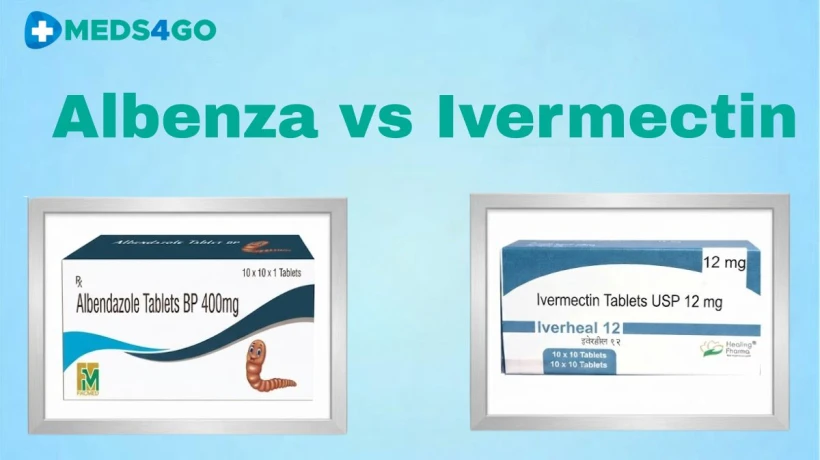
Parasitic infections can affect the digestive system, skin, blood, or other parts of the body. The right treatment depends on the type of parasite involved, where the infection occurs, and the person’s age and health
Parasitic infections can affect the digestive system, skin, blood, or other parts of the body. The right treatment depends on the type of parasite involved, where the infection occurs, and the person’s age and health. Medicines such as ivermectin and antiparasitic drugs may be used for specific infections, but they are not interchangeable treatments for every parasite.
Understanding Parasitic Infections
Parasites include worms and other organisms that can live in or on the human body. Common intestinal worm infections include roundworm, hookworm, whipworm, and certain tapeworm infections. Symptoms may include abdominal discomfort, diarrhea, nausea, tiredness, itching, or unexplained weight changes, although some infections cause few or no symptoms.
Testing can sometimes be necessary to identify the parasite before treatment is selected.
Ivermectin 12 mg
Ivermectin 12 mg is an antiparasitic medicine used for particular parasitic infections. Depending on the infection, ivermectin may be prescribed for conditions such as strongyloidiasis and certain other parasite-related conditions.
The appropriate dose and treatment schedule depend on the infection and individual factors. Ivermectin should not simply be taken as a general-purpose dewormer, particularly when the specific parasite has not been identified.
Fenbendazole 500 mg
Fenbendazole 500 mg is primarily a veterinary antiparasitic medicine used to treat certain intestinal worms in animals. It is important not to confuse veterinary fenbendazole with human-approved antiparasitic treatments.
People should not use veterinary medicines for self-treatment unless specifically instructed by a qualified healthcare professional. Human parasite infections require treatments that have been evaluated and approved for the particular condition.
Other Treatments for Parasites
Different parasites require different medicines. For example, some intestinal worm infections may be treated with medicines such as albendazole or mebendazole, while other infections require completely different therapies. The choice depends on the parasite identified and local treatment recommendations.
Using the wrong medicine may fail to clear an infection and, in some cases, can delay appropriate care.
Why Correct Diagnosis Matters
Not every digestive problem is caused by parasites. Similar symptoms can occur with bacterial infections, food intolerance, inflammatory conditions, and other illnesses. A healthcare professional may recommend stool testing, blood tests, or other investigations when appropriate.
Pregnant people, young children, older adults, and individuals taking multiple medicines should receive professional advice before using antiparasitic medication.
Preventing Parasitic Infections
Prevention is an important part of parasite care. Simple everyday habits can reduce exposure to certain parasites and lower the chance of reinfection.
-
Wash hands thoroughly with soap after using the toilet and before preparing or eating food.
-
Wash fruits and vegetables carefully before eating them.
-
Drink safe water, particularly when travelling or visiting areas with limited sanitation.
-
Cook meat and fish thoroughly according to food-safety guidance.
-
Wear footwear in areas where contaminated soil may be present.
-
Follow appropriate hygiene practices when handling animal waste.
-
Follow local public-health guidance for parasite prevention and testing.
These measures cannot prevent every parasitic infection, but they can help reduce several common routes of exposure.
Choosing the Right Parasite Treatment
Selecting an effective parasite treatment begins with understanding which organism is causing the infection. Ivermectin 12 mg may be appropriate for certain diagnosed conditions, while medicines such as albendazole or mebendazole are used for specific intestinal worm infections. Fenbendazole 500 mg, meanwhile, is primarily associated with veterinary use and should not be used for self-treatment in humans.
Rather than choosing a medicine based only on its strength, popularity, or online claims, people should consider the diagnosis, medicine quality, potential side effects, and professional recommendations.
Final Thoughts
Effective parasite treatment starts with identifying the infection and selecting an appropriate medicine. Ivermectin 12 mg has specific medical uses, while fenbendazole 500 mg is primarily a veterinary product and should not be used as a substitute for approved human treatments. Professional



Comments
Login to Comment