Reptile Thermometers Guide : How to Monitor Temperature and Humidity
22 Oct, 2026
9 Views 0 Like(s)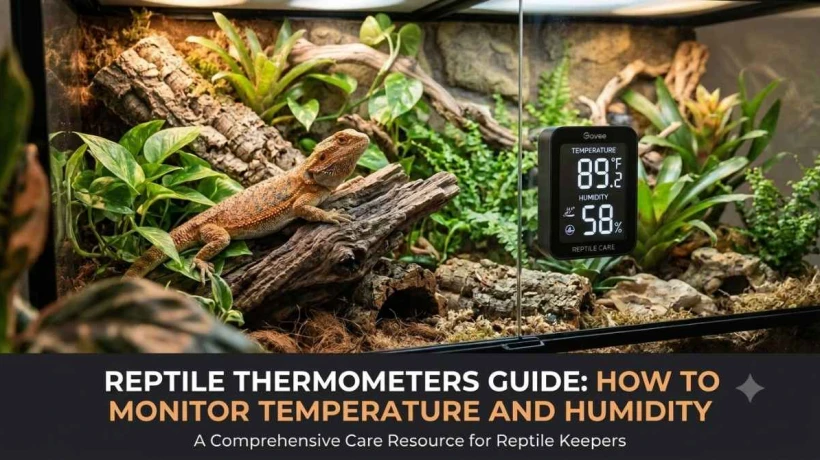
Learn how to monitor reptile temperature and humidity with the right thermometer and hygrometer. Keep your reptile’s habitat safe and comfortable.
Maintaining the correct temperature and humidity is essential for keeping pet reptiles healthy and comfortable. Reptile thermometers help owners measure enclosure temperatures, identify hot and cool areas, and make informed adjustments to heating equipment. A separate humidity gauge can help monitor moisture levels when the species requires specific humidity conditions.
Whether you keep a bearded dragon, leopard gecko, snake, or turtle, choosing the right monitoring equipment can make daily reptile care easier. This guide explains how to select reptile thermometers, measure humidity, and explore Zoo Med products for reptile habitats.
Why Are Reptile Thermometers Important?
Reptile thermometers measure the temperature inside an enclosure so owners can check whether the habitat meets the animal's needs. Reptiles are ectothermic, meaning they rely on external heat sources to regulate their body temperature.
Without accurate temperature readings, an enclosure may become too hot or too cold. Incorrect temperatures can affect activity, digestion, feeding, and other normal functions.
A suitable thermometer for reptiles helps you:
- Monitor basking temperatures and cooler areas.
- Check whether heating equipment works correctly.
- Identify temperature changes during the day.
- Adjust the habitat according to species-specific care requirements.
- Reduce the risk of overheating or inadequate heating.
Many reptiles need a temperature gradient, which means different areas of the enclosure have different temperatures. This allows the animal to move between warmer and cooler locations as needed.
What Is the Difference Between Temperature and Humidity?
Temperature measures how hot or cold the enclosure is, while humidity measures the amount of water vapor in the air. Both affect reptile habitat conditions, but they require different measurements.
A thermometer measures temperature, usually in degrees Fahrenheit or Celsius. A hygrometer measures relative humidity, expressed as a percentage. Some digital monitoring devices combine both functions.
For example, a species that needs a relatively dry enclosure may require a different humidity setup from a tropical reptile that needs higher moisture levels. However, excessive humidity can also create problems if ventilation and substrate conditions are unsuitable.
Before purchasing monitoring equipment, identify the recommended temperature and humidity ranges for your reptile's species, age, and enclosure type.
How Do You Choose the Best Reptile Thermometers?
The best reptile thermometers are easy to read, suitable for the enclosure, and accurate enough to help you monitor the required temperature range. Your choice should depend on where you need to measure temperature and how closely you need to track changes.
Digital Thermometers
Digital reptile thermometers display readings on an electronic screen and may use a probe to measure temperature at a specific location. Some models offer minimum and maximum readings, allowing owners to see temperature changes between checks.
Digital models are useful when you need to monitor a basking area, cooler zone, or another specific location. Follow the manufacturer's instructions for probe placement and cleaning.
Analog Thermometers
Analog thermometers use a physical scale to display temperature. They can be simple to read and do not require batteries, depending on the design.
However, readability and measurement performance vary by product. Check the manufacturer's specifications and compare readings with a reliable reference thermometer when appropriate.
Infrared Thermometers
Infrared thermometers measure surface temperature without touching the object. They can help check basking platforms, rocks, and other surfaces where a reptile rests.
An infrared thermometer measures the surface it is pointed at, not the air temperature throughout the enclosure. Use it alongside a suitable air-temperature thermometer when monitoring a temperature gradient.
Thermometers With Humidity Gauges
Combination devices measure both temperature and relative humidity. They can help owners monitor two important habitat conditions from one display.
Check whether the device measures conditions at the sensor's location and whether the humidity range suits your reptile's requirements. A single reading may not represent every part of a large enclosure.
How Should You Position a Thermometer for Reptiles?
A thermometer for reptiles should be positioned where it measures the environmental condition you want to monitor. Many enclosures require readings from more than one location because the basking area and cooler end can have different temperatures.
Follow these general steps:
- Place a suitable sensor near the basking area without exposing it to unsafe direct heat.
- Monitor the cooler end of the enclosure separately.
- Use an infrared thermometer when checking the surface temperature of basking platforms.
- Position humidity sensors according to the manufacturer's instructions and your species' care requirements.
- Secure probes and cables so your reptile cannot chew, pull, or become entangled in them.
Do not rely on a single thermometer placed in an arbitrary location. A correct reading at one point does not prove that the entire enclosure has suitable temperatures.
How Can You Monitor Reptile Humidity Correctly?
A hygrometer measures relative humidity and helps you determine whether the enclosure's moisture level is suitable for your reptile. The correct humidity range varies by species and may change with shedding, age, habitat design, and seasonal conditions.
To monitor humidity effectively, position the sensor where it represents the area you need to assess. In some habitats, monitoring more than one area may help reveal differences between a moist hide and the general enclosure.
Avoid increasing humidity simply because your reptile appears to need more moisture. Check ventilation, substrate, water sources, and species-specific guidance before making changes.
For reptiles that need a humid hide, a hygrometer can help you monitor the general enclosure while you maintain the hide according to the animal's care requirements.
Are Zoo Med Products Good for Reptile Temperature Monitoring?
Zoo Med is a brand that makes reptile care products, including equipment used for habitat temperature and humidity monitoring. Its suitability depends on the specific product, its features, and whether it meets your reptile's needs.
When comparing Zoo Med products for reptile care, review the product description, measurement range, display type, sensor design, and installation requirements. These details are more useful than choosing a product based on its brand name alone.
If you are asking, "Is Zoo Med a good brand?", consider whether the product provides the monitoring functions you need, is compatible with your enclosure, and has clear instructions for use.
Before buying Zoo Med products, compare the following :
- Temperature measurement range.
- Whether the product measures air or surface temperature.
- Whether humidity measurement is included.
- Probe placement and mounting options.
- Display readability and power requirements.
- Product-specific instructions and limitations.
Zoo Med products may suit some reptile setups, but no single thermometer or monitoring device is ideal for every species and enclosure. Check the specifications of the individual product before purchasing.
What Are Common Temperature and Humidity Monitoring Mistakes?
Common mistakes include measuring only one area, confusing surface temperature with air temperature, and ignoring humidity requirements. These errors can make an enclosure appear suitable even when some areas fall outside the recommended range.
Avoid these problems by :
- Checking both warm and cool areas.
- Using an infrared thermometer for surface readings when needed.
- Using a separate hygrometer or combination device to measure humidity.
- Checking readings after changing bulbs, fixtures, or enclosure layouts.
- Following species-specific temperature and humidity guidance.
- Replacing batteries or damaged sensors according to manufacturer instructions.
For example, changing a heat lamp may increase the basking surface temperature while leaving the cooler side largely unchanged. Measuring both areas helps you determine whether the entire setup remains suitable.
Where Can You Buy Reptile Thermometers and Monitoring Supplies?
Choosing the right monitoring equipment starts with understanding your reptile's environmental needs. Look for reptile thermometers, humidity gauges, and related equipment that provide the measurements you need and can be installed safely.
You can explore the Kwik Pets Reptile Foggers & Humidifiers collection to review available habitat monitoring and humidity-related products. Check individual product descriptions to confirm their functions, compatibility, and measurement features before buying.
Frequently Asked Questions About Reptile Thermometers
1. What is the best thermometer for reptiles?
The best thermometer for reptiles depends on your pet's species and enclosure setup. Digital probe thermometers help monitor specific locations, while infrared thermometers measure the surface temperature of basking platforms and other objects.
2. Do reptile thermometers measure humidity too?
Standard reptile thermometers measure temperature only. A combination thermometer and hygrometer measures both temperature and relative humidity, helping you monitor your reptile's habitat conditions.
3. Is Zoo Med a good brand for reptile thermometers?
Zoo Med offers reptile care products, including temperature and humidity monitoring equipment. Compare the features, measurement range, and installation requirements of individual Zoo Med products to determine whether they suit your reptile's needs.
4. Where should I place a thermometer in a reptile enclosure?
Place thermometers or probes where you need to measure temperature, including the warm basking area and the cooler side of the enclosure. Use an infrared thermometer to check surface temperatures and suitable probes to monitor localized air temperatures.
5. How often should I check reptile temperature and humidity?
Check temperature and humidity readings daily and whenever you change heating equipment, lighting, or enclosure arrangements. Follow species-specific care recommendations to maintain suitable environmental conditions for your reptile.


Comments
Login to Comment