Can a Beard Transplant Fix Patchy Facial Hair?
22 Oct, 2026
6 Views 0 Like(s)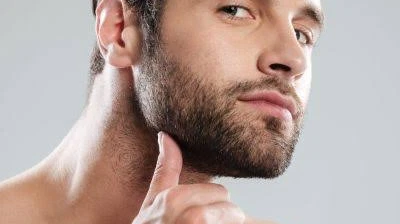
A Beard Hair Transplant in Dubai can help suitable candidates fill sparse areas by transferring healthy hair follicles into parts of the face where beard growth is limited.
Patchy facial hair can make it difficult to achieve a full, even beard, especially when certain areas grow less hair than others. Genetics, hormonal factors, scarring, and individual hair growth patterns can all contribute to uneven beard coverage. A Beard Hair Transplant in Dubai can help suitable candidates fill sparse areas by transferring healthy hair follicles into parts of the face where beard growth is limited. The procedure is planned around the patient's facial structure, existing hair, and preferred beard style. However, results depend on the cause of patchiness, donor hair availability, and individual healing.
Understanding Patchy Facial Hair
Patchy facial hair refers to areas where beard growth is thinner, uneven, or completely absent. Some people develop thick hair on the chin and upper lip but have sparse growth on the cheeks or jawline. Others may notice gaps between different sections of the beard. These patterns can be influenced by genetics, age, hormones, and the natural distribution of hair follicles. In some cases, patchiness is simply a normal variation in beard growth, while sudden hair loss may indicate an underlying medical condition. Identifying the cause is important before choosing a treatment because not every type of patchy beard requires surgery.
How a Beard Transplant Helps Fill Gaps
A beard transplant works by relocating healthy hair follicles from a donor area, commonly the back or sides of the scalp, to the sparse areas of the face. The surgeon places the follicles into carefully planned sites that follow the natural direction and angle of facial hair. This allows the transplanted hairs to grow within the previously patchy areas over time. The procedure may be used to improve cheek coverage, fill gaps along the jawline, add definition to the chin, or connect sections of a moustache and beard. The treatment plan depends on the size of the gaps and the patient's desired appearance.
Common Causes of an Uneven Beard
Several factors can contribute to patchy beard growth. Genetics often determines where facial hair develops and how dense it becomes. Some people naturally have fewer follicles in particular areas, while others experience slower or less uniform growth. Hormonal conditions and certain medical issues may also affect facial hair development. Scarring from injuries, burns, or previous procedures can prevent hair from growing in affected skin. Another possible cause is alopecia areata, an autoimmune condition that can produce smooth, round patches of hair loss. A sudden or unexplained change in beard growth should be assessed by a healthcare professional before considering a transplant.
Who Is a Good Candidate for Beard Transplant Surgery?
People with stable areas of sparse or absent facial hair may be suitable candidates for a beard transplant. A specialist will assess the pattern of patchiness, the quality and quantity of donor hair, the condition of the facial skin, and the patient's overall health. Candidates should have realistic expectations about the density that can be achieved and understand that available donor follicles are limited. If patchiness is caused by an active skin condition or ongoing hair-loss disorder, the underlying issue may need evaluation and treatment first. A consultation helps determine whether transplantation is appropriate or whether another approach would be more suitable.
Can a Beard Transplant Treat Small Bare Patches?
Yes, a beard transplant may be suitable for filling small bare patches when the surrounding skin is healthy and the cause of hair loss has been assessed. The surgeon can place selected grafts within the affected areas to improve coverage and blend them with existing facial hair. The number of grafts required depends on the size of each patch, the density of nearby hair, and the desired result. Small treatment areas may require fewer grafts than a full beard restoration. However, the outcome cannot be guaranteed, and graft survival may vary from one person to another.
Can It Improve Thin Cheeks and Jawline Coverage?
A beard transplant may help people who have naturally thin growth on the cheeks or along the jawline. During treatment planning, the specialist considers the existing hair pattern and designs a beard outline that complements the patient's facial proportions. The transplanted follicles are positioned carefully to match the direction of nearby hairs. This is particularly important on the cheeks, where hair often grows at a flatter angle, and around the jawline, where the growth pattern can change. The aim is to improve coverage while maintaining a natural appearance rather than creating an unnaturally dense or sharply defined beard.
How the Beard Transplant Procedure Works
The procedure typically begins with a consultation and beard design, followed by preparation of the donor and recipient areas. Local anaesthesia is commonly used to reduce discomfort. With follicular unit extraction, or FUE, individual hair follicles are removed from the donor area and prepared for placement. The surgeon then creates small recipient sites in the patchy areas and implants the grafts according to the planned angle, direction, and distribution. The procedure may take several hours, depending on the number of grafts and the size of the treatment area. Afterward, patients receive instructions on protecting the grafts and caring for the skin during recovery.
How Many Grafts Are Needed to Fix Patchy Facial Hair?
The number of grafts required varies considerably. A few small gaps may need relatively few grafts, while sparse coverage across both cheeks, the chin, and the jawline may require a larger number. The surgeon considers the size of the treatment area, existing beard density, donor hair availability, and the desired result when estimating graft requirements. More grafts do not automatically mean a better outcome because they must be distributed appropriately to create a natural pattern. An in-person assessment is the best way to obtain an individual estimate and understand the limits of the available donor hair.
How Long Does It Take to See Results?
Beard transplant results develop gradually. During the early healing period, the treated skin may appear red or swollen, and small scabs can form around the implanted follicles. Some transplanted hairs may shed in the first few weeks, which is often a normal stage of the growth cycle. New growth typically becomes noticeable over the following months, with coverage and texture continuing to develop. Many people assess their results around nine to twelve months, although individual timelines differ. Regular follow-up with the treating specialist helps monitor healing and growth and provides an opportunity to discuss any concerns.
Is a Beard Transplant a Permanent Solution?
Transplanted follicles can provide long-lasting beard growth, but individual results vary. The follicles are usually taken from a donor area selected for its suitability, and once established, they may continue producing hair in the recipient area. However, not every graft survives, and the final density may differ from the original plan. The appearance can also be affected by changes in surrounding natural hair, skin healing, and individual hair characteristics. A transplant does not treat every possible cause of facial hair loss, so the underlying reason for patchiness should be evaluated before surgery.
Alternatives to a Beard Transplant
Surgery is not always the first or only option for patchy facial hair. If the beard is still developing, allowing more time for natural growth may be appropriate. Some people choose to adjust their beard style to make gaps less noticeable. If a medical condition is causing hair loss, a clinician may recommend investigating and treating that condition before considering cosmetic surgery. Medicines or topical treatments should only be used when appropriate for the individual and after professional advice. A dermatologist can assess sudden, inflamed, itchy, or sharply defined patches to determine whether they require medical treatment rather than transplantation.
Recovery and Aftercare for Better Healing
Following a beard transplant, proper aftercare helps protect the newly implanted follicles while the skin heals. Patients should follow the clinic's instructions for washing the face, sleeping, and avoiding pressure or friction around the grafts. Scratching, rubbing, or pulling off scabs may interfere with healing. Strenuous exercise and activities that cause excessive sweating may need to be restricted temporarily. The donor area also requires care according to the surgeon's advice. Mild redness, swelling, and tenderness may occur, but worsening pain, spreading redness, pus, or fever should prompt medical attention. Your surgeon will advise when normal activities can safely resume.
Choosing the Right Beard Transplant Specialist
Selecting a qualified medical professional is important when considering facial hair restoration. Beard transplantation requires an understanding of facial hair growth angles, graft placement, donor-area management, and facial proportions. During the consultation, ask about the surgeon's experience with beard procedures, the proposed technique, potential complications, expected recovery, and follow-up care. Reviewing appropriate before-and-after photographs may help you understand the range of outcomes, although individual results are different. A responsible specialist should explain the limitations of surgery and avoid guaranteeing a particular density or appearance.
Conclusion
A beard transplant can help fix patchy facial hair by transferring healthy follicles into areas where beard growth is thin or absent. It may improve small bare spots, sparse cheeks, gaps along the jawline, and uneven coverage in other parts of the beard. The suitability of treatment depends on the cause of patchiness, the condition of the skin, donor hair availability, and realistic expectations. Because results take several months to develop, patients should understand the procedure, recovery process, and potential risks before making a decision. A consultation with a qualified specialist can help determine whether a beard transplant is an appropriate option.
Frequently Asked Questions
Can a beard transplant completely remove all patchy areas?
A beard transplant can improve coverage in many patchy areas, but complete coverage cannot be guaranteed. The outcome depends on the number of available donor follicles, the size of the affected area, graft survival, and individual hair growth. Your surgeon can estimate what may be achievable after examining your facial hair and donor area.
Can I get a beard transplant if I have no beard growth on my cheeks?
People with little or no cheek beard growth may still be candidates if they have suitable donor hair and healthy recipient skin. The specialist will assess the cause of limited growth and determine whether enough follicles are available to create the desired coverage. The final density will depend on your individual circumstances and treatment plan.
Does a beard transplant leave visible scars?
FUE usually leaves small extraction marks in the donor area, and tiny scabs may develop around implanted follicles during healing. How noticeable any marks become depends on the technique, the number of grafts, and individual healing. No procedure can guarantee scar-free results, so discuss the risks with your surgeon before treatment.
Is a beard transplant painful?
Local anaesthesia is commonly used during the procedure to minimise pain. You may feel pressure or mild discomfort, and some tenderness or swelling can occur afterward. Experiences vary, so follow the clinic's aftercare advice and contact your treating team if pain becomes severe or worsens.
How long do beard transplant results last?
Transplanted follicles can produce long-lasting hair growth, but the final result varies between patients. Some hairs may shed initially before new growth develops over the following months. Graft survival, donor hair characteristics, and the underlying cause of patchiness can all influence the outcome. Your specialist can explain the likely long-term expectations.
Should I treat the cause of patchy beard growth before surgery?
Yes, the cause should be assessed before proceeding. Sudden hair loss, round bald patches, itching, scaling, or inflammation may indicate a medical condition that needs attention first. Treating an underlying problem may change the treatment options and help avoid surgery that is unlikely to address the cause.


Comments
Login to Comment